← Journal/18 May 2026·4 min de lecture
CBD lemon curd: homemade recipe, dosage and precautions
Par The Phytogrammes team ·
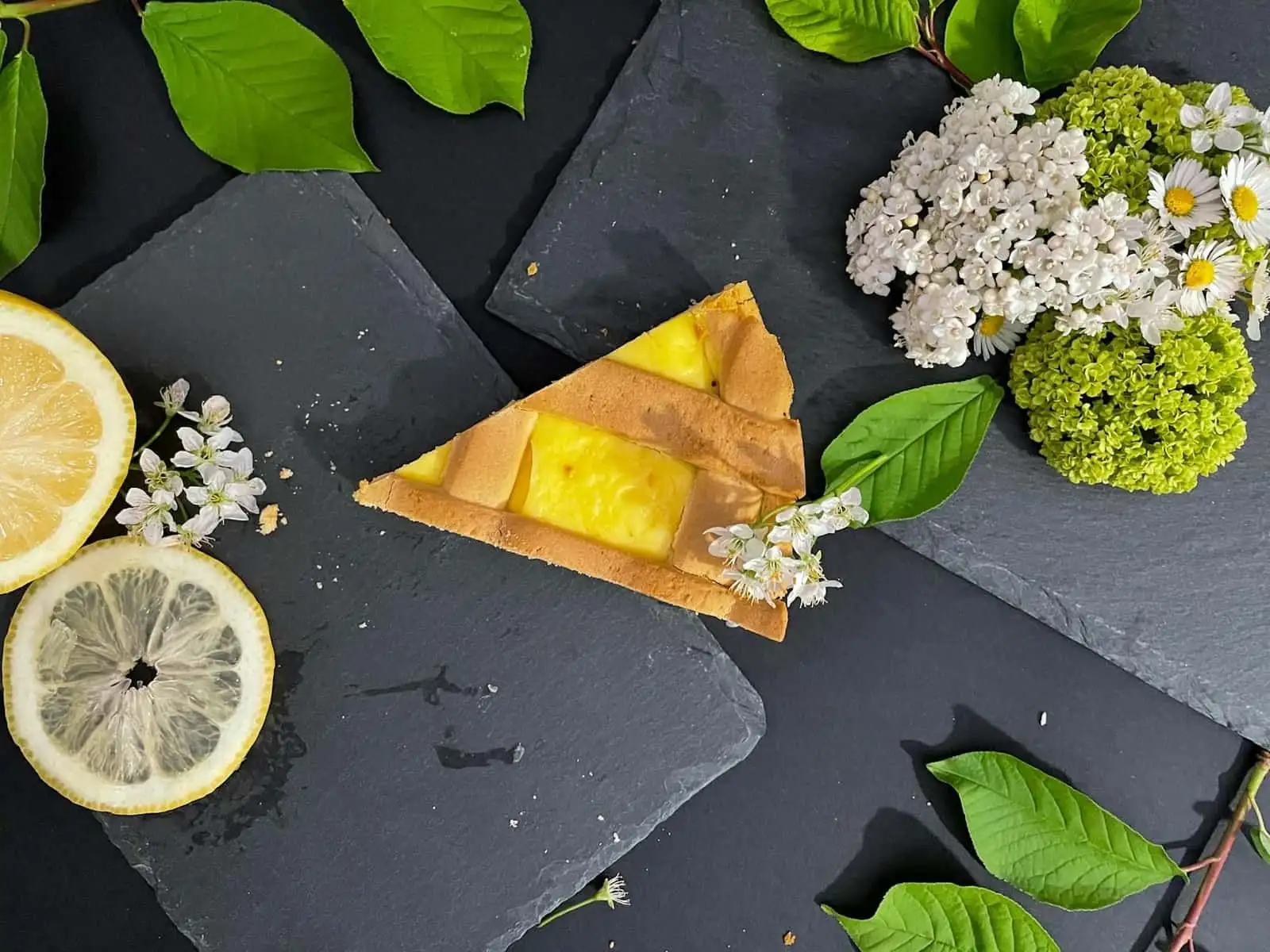
Lemon curd is a silky lemon cream that takes 15 minutes to prepare in a bain-marie. Folding in a few drops of CBD oil, off the heat, gives a tart winter dessert for strictly personal use — never for sale, since CBD food preparations have been withdrawn from the market by the DGAL since 15 May 2026.
A regulatory note to read first
Since 15 May 2026, the DGAL has been strictly applying EU regulation 2015/2283 on novel foods. All CBD preparations intended for ingestion — oils sold as supplements, gummies, infusions, infused jams — are withdrawn from the market for as long as they lack European authorisation. This recipe therefore describes personal use from a CBD oil you hold for other reasons, never intended for sale nor to be offered to uninformed third parties.
Why this recipe in winter
Lemons, in full season from November to March, bring the tart note that livens up a grey meal. Lemon curd keeps for a week in the refrigerator, which makes it a dessert prepared on Sunday and returned to by the spoonful all week. It is also a versatile base: on toast, as a filling for a shortcrust tart, or alongside a plain yoghurt.
The recipe, for 6 portions of about 60 g
For the curd: 180 ml fresh lemon juice, roughly 3 to 4 lemons, 150 g caster sugar, 3 whole eggs, 110 g unsalted butter cut into cubes, the finely grated zest of one unwaxed lemon, a pinch of fleur de sel, and a quantity of CBD oil adjusted to your personal use.
Fill a saucepan with 3 cm of water and bring it to a simmer, without a vigorous boil. In a heatproof bowl, whisk together the lemon juice, zest, sugar, eggs and salt. Set the bowl over the saucepan without letting the water touch the base, and whisk without stopping for 8 to 12 minutes, until the cream coats the back of a spoon. Take it off the heat, fold in the butter cube by cube, then, once the mixture has cooled to around 50-55 °C, whisk in the CBD oil for an even dispersion. Cover with cling film pressed onto the surface, leave to cool, then keep refrigerated.
The question of dosage
If you fold in 6 ml of a 5% CBD oil, that is 50 mg per ml, you are adding roughly 300 mg of CBD across 6 portions, or 50 mg per portion. That dose far exceeds the provisionally safe daily dose published by the EFSA on 9 February 2026, set at around 2 mg a day for a 70 kg adult. A more cautious portion would mean using 1 to 2 ml of a lightly dosed oil across the whole recipe, and eating only a teaspoonful of it.
Variations and storage
The lemon can be replaced by lime, yuzu or pink grapefruit, adjusting the sugar to the acidity. Cranberries, cooked and then sieved, give a vivid pink base; passion fruit pulp, strained, offers an exotic variation. Storage: 7 to 10 days in the refrigerator in a sealed jar, clearly labelled "contains CBD, personal use".
Essential precautions
ANSES submitted in June 2025 a proposal to classify CBD as a substance presumed toxic for reproduction. This reinforces the standing recommendation: ingested CBD is not advised for women who are pregnant, breastfeeding or of childbearing age, nor for minors. Since 2024, the ANSM has placed HHC, H4CBD, THCP and several derivatives on the narcotics list: check that your oil contains only CBD by way of a recent certificate of analysis.
CBD is not a medicine. If pain, insomnia or stress persists, consult a healthcare professional.
Frequently asked questions
Can I give this lemon curd as an end-of-year gift?
Better not. You cannot guarantee that the recipient is informed, that they will not serve it to a child, or that they are not on medical treatment.
Why cook in a bain-marie rather than directly in a saucepan?
Eggs coagulate at around 65-70 °C. Direct heat makes them go lumpy before the cream has thickened. The bain-marie limits the temperature and gives a silky texture.
How long does lemon curd keep in the refrigerator?
Seven to ten days in a sealed jar. Beyond that, the microbiological risk increases, because of the eggs and a pH close to 3.5.
Does CBD survive cooking?
Poorly, above 70 °C. Adding the oil off the heat, into an already cooled mixture, preserves most of the molecule.
Written by the Phytogrammes team
Every article in this journal draws on primary sources (ANSM, EFSA, EUR-Lex, peer-reviewed publications) and on the lab's own practice: batch-by-batch HPLC analyses, measured cannabinoid profiles. Our approach.
Article published on . CBD is not a medicine.
Phytogrammes products that pair well
Further reading

mantra·18 May 2026
Mantras and wellbeing: what the science says
A mantra is a short phrase repeated to focus attention. What the research shows, and how to build a simple daily routine.
animaux·18 May 2026
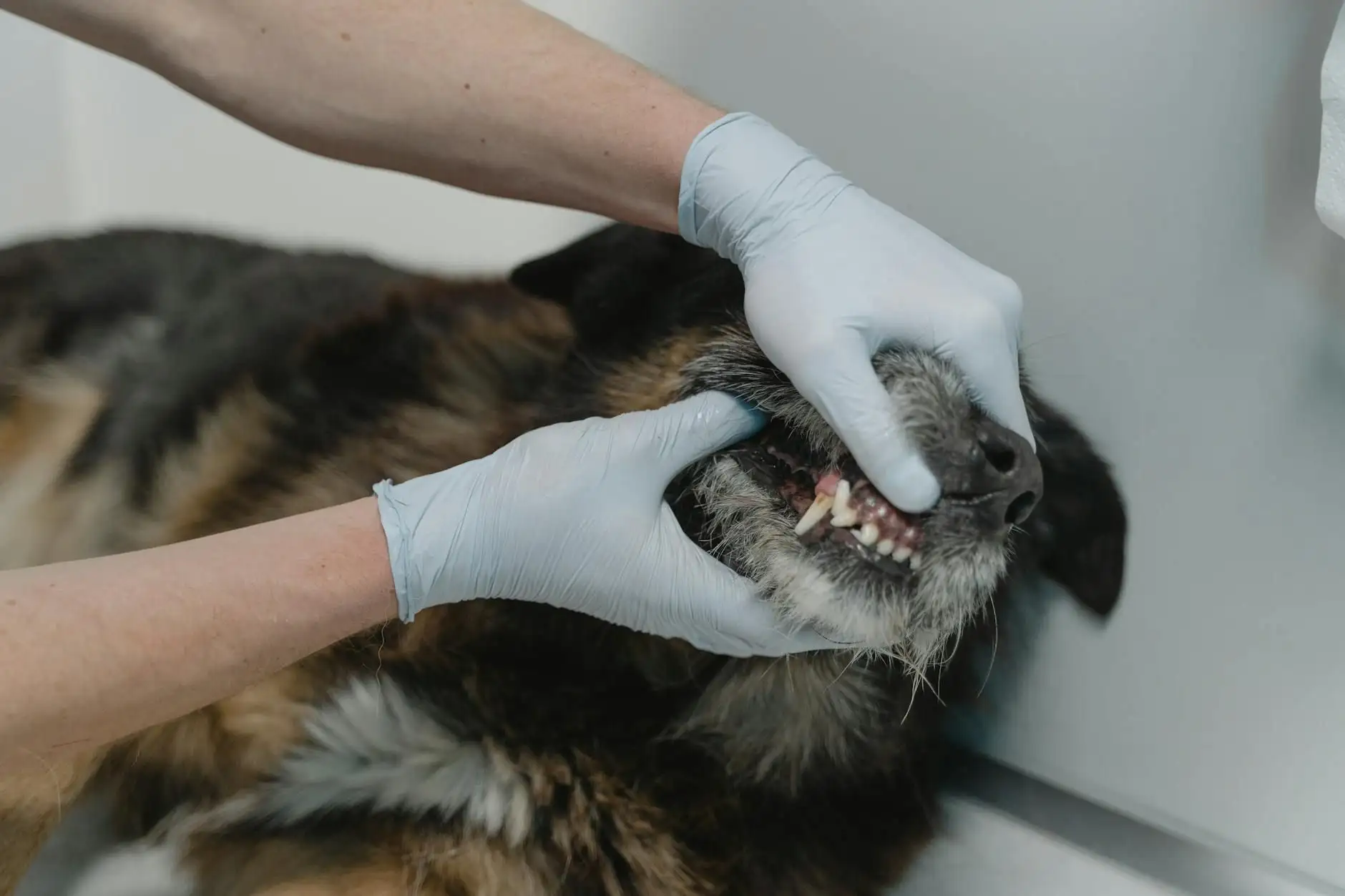
Bad breath in dogs: 7 levers for oral hygiene
Tartar, gingivitis, diet: what really causes canine halitosis and the seven habits French vets recommend to deal with it.
cbd·18 May 2026
How to recognise a good full-spectrum CBD oil in France
Hemp origin, extraction method, certificate of analysis: the real criteria that separate a serious oil from a generic product.