← Journal/18 May 2026·4 min de lecture
Mantras and wellbeing: what the science says
Par The Phytogrammes team ·
A mantra is a short phrase repeated mentally or under the breath in order to focus attention. Neuroscience research suggests that regular practice, combined with breathing, may help with managing intrusive thoughts and encourage a state of mental relaxation, without this amounting to a validated therapy.

A practice that has moved beyond the religious sphere
The word mantra comes from Sanskrit and historically referred to a formula with sacred value. Today it takes the form of a word or short phrase deliberately repeated to anchor attention, used in sophrology, in yoga and in secular meditation protocols. This interest arises in a context where Santé publique France describes a deterioration in adults' mental health since 2020, with a significant share of the population reporting chronic stress.
What the research shows
A narrative review published in 2022 by Ampere A. Tseng on PubMed Central synthesises the available work on mantra meditation: it concludes that there is potential interest for stress management and certain physiological parameters, while stressing the need for more rigorous clinical trials. Inserm notes in its dossier on anxiety disorders that repetitive meditative practices are associated with observable changes in brain areas linked to attention and emotional regulation, while specifying that the research remains exploratory and dependent on regularity and on the individual's profile.
Mantra or self-affirmation
The traditional mantra rests on the repetition of a sound or a short word, without seeking any explicit meaning. A self-affirmation is a phrase carrying personal meaning, formulated in the first person. The two approaches share a common principle: occupying mental space with a chosen formula rather than with automatic thoughts. Many people combine the two depending on the time of day.
Building your mantra in five steps
- Define an intention: calming agitation, strengthening confidence, easing a specific moment.
- Choose simple words, three to five words at most, in the present tense and without negation.
- Test it under your breath: the mantra has to sound right, otherwise it needs adjusting.
- Attach it to a daily trigger: morning coffee, the commute, brushing your teeth.
- Stick with it for three to four weeks: work on habit formation suggests that a routine generally settles between 21 and 66 days depending on its complexity.
A short five-minute session is enough: a few slow breaths, the synchronised repetition of the mantra, then a gradual return to activity. Regularity matters more than duration.
CBD and a relaxation approach: what the law allows you to say
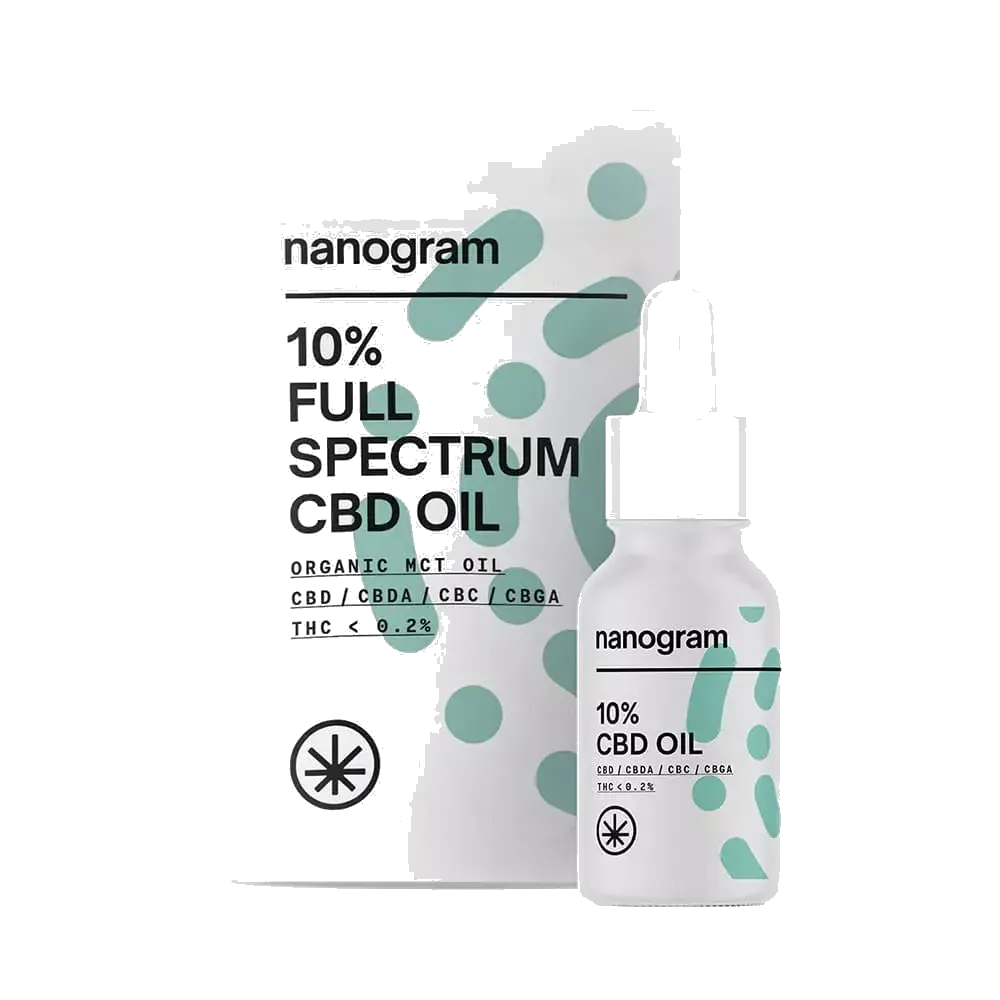
Some people add to their evening routine plants traditionally used for relaxation, or hemp-based wellbeing products. In France, CBD is legal provided the finished product contains at most 0.30% THC, a threshold confirmed by the Conseil d'État decision of 29 December 2022 (no. 444887). No brand may claim that a CBD product "reduces anxiety" or "calms stress": such wording is monitored by the DGCCRF. The permitted vocabulary remains that of wellbeing: a moment of relaxation, a soothing ritual. Synthetic cannabinoids (HHC, H4CBD, THCP), for their part, have been classified as narcotics since the ANSM orders of 2023-2024 and do not belong to the legal CBD market.
Precautions and limits
A mantra is a self-regulation practice, not a therapy. For people with characterised anxiety disorders or depression, it cannot replace medical care. Some people experience a temporary amplification of intrusive thoughts at the start of the practice; if the discomfort persists, it is better to stop and seek advice. CBD is not a medicine: where anxiety persists, medical advice remains essential.
Frequently asked questions
How many times a day should you repeat your mantra?
There is no fixed standard. Most practitioners recommend one to three short sessions, of two to five minutes, built into the transition points of the day.
Can a mantra replace medical follow-up in cases of anxiety?
No. According to the Haute Autorité de Santé, characterised anxiety disorders call for a diagnosis and medical care, possibly combined with cognitive behavioural therapy.
Is there any risk in practising a mantra?
The practice is generally well tolerated. Some people describe a temporary amplification of thoughts at the beginning: if the discomfort persists, it is advisable to speak to a trained professional.
Can a mantra be combined with a CBD product?
Some people include a hemp-based wellbeing product in their evening ritual. The French framework allows no therapeutic claim for CBD; consumption remains a personal choice for adults.
Written by the Phytogrammes team
Every article in this journal draws on primary sources (ANSM, EFSA, EUR-Lex, peer-reviewed publications) and on the lab's own practice: batch-by-batch HPLC analyses, measured cannabinoid profiles. Our approach.
Article published on . CBD is not a medicine.
Phytogrammes products that pair well


Further reading

animaux·18 May 2026
Bad breath in dogs: 7 levers for oral hygiene
Tartar, gingivitis, diet: what really causes canine halitosis and the seven habits French vets recommend to deal with it.

cbd·18 May 2026
How to recognise a good full-spectrum CBD oil in France
Hemp origin, extraction method, certificate of analysis: the real criteria that separate a serious oil from a generic product.

cbd·18 May 2026
Where does CBD come from? From the hemp plant to the bottle
CBD is produced naturally in the trichomes of hemp, then extracted and diluted in a carrier oil. Here is the real journey, within the French framework.