← Journal/Réglementation·16 May 2026·3 min de lecture
Cannabis legalisation in Central America: an overview
Par The Phytogrammes team ·
In Central America, legal frameworks for cannabis remain highly heterogeneous. Costa Rica and Panama have opened a regulated medical sector, while most neighbouring countries maintain a strict ban on any form of use.
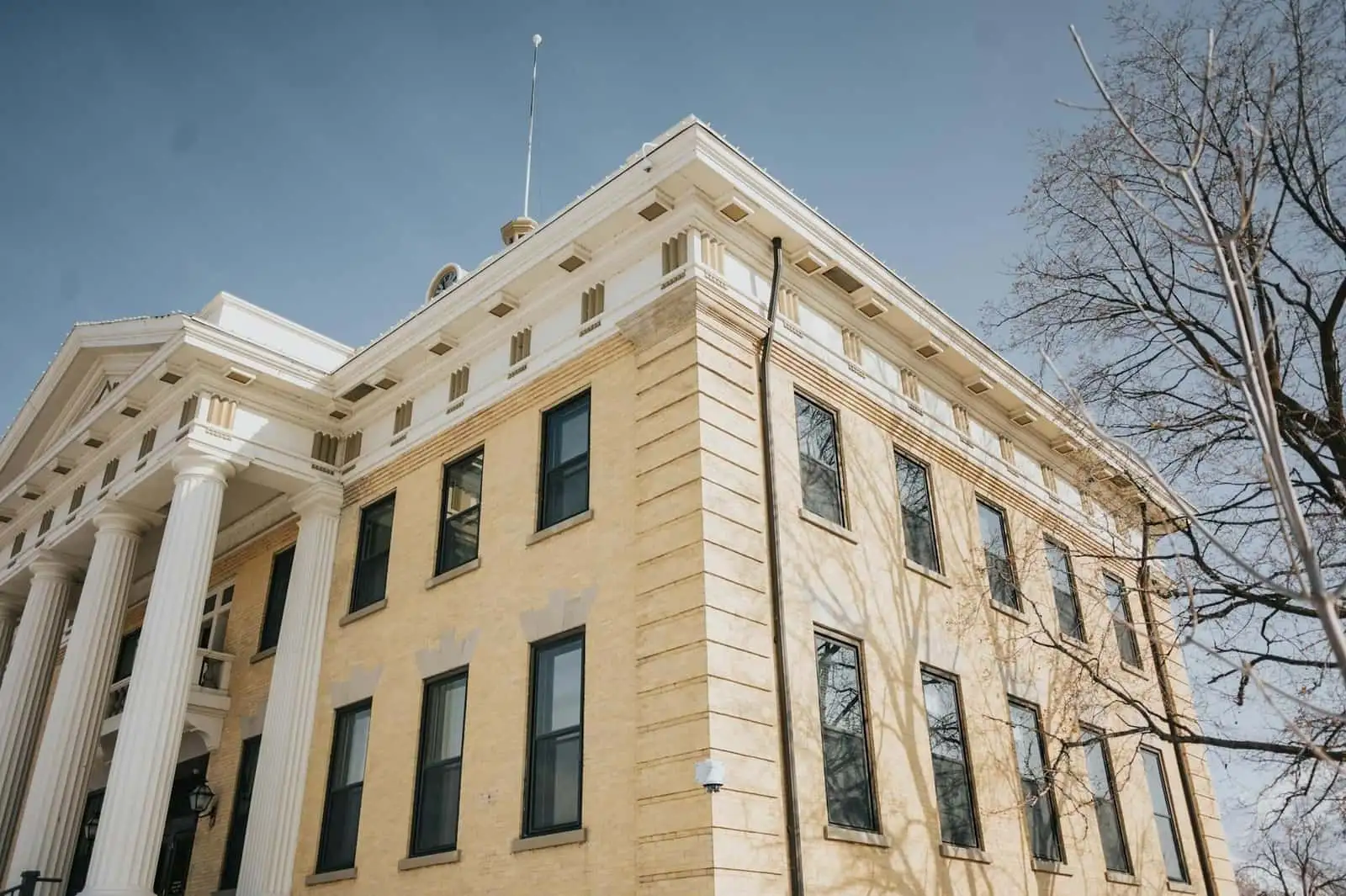
Costa Rica: regulated hemp and medical cannabis
Costa Rica has adopted a law regulating both industrial hemp and cannabis for medical and therapeutic use, opening the way to a licensed local production and processing sector. That framework remains distinct from legalising recreational use, which is still prohibited for the general population.
Panama: a decree for medical use
Panama has also put in place, by decree, a framework for cultivating and marketing cannabis for medical use, with a licensing system for approved operators. As in Costa Rica, recreational use falls outside that framework and remains prohibited.
Belize: partial decriminalisation
Belize has, for several years now, decriminalised possession of small quantities of cannabis for personal use, without legalising its commercial sale on the territory. That approach remains an exception in the region, closer to a regulated tolerance than to genuine legalisation.
Guatemala, Honduras, El Salvador, Nicaragua: the hard line
These four countries maintain strict prohibitionist frameworks, inherited from the international UN conventions on narcotics. Reform proposals emerge regularly in local parliamentary debates, without having led to date to any change in the status of cannabis.
What it changes for a French consumer
None of these regional developments has any effect on the framework applicable in France, where CBD remains authorised provided the finished product contains no more than 0.30% THC, in accordance with the Conseil d'État decision of 29 December 2022. The medical sectors of Costa Rica and Panama concern licensed industrial operators, not private individuals: no product intended for individual consumption can lawfully travel through those channels to France without authorisation. For a broader panorama of national frameworks, our article on cannabis legalisation around the world widens the perspective beyond this region alone.
Frequently asked questions
Can a tourist legally buy cannabis in Costa Rica?
No. The Costa Rican framework covers a licensed medical sector, not sales to private individuals, whether residents or visitors, for recreational purposes.
Has Belize legalised the sale of cannabis?
No. The country has decriminalised possession of small quantities for personal use, but commercial sale remains prohibited.
Does this region have any connection with the CBD sold in France?
No. The French framework for CBD, with its 0.30% THC threshold, is independent of Central American legislation, which concerns separate agricultural and medical sectors.
Are other countries in the region considering reform?
Parliamentary proposals emerge regularly in several countries in the region, without having led to date to any change in the legal framework.
Written by the Phytogrammes team
Every article in this journal draws on primary sources (ANSM, EFSA, EUR-Lex, peer-reviewed publications) and on the lab's own practice: batch-by-batch HPLC analyses, measured cannabinoid profiles. Our approach.
Article published on . CBD is not a medicine.
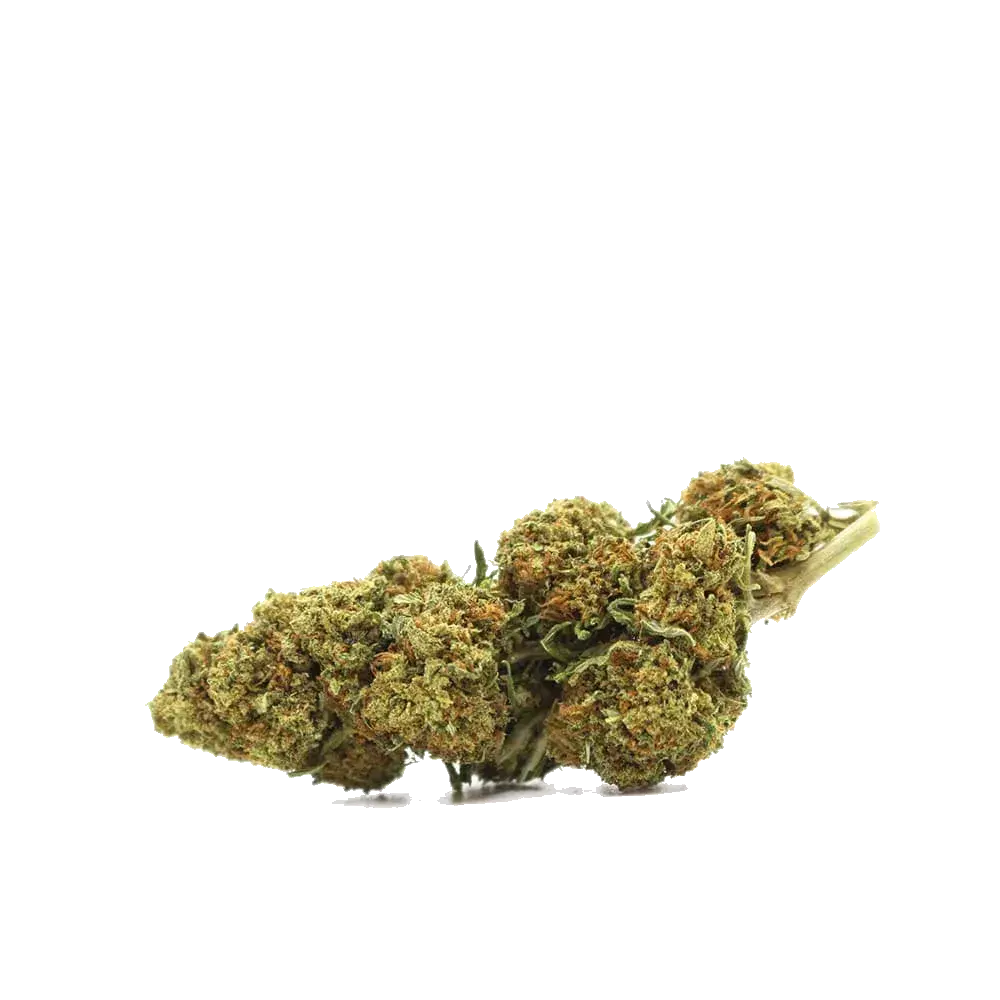
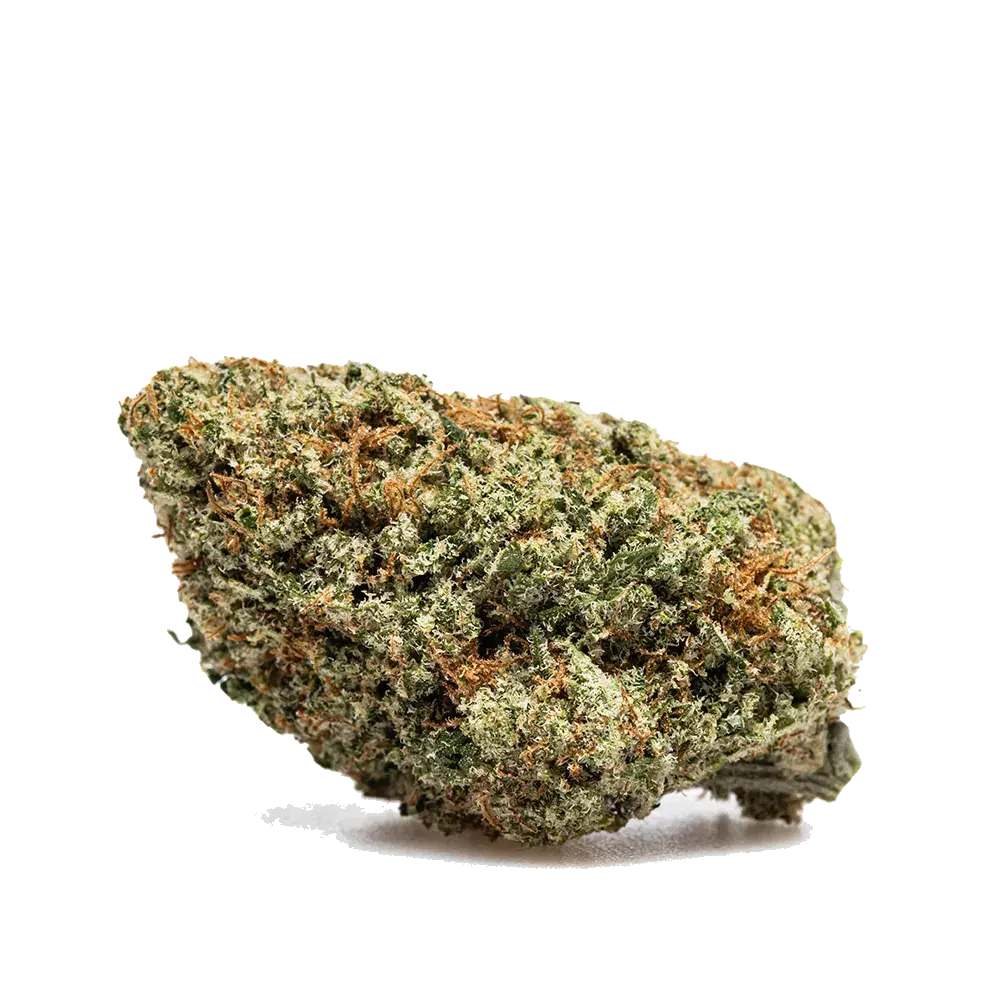
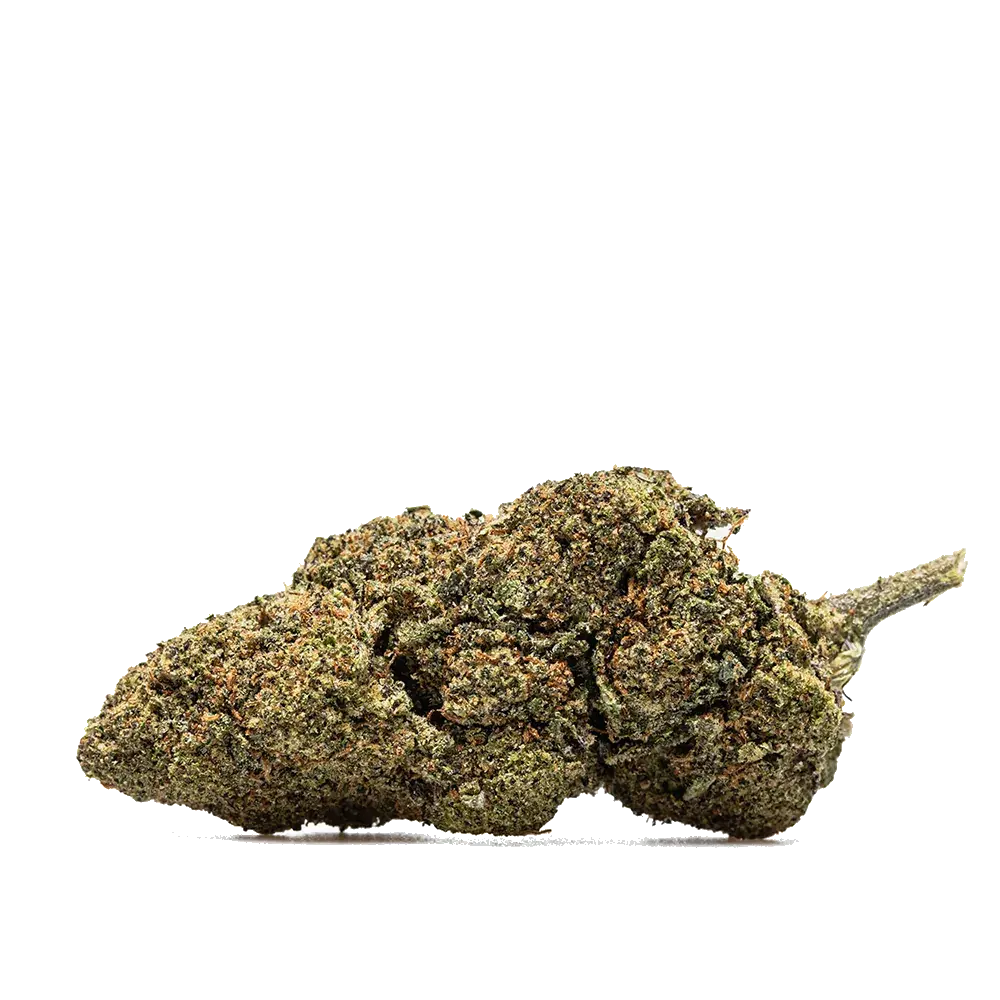
Phytogrammes products that pair well
Further reading
regulation·16 May 2026
Cannabis and CBD around the world: three legal models
Strict prohibition, regulated medical use or recreational legalisation: three broad models coexist around the world. Where France sits.
grinder·16 May 2026
The 4 types of grinder for CBD flower
Two, three or four chambers, or an electric grinder: each type answers a different use for a CBD flower that is legal in France.
fleurs-cbd·16 May 2026
How to recognise the best CBD flower
Three verifiable criteria for judging hemp flower: THC content, terpene profile and traceability, beyond appearance alone.