← Journal/18 May 2026·8 min de lecture
Building your anti-stress routine: the 7 blocks validated by the French authorities
Par The Phytogrammes team ·
One French person in five showed clinically significant anxiety or depressive symptoms in 2024, according to Santé publique France. An effective anti-stress routine combines seven solid building blocks: regular sleep, physical activity, diet, breathing, social connection, disconnection, and — where necessary — medical support. Wellness CBD can be added as a complement, never as a substitute.
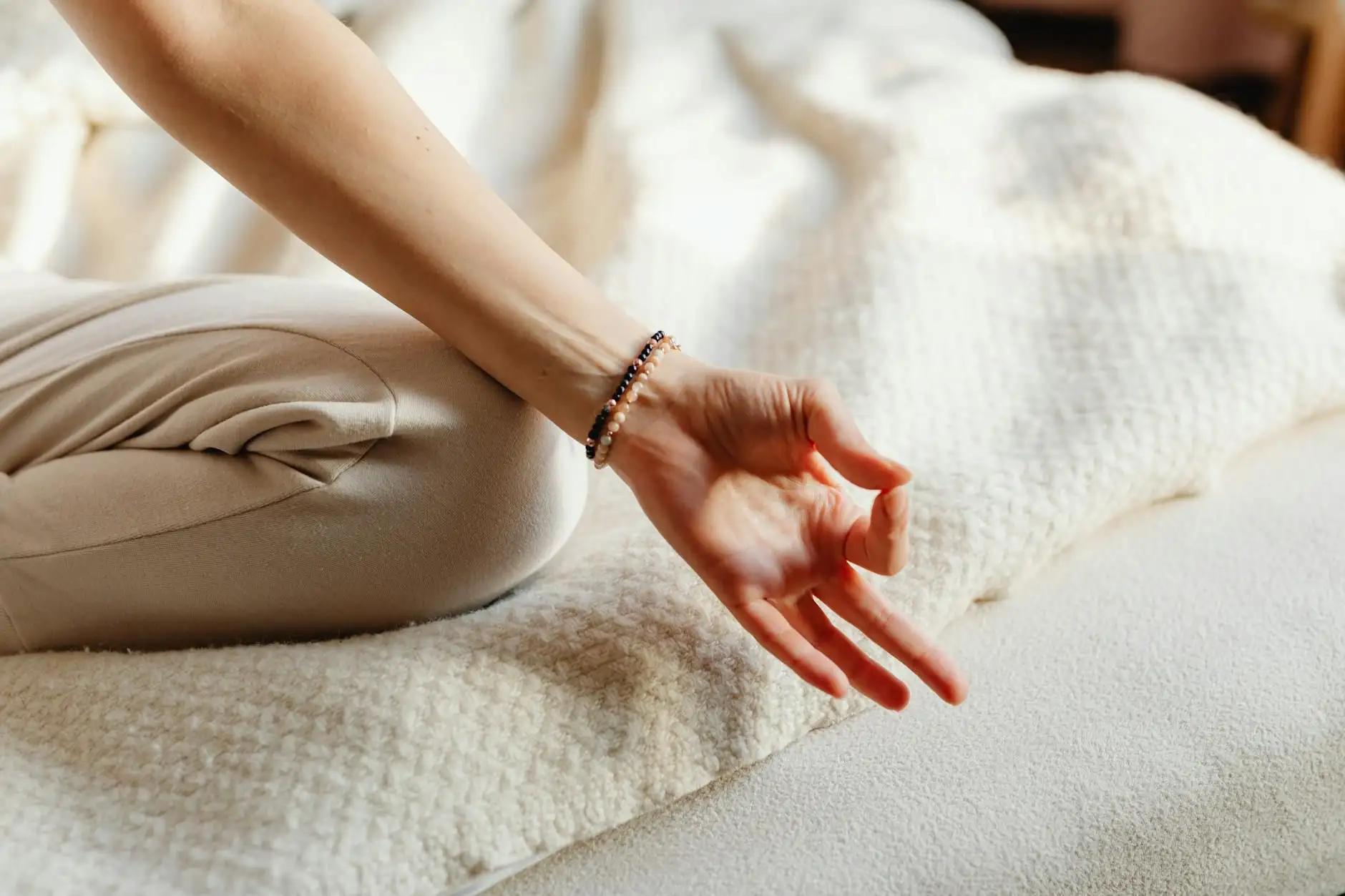
The point of a personalised routine is not to tick every box every day. It is to identify the two or three levers that make the biggest difference for you, and to embed them as habits. Here are the building blocks validated by the French health authorities.
Block 1: Stabilise your sleep
Sleep is the foundation. According to the INSV (Institut national du sommeil et de la vigilance), French adults sleep an average of 6 hours 45 minutes a night during the week, 30 to 45 minutes less than the duration 70% of adults need. Sleep debt directly amplifies reactivity to stress.
Three priority steps:
- Keep your wake-up time steady, weekends included (variation of under 60 minutes).
- Switch off screens 30 to 60 minutes before bed.
- Bedroom at 17-19 °C, dark, with silence or white noise.
The goal is not to gain an hour overnight, but to regularise first, then extend gradually.
Block 2: Move for 30 minutes a day
The 2023 recommendations from the WHO and Santé publique France agree: 150 minutes of moderate activity per week, or roughly 30 minutes on 5 days out of 7. Physical activity is one of the best-documented natural anxiolytics. A 2022 JAMA meta-analysis shows that it reduces anxiety symptoms by 25 to 30% on average among adults who exercise regularly.
No gym membership required: brisk walking, cycling, active gardening, stairs, swimming, dancing. The criterion is regularity, not intensity.
Block 3: A diet that supports the nervous system
Inserm points out that the gut-brain axis directly influences mood regulation via the vagus nerve and the production of serotonin in the gut. Three useful dietary priorities:
- Omega-3s (oily fish, walnuts, rapeseed oil): essential to neuronal function.
- Magnesium (pulses, nuts and seeds, dark chocolate above 70%): a cofactor in nervous regulation.
- Fibre and fermented foods (vegetables, kefir, plain yoghurt, sauerkraut): maintaining the microbiota.
To limit alongside: caffeine after 2 p.m., alcohol in the 3 hours before bed, and fast sugars at breakfast, which amplify blood-sugar swings and late-morning fatigue.
Block 4: Breathe to activate the parasympathetic system
Cardiac coherence is validated by several studies and promoted by hospital health services in France. The 365 protocol: 3 sessions a day, 6 breaths per minute (5 seconds in, 5 seconds out), for 5 minutes.
Measured benefit: a drop in salivary cortisol variability and an improvement in heart rate variability, two objective markers of stress. It is the most accessible tool available, free and with no contraindications.
Block 5: Cultivate social connection
Inserm cites perceived social support as one of the most powerful buffers against stress. In practice:
- One meal a week with someone outside work and your immediate family.
- Joining a community group or a team sport.
- Regular phone or video calls (not just written messages) with two or three people close to you.
Social isolation is an independent risk factor for anxiety and depression — on a par with smoking or physical inactivity.
Block 6: Disconnect once a week
Digital over-stimulation has become a recognised factor in chronic stress. The 2023 Santé publique France survey shows that adults who check their phone more than 50 times a day have an anxiety score 18% higher than others.
Three approaches:
- One day a week without social media.
- One meal a day with no phone at the table.
- A maximum of 30 minutes of screen time in the hour before bed.
Block 7: Recognising when to seek support
A well-built routine is enough for many people. But it is no substitute for medical follow-up in cases of diagnosed anxiety disorder. The HAS recommends seeing a doctor if:
- Symptoms last more than 3 weeks without improvement.
- They significantly impair daily, professional or social life.
- You experience panic attacks, major avoidance behaviour or dark thoughts.
Cognitive behavioural therapy (CBT) is the reference treatment. The "Mon soutien psy" scheme has provided 12 reimbursed sessions a year with a registered psychologist since 2024.
CBD as a possible complement
The IFOP 2022 survey shows that 43% of French CBD users take it as part of a stress-management approach. A legal reminder: no authority (ANSM, HAS, EFSA) has validated any anxiolytic claim. Wellness CBD does not treat anxiety and is no substitute for medical follow-up.
If it fits into a routine, it does so as part of a wind-down ritual — in the same way as a herbal tea or a book. French legality: finished product at ≤ 0.30% THC (Conseil d'État, 29 Dec. 2022). Points to watch: synthetic cannabinoids (HHC, H4CBD, THCP) banned since June 2024; not advised for pregnant or breastfeeding women (ANSES recommendation 2024); risk of a positive saliva test for THC when driving (Cour de cassation, 21 June 2023).
Building your routine over 4 weeks
Rather than changing everything at once, add one block a week:
- Week 1: stabilise your wake-up time + 30 minutes of walking.
- Week 2: add cardiac coherence 365.
- Week 3: weekly meal with someone close + 1 day of disconnection.
- Week 4: dietary adjustment (caffeine, omega-3s) + overall review.
By the end, you will know which blocks have the clearest effect for you. Keep those, and drop or adjust the rest.
Key points
- 1 French person in 5 showed anxiety or depressive symptoms in 2024 (SpF).
- Regular sleep and 30 minutes of physical activity are the two most powerful blocks.
- Cardiac coherence 365 is validated and free.
- CBT is the reference treatment for anxiety disorders according to the HAS.
- Mon soutien psy: 12 reimbursed sessions a year since 2024.
- Wellness CBD is a possible complement, never a medical treatment.
Frequently asked questions
How long before I see any effect?
Allow 2 to 4 weeks to observe a measurable change in sleep and general wellbeing. Cardiac coherence has an immediate effect on heart rate; lasting effects require daily practice.
Should I see a doctor before starting?
No, not for a lifestyle routine in an adult with no particular medical history. Yes, in cases of persistent anxiety symptoms, unexplained pain, chronic sleep disorders or ongoing drug treatment.
What is the difference between stress and anxiety?
Stress is a physiological reaction to a demand from the environment. Anxiety is the emotional anticipation of a threat, real or perceived. Acute stress is physiological; chronic anxiety is a signal that may call for support.
Are yoga and meditation effective?
Yes, several meta-analyses confirm the effect of mindfulness (the 8-week MBSR programme) on anxiety symptoms and quality of life. Practice must be regular (ideally daily, even 10 minutes) to produce the documented effect.
What if I still sleep badly despite the routine?
If after 3 to 4 weeks of a regular routine your sleep remains fragmented, speak to your GP. CBT-I (cognitive behavioural therapy for insomnia) has been regarded by the HAS since 2024 as the reference treatment ahead of any sleeping pill.
To explore our selection of hemp products designed to accompany a wind-down routine, [see our stress and anxiety catalogue](/categorie-produit). CBD is not a medicine. In cases of persistent anxiety or an anxiety disorder, consult a healthcare professional.
Sources
Written by the Phytogrammes team
Every article in this journal draws on primary sources (ANSM, EFSA, EUR-Lex, peer-reviewed publications) and on the lab's own practice: batch-by-batch HPLC analyses, measured cannabinoid profiles. Our approach.
Article published on . CBD is not a medicine.
Phytogrammes products that pair well



Further reading

routine·18 May 2026
Four simple routines for managing everyday stress
A focused morning, a breathing break, movement, an evening wind-down: four accessible rituals to cushion stress as the day goes on.

ruminations·18 May 2026
Nighttime rumination: how to quieten the mind in the evening
Cognitive behavioural therapy, meditation, evening journalling: the approaches validated by the HAS and Inserm for calming thoughts that keep turning.

rythme-circadien·18 May 2026
Circadian rhythm and sleep: understanding your internal clock
How the biological clock works, why morning light matters, and how to reset your circadian rhythm after it has been disrupted.