← Journal/16 May 2026·4 min de lecture
Organic cannabis: what the label really means in France
Par The Phytogrammes team ·
Hemp grown "organically" in France complies with the European regulation on organic farming: no synthetic pesticides or fertilisers, soil managed according to agroecological practices, and an annual inspection by an independent certification body. The wording is not a free marketing argument: it corresponds to a precise and verifiable set of specifications.
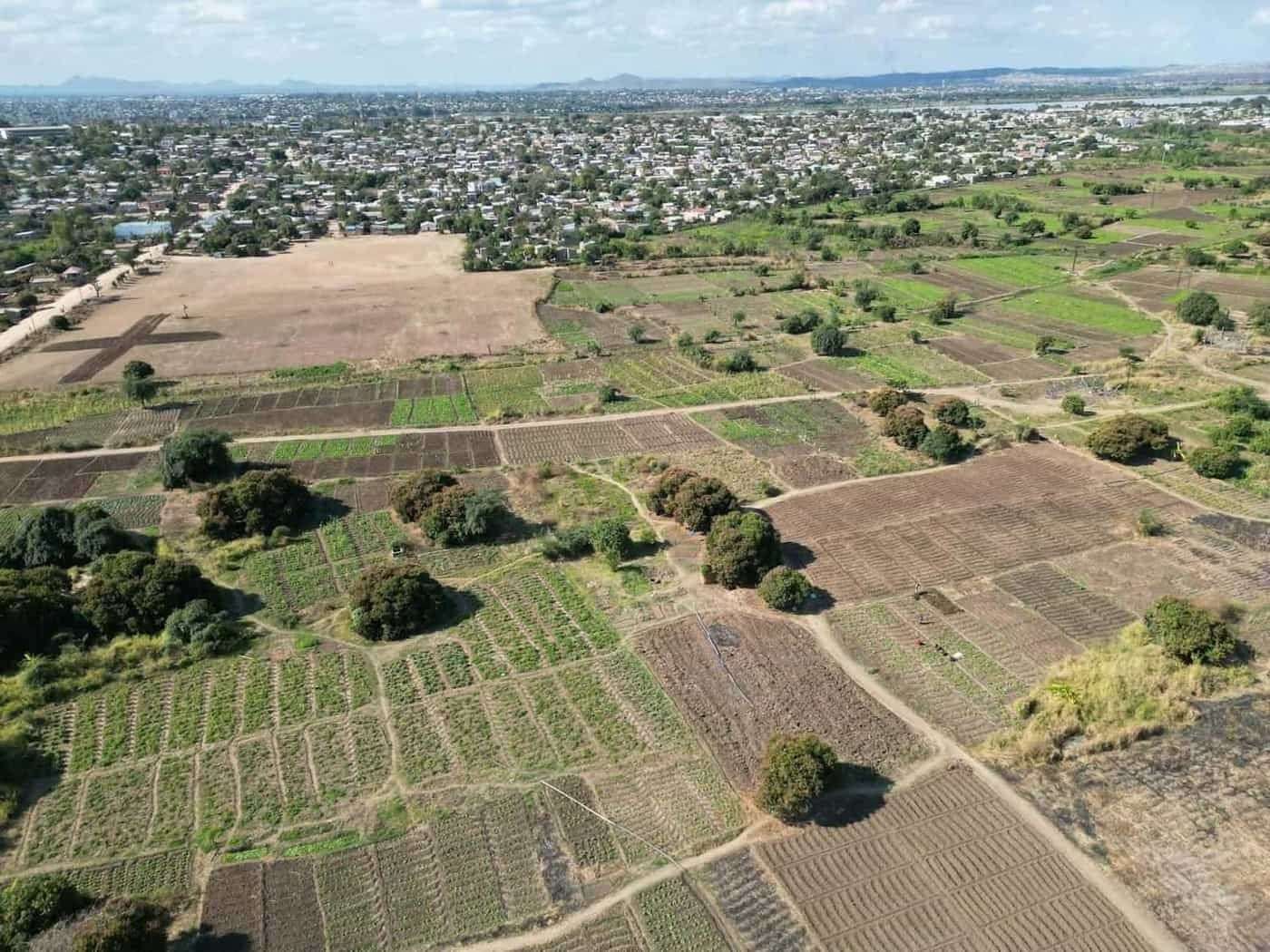
What "organic" means for a hemp crop
A certified organic hemp crop excludes synthetic pesticides, chemical fertilisers and genetically modified organisms, just like any other agricultural crop under this label. The genetics of the variety provide the plant's aromatic and cannabinoid potential, but it is the growing method, organic or not, that determines the final quality of the raw material harvested.
The European regulatory framework
In France as in the rest of the European Union, organic certification falls under European Regulation 2018/848, which governs production methods, traceability and inspections. Independent certification bodies, such as Ecocert or Certipaq Bio, carry out annual audits on farms in order to award and maintain the label. A CBD product displaying the organic wording must be able to produce this certification for the raw material used, not only for the finished product.
Living soil and the absence of synthetic inputs
Living soil, long neglected by the most productivist supply chains, is back at the forefront of organic practices. The aromatic quality of a flower grown on a biologically active substrate, rich in micro-organisms, differs noticeably from that of a plant grown on an inert, heavily fertilised substrate. In the field, the choices are often made at the margins: crop rotation, compost, natural pest management rather than systematic chemical treatment.
Curing, the decisive step after harvest
Curing, or post-harvest maturing, turns a decent flower into a quality product. Monitored humidity, controlled ventilation and gradual packaging over several weeks make it possible to obtain the expected aromatic profile, particularly for terpenes, which are sensitive to heat and moisture. This step is not specific to organic hemp, but it takes on all the more importance because organic growing relies more on the natural richness of the terpene profile than on post-harvest corrections.
How to check that a product is genuinely certified organic
Three elements distinguish a genuine organic claim from a marketing argument: the presence of the European organic farming logo or of a named certification body, a verifiable certification number, and a certificate of analysis stating the THC content of the finished product, always capped at 0.30% whatever the growing method. A "natural" or "pesticide-free" claim without associated certification is not a guarantee equivalent to the organic label. To understand how to read a certificate of analysis as a whole, see our guide to buying CBD in France.
Frequently asked questions
Does organic hemp contain less THC than conventional hemp?
No, organic certification concerns the growing method, not the cannabinoid content. The legal threshold of 0.30% THC in the finished product applies in the same way, whatever the production method.
Is curing compulsory for an organic product?
No, but it is strongly recommended in order to preserve the natural terpene profile of a flower grown organically, which is often richer in aromatic compounds that are sensitive to heat.
How can I tell whether a seller is lying about the organic claim?
Ask for the certification number and the name of the certification body. A genuinely certified operation can always provide this information, which can be checked with the body concerned.
Does organic certification guarantee the absence of contaminants?
It guarantees the absence of synthetic inputs during growing, but a separate certificate of analysis is still needed to check for the absence of heavy metals or residues in the finished product.
Written by the Phytogrammes team
Every article in this journal draws on primary sources (ANSM, EFSA, EUR-Lex, peer-reviewed publications) and on the lab's own practice: batch-by-batch HPLC analyses, measured cannabinoid profiles. Our approach.
Article published on . CBD is not a medicine.
Phytogrammes products that pair well
Further reading
amnesia-haze·16 May 2026
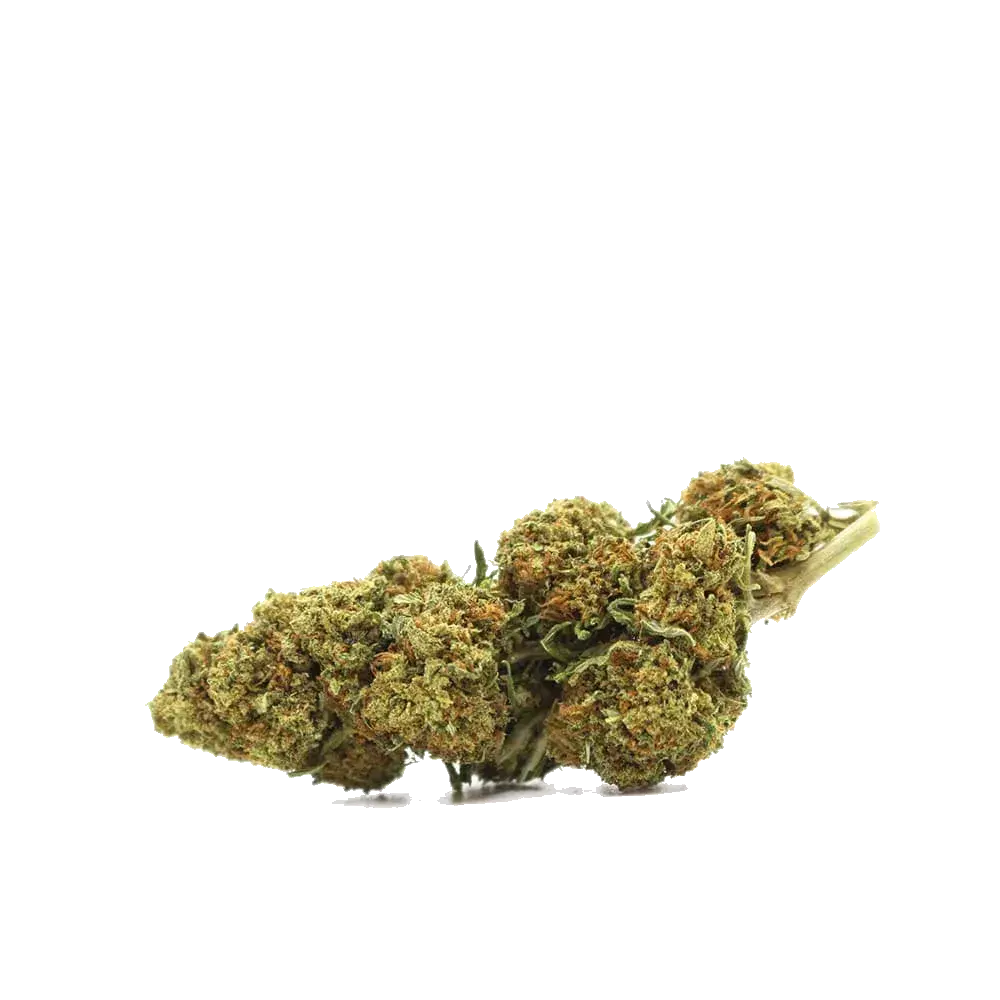
Amnesia Haze CBD: origin, profile and legality of this flower
Haze genetics, lemony and earthy aroma, French legal framework: the full profile of one of the most recognisable CBD varieties.
cbd-cosmetique·16 May 2026
CBD anti-ageing routine: how to work it in without excess
Antioxidants, hydration, topical application: how to build an anti-ageing routine around cosmetic CBD, within the French regulatory framework.
cbd-alimentaire·16 May 2026
CBD chocolate in France: what do the rules say?
Why ready-to-eat CBD truffles and bars have left French shelves, and what remains legally possible for enjoying them at home.