← Journal/16 May 2026·4 min de lecture
CBD chocolate in France: what do the rules say?
Par The Phytogrammes team ·
Ready-to-eat CBD chocolate (bars, industrially made truffles) has no longer been marketable in France since 15 May 2026, the date on which the DGAL withdrew CBD foods from the market for want of Novel Food authorisation. Enthusiasts can, however, continue to make their own CBD chocolate, using an oil whose content is already stated.

Where does the enthusiasm for CBD chocolate come from?
Chocolate has established itself as a natural vehicle for CBD because it masks the herbaceous taste of raw oil well, and because its fat content efficiently dissolves cannabidiol, a fat-soluble molecule. Since the French wellbeing CBD market opened up after the Conseil d'État ruling of 29 December 2022, several brands had launched CBD bars and confectionery, following on from a market already established in the United States and Switzerland.
Why does Novel Food block these products?
The European Novel Food Regulation requires a new ingredient, including ingested CBD, to obtain a marketing authorisation before it is sold. The EFSA published an opinion in 2026 setting a provisionally safe daily dose of 0.0275 mg/kg/day, without however granting a definitive authorisation to existing products. In the absence of an approved dossier, the DGAL deemed CBD gummies, biscuits and chocolates non-compliant and called for their withdrawal from the shelves.
What remains legal for enthusiasts?
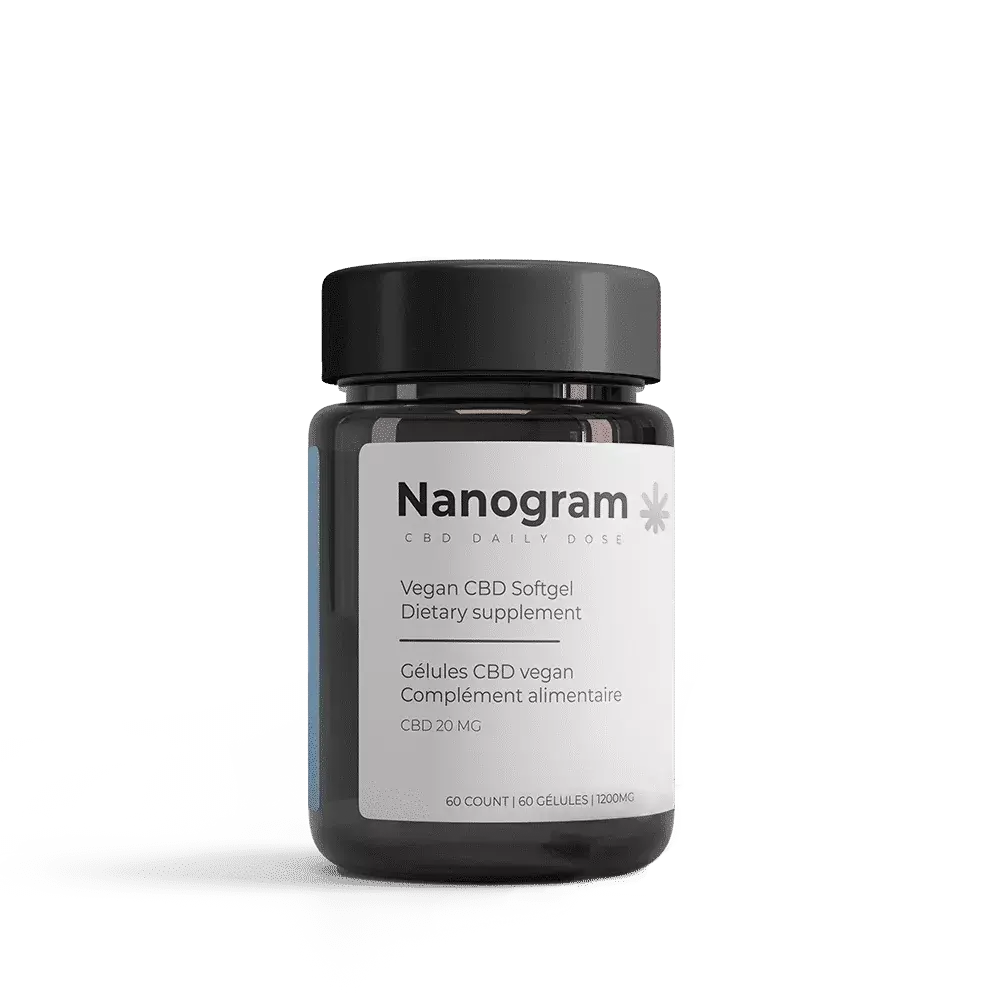
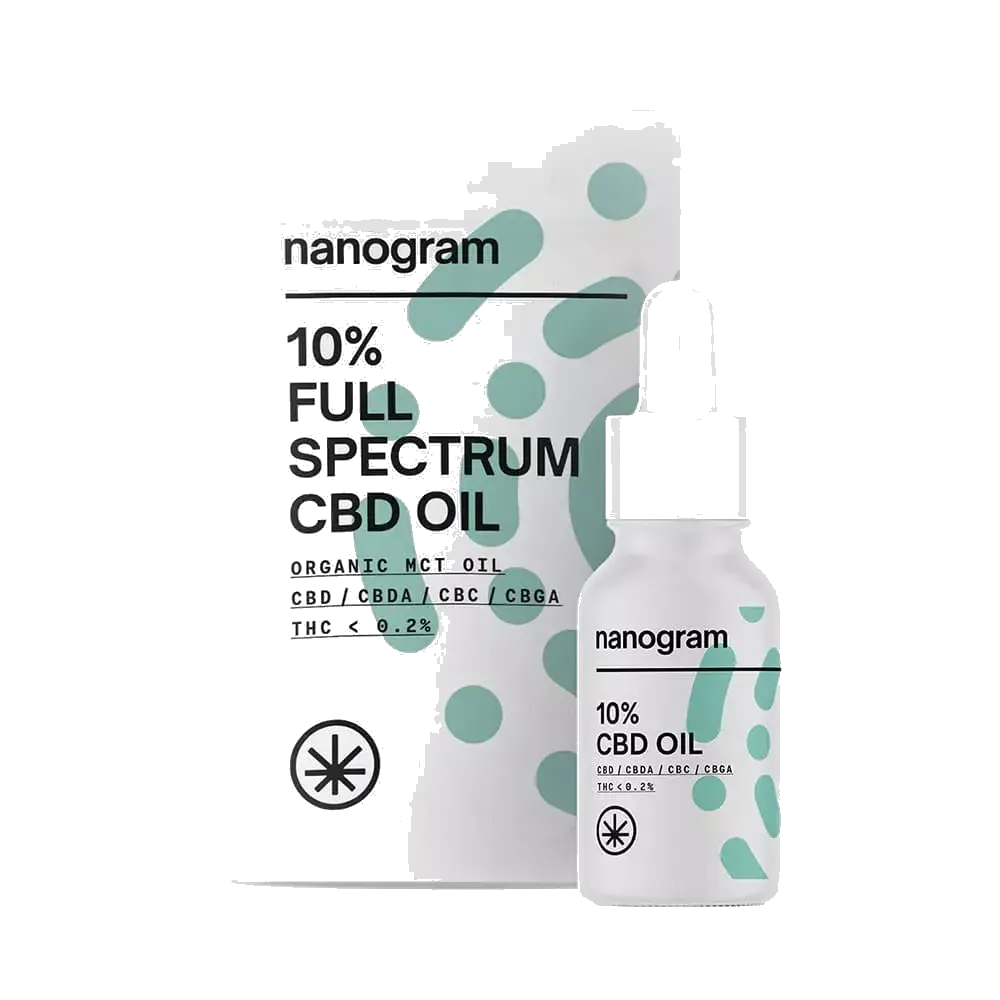
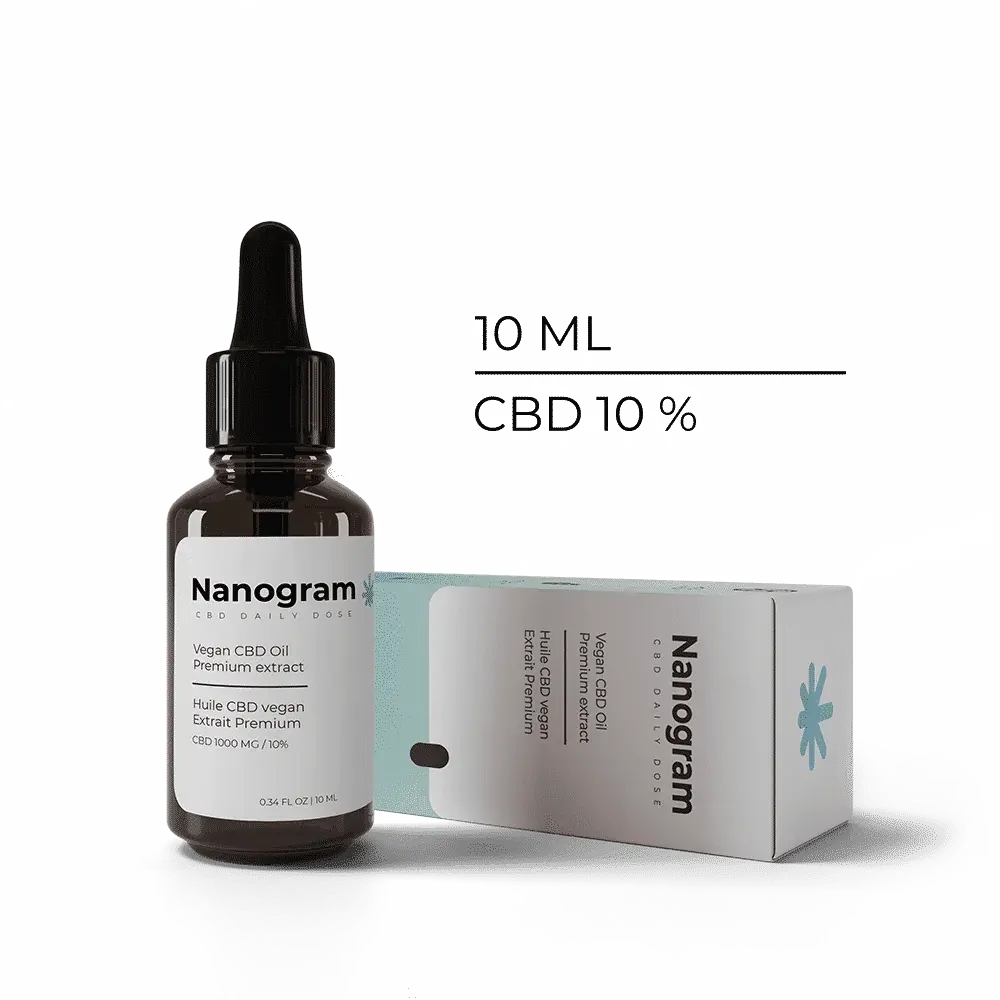
CBD oils sold for sublingual use remain available in shops, because they fall within a commercial framework distinct from that of processed foods. Nothing prevents a private individual from using a few drops of that oil to flavour a ganache or a pastry at home, for personal and non-commercial purposes. That is the logic behind our CBD chocolate truffle recipe, which sets out the proportions and the dose per piece.
How do you judge the quality of an oil used in cooking?
Favour an oil accompanied by a certificate of analysis (CoA) issued by an independent laboratory, confirming the actual CBD content and the absence of prohibited cannabinoids such as HHC or H4CBD, classified as narcotics by ANSM since 2023-2024. A bottle whose content is expressed in mg per ml or per drop makes it far easier to calculate the dose per portion, an essential condition for controlled consumption.
Giving CBD chocolate as a gift: what to know
Homemade CBD chocolate should not be slipped into an ordinary box of chocolates without warning. Always tell the person receiving the gift that it contains CBD, specify the dose per piece, and point out that the product is not suitable for minors, for pregnant or breastfeeding women, or for people on medical treatment without prior advice. These precautions also apply to any sharing in company: an unannounced edible can create an uncomfortable situation for a guest who is not expecting it.
Frequently asked questions
Can you still buy CBD chocolate in shops in France?
No, ready-to-eat CBD food products (chocolates, gummies, biscuits) were withdrawn from the market on 15 May 2026 for want of Novel Food authorisation. Only home preparation from sublingual CBD oil remains possible.
Is CBD chocolate psychoactive?
No, CBD is not psychoactive in the way THC is. A compliant product contains a maximum of 0.30% THC in its composition, a threshold that does not produce a high.
Can you bring back CBD chocolate bought abroad?
It is risky: tolerated THC thresholds vary from country to country, and a product that is compliant elsewhere may be considered non-compliant, or even a narcotic, once in France or in the country of transit.
What is the difference between CBD chocolate and traditional cannabis chocolate?
CBD chocolate uses a legal hemp extract with a low THC content. A "space cake" or traditional cannabis chocolate uses resin or flower rich in THC, a narcotic substance whose possession and consumption remain prohibited in France.
Written by the Phytogrammes team
Every article in this journal draws on primary sources (ANSM, EFSA, EUR-Lex, peer-reviewed publications) and on the lab's own practice: batch-by-batch HPLC analyses, measured cannabinoid profiles. Our approach.
Article published on . CBD is not a medicine.
Phytogrammes products that pair well
Further reading
thc·16 May 2026
THC levels in the blood and driving: what the law says
Unlike alcohol, the concentration of THC in the blood is no faithful predictor of impairment. French law, however, draws no such distinction.

cannabis-medical·16 May 2026
Medical cannabis: the history of a millennia-old use
From the therapeutic hemp of antiquity to the modern medicines authorised in pharmacies, how the medical use of cannabis evolved on its way to France.

gelato·16 May 2026
Gelato: the story of a cult cannabis variety
Gelato made its name in the Bay Area in the mid-2010s thanks to an unprecedented sweet aromatic profile. Genetics, success and the legal CBD version in France.