← Journal/18 May 2026·4 min de lecture
Travelling with your dog stress-free: the practical guide
Par The Phytogrammes team ·
In France, travelling with your dog requires a microchip identifier, a European passport to cross an EU border, and transport suited to each mode (an approved carrier on the train and on the plane). Planning the accommodation, the journey and the dog's acclimatisation considerably reduces stress, for you as much as for the animal.
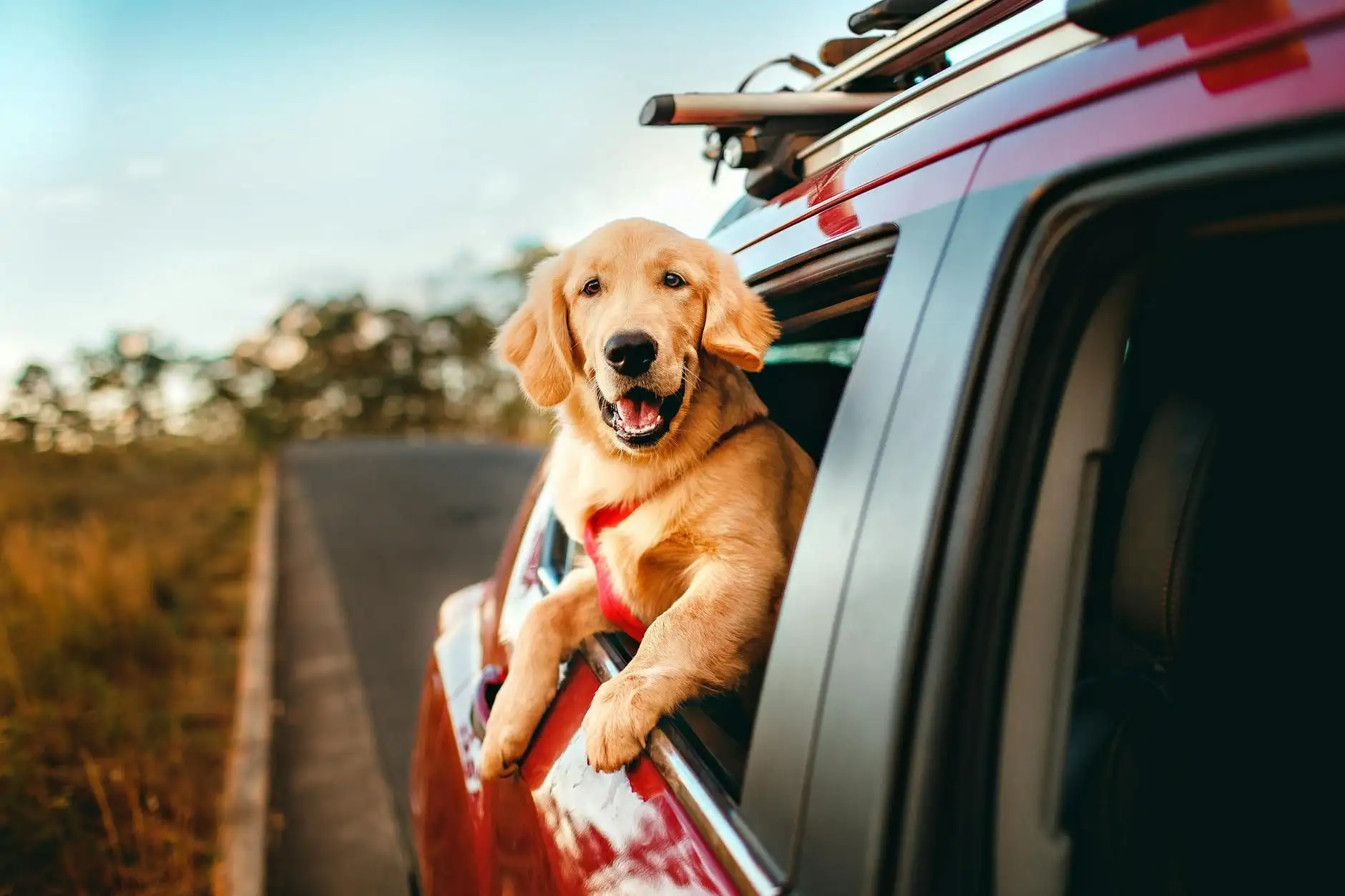
The compulsory administrative basics
Every dog born after 6 January 1999 must be identified by microchip, registered in the national I-CAD database managed by the Société centrale canine. To cross an EU border, including for a weekend in Belgium or Spain, your dog must carry a European pet passport, issued by an authorised vet, which certifies among other things a rabies vaccination valid for at least 21 days. For countries outside the EU, additional rules apply: see the official Service-Public page. The health record, with vaccination boosters up to date (DHPPi, leptospirosis, kennel cough), remains essential for many places to stay.
Travelling by car, train or plane
In the car, article R.412-6 of the Highway Code requires that driving must not be hampered by the animal: a carrier secured in the boot, a separating net or a harness clipped to the seatbelt depending on the dog's size. Get the animal used to journeys gradually, plan a light meal three hours before departure and a break every two hours. Never leave a dog alone in a parked vehicle, even in the shade: this is an offence under article R.214-17 of the Rural Code, and the temperature inside can rise very quickly.
SNCF allows dogs on board TER, TGV INOUI, Intercités and Ouigo services: under 6 kg in a carry bag for €7, over 6 kg muzzled and on a lead for half the second-class fare. On planes, the rules vary by airline but generally follow the same logic: under 8 kg in the cabin, over 8 kg in the hold in an IATA-approved carrier. Book at least a week before departure and take a recent certificate of good health for intercontinental flights. Brachycephalic breeds (bulldog, pug) are often refused in the hold because of the respiratory risk.
Choosing suitable accommodation
More and more campsites, hotels and holiday cottages accept dogs: filter listings using the "pets allowed" option. Check the supplements charged (generally a few euros a night), and whether so-called dangerous breeds (categories 1 and 2, under the 1999 law) are admitted. Favour accommodation with direct outdoor access, and take a familiar basket or blanket to reassure your dog in a new environment.
Reducing the stress of the journey
Stress shows itself through excessive panting, trembling, loss of appetite or sometimes vomiting. Keep to the usual feeding and walking routine as far as possible, take familiar objects along, and plan physical exercise the day before and on the morning of departure. Calming pheromones (diffusers, sprays), available from veterinary pharmacies, can help. For a dog with marked anxiety, veterinary advice before the trip remains advisable: suitable one-off prescriptions can be issued.
CBD for dogs: what the regulations allow
The status of veterinary CBD remains a grey area in France. No CBD-based veterinary medicine has obtained a marketing authorisation issued by the ANMV. Selling products "for animals" is tolerated as long as no therapeutic purpose is claimed. A vet may, under the therapeutic cascade provided for by EU Regulation 2019/6, prescribe CBD off-authorisation where no authorised veterinary medicine is suitable. If you are considering CBD for your dog, always consult your vet before first use, favour a THC-free isolate (THC is toxic to dogs), and insist on an independent certificate of analysis. Our buying guide for CBD for dogs sets out these criteria in detail.
Frequently asked questions
Do you need a passport to go to Spain with your dog?
Yes. Spain is in the EU, but the European passport and rabies vaccination are still compulsory. It is issued by your vet and remains valid as long as the vaccinations are up to date.
What is the risk of leaving your dog alone in the car?
A fatal one: the temperature inside a vehicle rises very quickly even in moderate weather. It is also an offence under article R.214-17 of the Rural Code.
Is CBD for dogs dangerous?
Badly dosed or badly chosen, it can cause excessive drowsiness or digestive upset. THC, present in some full-spectrum oils, is toxic to dogs. Always consult a vet beforehand.
How do I know whether my dog is stressed on holiday?
Watch for loss of appetite, panting unrelated to the heat, withdrawal or unusual behaviour. Keeping to a routine and limiting excessive stimulation generally helps to get through it.
Written by the Phytogrammes team
Every article in this journal draws on primary sources (ANSM, EFSA, EUR-Lex, peer-reviewed publications) and on the lab's own practice: batch-by-batch HPLC analyses, measured cannabinoid profiles. Our approach.
Article published on . CBD is not a medicine.
Phytogrammes products that pair well



Further reading

voyage·18 May 2026
Flying with CBD: France, Europe and outside the EU
Can you fly with your CBD? French rules, intra-Schengen flights, destinations outside the EU and container sizes: what you need to know before boarding.

420·16 May 2026
420: the history, origin and myths surrounding cannabis
The true story behind the best-known cannabis symbol in the world, between legend and verified fact.

cbd·16 May 2026
5 celebrities who have talked about CBD in the media
Five public figures who have publicly associated their image with CBD, somewhere between a personal brand and a simple media account.