← Journal/18 May 2026·7 min de lecture
CBD for dogs in France: a considered buyer's guide
Par The Phytogrammes team ·
No CBD-based veterinary medicine holds a marketing authorisation in France. To buy a reliable product for your dog: a THC-free isolate, an up-to-date independent certificate of analysis, a dosage given in mg/kg, veterinary advice before the first use, and vigilance about the synthetic cannabinoids (HHC, H4CBD, THCP) banned since 2024.
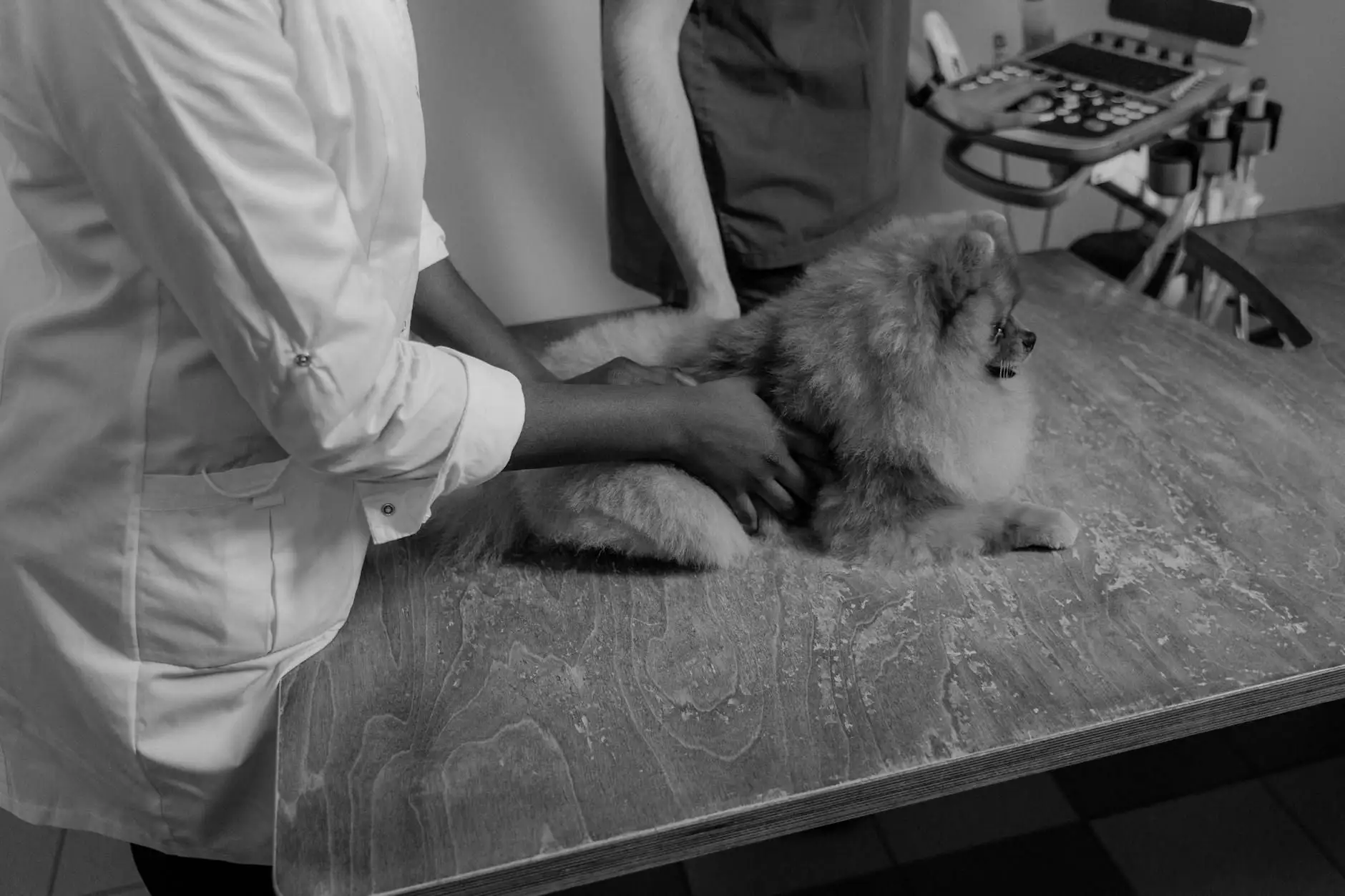
The veterinary CBD market has grown up on the margins of a legal framework that does not exist. This guide helps owners tell serious products from scams, and avoid the health risks documented by ANSES.
Legal status of veterinary CBD in France
The ANMV (the national agency for veterinary medicinal products, part of ANSES) has granted no marketing authorisation to any CBD-based veterinary medicine. The official index of veterinary SPCs confirms this. Selling CBD products labelled "for animals" is tolerated as long as no therapeutic purpose is claimed.
A vet may prescribe CBD off-licence under the prescribing cascade set out in EU Regulation 2019/6, under their personal responsibility, where no authorised veterinary medicine is suitable.
What this means for brands: they may not mention "anxiety", "osteoarthritis", "epilepsy" or "anti-inflammatory". The permitted wording is "comfort", "calm", "well-being".
Why you should never use a human CBD product on your dog
Three reasons:
- THC is toxic to dogs. A full-spectrum human CBD oil (up to 0.30 % THC) can poison a small dog: ataxia, hypothermia, respiratory depression, sometimes fatally.
- The excipients are not suitable. Some human oils contain xylitol (a sweetener), which is toxic to dogs at very low doses. Others contain essential oils (eucalyptus, tea tree) that are toxic to animals.
- The dosage is wrong. Human concentrations (5 to 30 % CBD) are far too high for small builds.
The 7 criteria of a serious veterinary CBD product
1. THC-free CBD isolate
THC is toxic to dogs. Choose a 99 % CBD isolate with 0 % THC, guaranteed by a certificate of analysis. Avoid full spectrum for animals.
2. Independent certificate of analysis (CoA)
A third-party laboratory (with no ties to the brand) must have analysed the exact batch you are buying. The CoA states:
If the brand refuses to provide a CoA, do not buy.
3. Concentration stated in mg/kg and in mg/ml
This lets you work out the dose for your dog precisely. An oil described as "5 % CBD" with no figure in mg/ml is unusable.
4. A suitable oil base
- MCT oil (coconut): the most common, with good stability.
- Salmon oil: more palatable for dogs.
- Hemp oil: neutral, natural.
To avoid: palm oil (digestive problems), added essential oils (possible toxicity).
5. Indicative dosage
The usual veterinary recommendations are 0.1 to 0.5 mg/kg, once or twice a day. For a 15 kg dog, that comes to 1.5 to 7.5 mg of CBD per dose. To be confirmed case by case with your vet.
6. Traceable origin
Hemp grown in France or the EU, with the variety stated. Be wary of products with no declared origin.
7. Storage
Away from light, ideally refrigerated once opened. A visible use-by date. Oxidised oils lose potency and can become irritant.
The formats available
- Sublingual oil: the most precise for dosing. A few drops straight into the mouth or onto a piece of kibble.
- Treats: more palatable, less precise on dosage. Good for starting out.
- Capsules: handy for dogs that swallow them easily.
- Sprays: less recommended (imprecise dosing).
When to raise CBD with your vet
Situations where the question may reasonably be considered, during a veterinary consultation:
- Separation anxiety that has resisted behavioural protocols.
- Stress linked to thunderstorms or fireworks (alongside pheromones and compression garments).
- Chronic discomfort in an elderly dog for whom conventional anti-inflammatories are contraindicated.
- An animal at the end of life in palliative care (within a supervised framework).
The vet will weigh the value of CBD against the existing alternatives and identify any interactions with medicines.
Absolute contraindications
- Puppy under 6 months: immature enzyme system.
- Pregnant or nursing bitch: no safety data.
- Liver failure: CBD is metabolised by the liver.
- Anticoagulant treatment: a documented interaction.
- Ongoing antiepileptic treatment: risk of interaction (CBD alters the metabolism of several antiepileptics).
- Scheduled surgery: stop at least 7 days beforehand.
Signs of poisoning to know
To watch for after the first use and to report to the vet:
- Ataxia (uncoordinated gait).
- Excessive drooling.
- Repeated vomiting.
- Low blood pressure, excessive drowsiness.
- Unusual apathy lasting beyond 24 hours.
In 2024 ANSES reported a rise in animal poisonings linked to CBD products contaminated with synthetic cannabinoids or containing excess THC.
Key points
- No CBD veterinary medicine holds a marketing authorisation in France.
- A THC-free CBD isolate is essential for dogs.
- An independent certificate of analysis can and should be asked for.
- Indicative dosage: 0.1 to 0.5 mg/kg, once or twice a day.
- Veterinary advice before the first use.
- Synthetic cannabinoids (HHC, H4CBD, THCP) banned since June 2024.
- Never use a human CBD product on your dog.
Frequently asked questions
Can my dog get "high" on CBD?
No, pure CBD has no psychotropic effect. The risk comes solely from the THC present in some full-spectrum oils. Choosing a THC-free isolate removes that risk.
How much does a serious veterinary CBD product cost?
Expect €30 to €60 for a 10 ml oil from a reputable French or European maker with a CoA. A very low price (under €15) should raise questions about quality or origin.
Can a vet refuse to discuss it?
Yes, and that is understandable: their liability is engaged by any off-licence prescription. If your vet would rather not support you on this subject, you can consult a veterinary behaviourist or a colleague more familiar with it.
How long before any effect shows?
It varies: from 30 to 60 minutes for a sublingual oil, up to 2-3 weeks before any cumulative effect is observed in a chronic condition. Regularity matters more than a one-off dose.
What should I do if I suspect poisoning?
Contact your vet immediately, or a veterinary poison control centre (CAPAE-Ouest: 02 40 68 77 40 / CNITV Lyon: 04 78 87 10 40). Take the product packaging with you for analysis.
To see our selection of hemp products intended for animal well-being — always on your vet's advice — [browse our stress and anxiety catalogue](/categorie-produit). CBD is not a medicine. If your dog shows behavioural or physical problems, consult a qualified vet.
Sources
Written by the Phytogrammes team
Every article in this journal draws on primary sources (ANSM, EFSA, EUR-Lex, peer-reviewed publications) and on the lab's own practice: batch-by-batch HPLC analyses, measured cannabinoid profiles. Our approach.
Article published on . CBD is not a medicine.
Phytogrammes products that pair well
Further reading
animaux·18 May 2026
CBD for dogs: what the French veterinary framework says
No veterinary marketing authorisation, THC toxic to dogs, unvalidated dosing: a review of CBD safety in dogs in France, with no therapeutic claim.

cbd·18 May 2026
When can you start assessing how you feel with CBD?
The recommended assessment window for wellbeing CBD, practical benchmarks for observing how you feel, and the limits of this approach within the French framework.

cbd·18 May 2026
CBD, how does it feel? What consumers in France report
The sensations most often reported by French well-being CBD consumers, the limits of the available data, and the framework of authorised claims.