← Journal/18 May 2026·7 min de lecture
7 pillars of a wellness routine that lasts in 2026
Par The Phytogrammes team ·
A wellness routine that holds up over time rests on fundamentals validated by the French health authorities: regular sleep, Manger Bouger dietary guidance, moderate physical activity, mindfulness anchors. Wellness CBD can be added as a complement, but never as a replacement for these pillars.

Why small steps beat sweeping change
Wellness goals that rarely last are almost always the ones demanding a radical transformation. The behavioural psychology literature, relayed by Inserm, shows that consistency beats intensity. A tiny habit applied every day is worth more than an ambitious programme abandoned within a fortnight.
Here are seven simple pillars, all compatible with official French guidance. None requires a major investment. All of them stack.
1. Secure quality sleep
Sleep is the least negotiable pillar. The INSV recommends 7 to 9 hours a night for an adult, with regularity taking priority over raw duration. In 2024 the HAS updated its recommendations on the management of chronic insomnia: cognitive behavioural therapy for insomnia (CBT-I) is positioned there as the first-line treatment.
The fundamentals of good sleep hygiene:
- Stable bedtimes and wake times, weekends included.
- No bright screens in the hour before bed.
- A bedroom at 18-19 °C, dark and quiet.
- Caffeine avoided after 2 p.m.
- Alcohol avoided in the evening (it fragments REM sleep).
2. Build a simple, nourishing diet
The Manger Bouger programme (PNNS 4) sums up a balanced diet in a handful of markers: at least 5 fruits and vegetables a day, 2 servings of pulses a week, wholegrain starches, fish twice a week, few ultra-processed foods, little salt and added sugar, and water as the main drink.
No French authority has validated any claim making CBD an aid to nutrition or digestion. Ingested CBD has moreover been subject since 15 May 2026 to the European Novel Food regulation, which severely restricts the oils, gummies and bud infusions that may be marketed as food supplements.
3. Move 30 minutes a day, without heroics
ANSES recommends at least 30 minutes of moderate to high intensity physical activity 5 days a week, plus 2 weekly muscle-strengthening sessions. For many adults, this is less a question of motivation than a question of habit anchoring: walking to work, taking the stairs, doing a 30-minute loop after the evening meal.
The agency also stresses the need to break up sedentary time every two hours. A wellness routine that lasts means, first of all, less time sitting down, not necessarily more time in the gym.
4. Set up a mindfulness anchor
Inserm catalogues the clinical studies on mindfulness meditation and notes documented effects on stress management and perceived sleep quality. Several structured programmes (MBSR, MBCT) have been studied by French hospitals for twenty years.
Building a mindfulness anchor into a day requires no formal programme: 5 minutes of conscious breathing in the morning, or a body scan at bedtime, is enough to get the routine started. Consistency matters more than session length.
5. Define your own recovery limits
A wellness routine that ignores individual limits eventually collapses. Learning to decline the invitations that drain you, protecting one evening a week free of social commitments, limiting digital availability outside working hours: these simple gestures determine how sustainable every other pillar will be.
In its recommendations on occupational burnout, the HAS stresses that the loss of recovery markers (weekends, holidays, evenings) is an early warning signal. If you recognise this pattern, raise it with your GP.
6. Check your real needs before stacking up supplements
The food supplement market in France has doubled in ten years. Most of us have no nutritional deficiency that would justify systematic supplementation. Before buying capsules by the boxful, a blood test with your GP is the recommended first step.
For ingested CBD, the EFSA set, in February 2026, a provisionally safe daily intake of 0.0275 mg/kg of body weight per day, or roughly 2 mg/day for a 70 kg adult. That level is far below the usual dosages of the oils on sale and calls for caution in regular use.
7. Skincare: back to the essentials
A skincare routine that lasts does not need a dozen products. Three steps are enough for most skin types: gentle cleansing, suitable moisturising, and sun protection in the morning. CBD cosmetics have been covered by a stable regulatory framework since February 2021 (the entry of CBD in the European CosIng database). They can find a place in a skincare routine, provided they are bought from traceable, certified brands.
Wellness CBD, as a possible complement
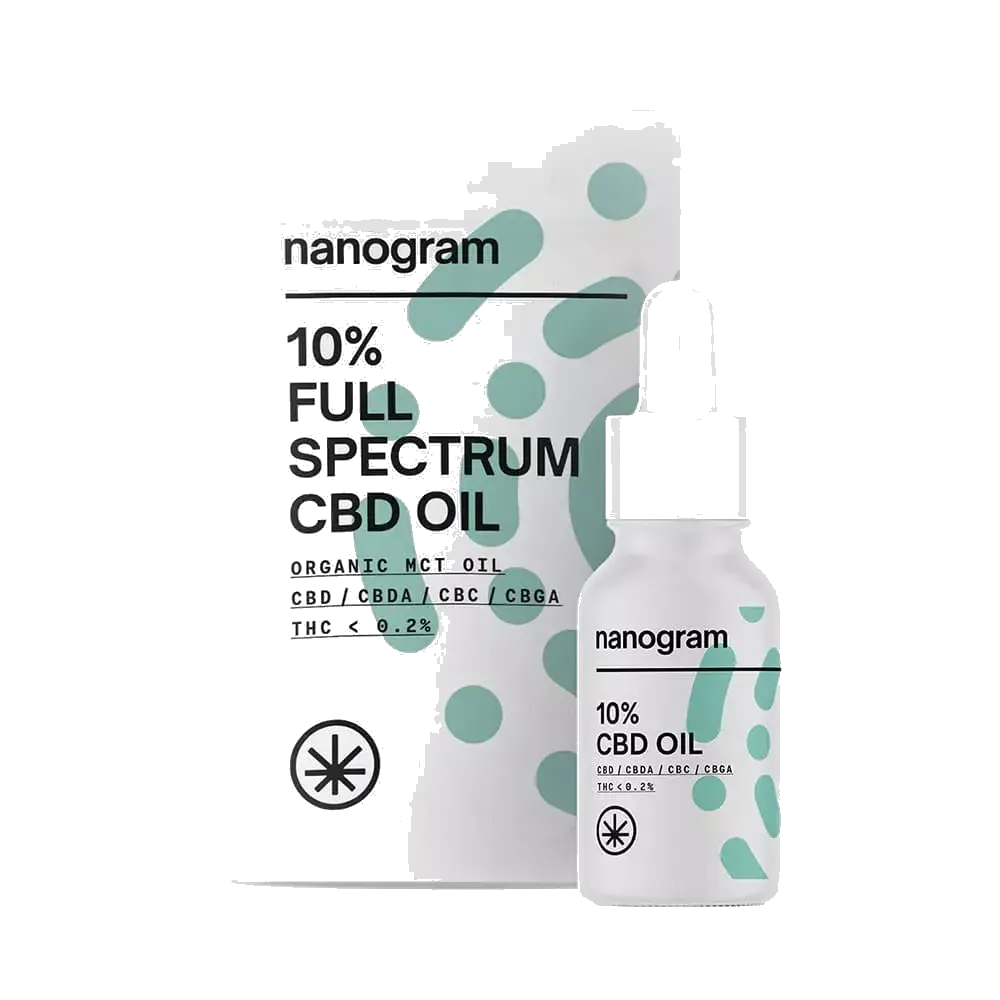
If you would like to try CBD in your routine, the most commonly described use is that of an end-of-day ritual: a few drops of sublingual oil or a flower infusion in the early evening. MILDECA reminds us that no therapeutic claim is authorised for these products, which are not medicines.
Precautions to observe:
CBD is not a medicine. In case of persistent fatigue, sleep disturbance or chronic stress, consult a healthcare professional.
Key takeaways
- Regular sleep is the non-negotiable pillar of a wellness routine.
- ANSES recommends at least 30 minutes of moderate activity 5 days a week.
- Inserm documents the effects of mindfulness meditation on perceived stress.
- A blood test comes before any systematic supplementation.
- CBD cosmetics are listed in the European CosIng database.
- Wellness CBD complements a routine; it replaces no pillar.
FAQ
How long does it take to embed a wellness habit?
The behavioural psychology literature estimates between 21 and 66 days depending on the nature of the habit and the context. Daily consistency is the most predictive factor.
Do you have to exercise every day?
ANSES recommends at least 5 days out of 7 of moderate activity. A daily cadence is not compulsory, but the weekend break should not undo what the week has built.
Does CBD replace an anxiolytic or a sleeping pill?
No. No French authority has validated that equivalence. Substituting wellness CBD for any prescribed treatment must first be discussed with the prescribing doctor.
How many mg of CBD per day?
EFSA recommends not exceeding roughly 2 mg/day for a 70 kg adult given the current state of the data.
How do you check the quality of a CBD oil?
Ask for the certificate of analysis (CoA) from an independent laboratory. It must confirm the CBD content, THC at or below 0.30 %, and the absence of pesticides and banned cannabinoids.
To bring CBD into your evening ritual, [browse our laboratory-tested catalogue](/categorie-produit).
Sources
Written by the Phytogrammes team
Every article in this journal draws on primary sources (ANSM, EFSA, EUR-Lex, peer-reviewed publications) and on the lab's own practice: batch-by-batch HPLC analyses, measured cannabinoid profiles. Our approach.
Article published on . CBD is not a medicine.
Phytogrammes products that pair well


Further reading
alimentation-sommeil·18 May 2026
Diet and sleep: what to eat (or avoid) in the evening
Tryptophan, magnesium, alcohol, coffee, late meals: what the PNNS recommendations and Inserm actually say about the impact of diet on sleep.

concentration·18 May 2026
Everyday distractions: 5 levers for better concentration
Constant notifications, information overload, multitasking: five concrete levers for protecting your concentration, based on French guidance.

anxiete·18 May 2026
Public speaking anxiety: 5 validated strategies and the CBD framework
Glossophobia, stage fright, fear of speaking in public: what French psychologists recommend for rebuilding confidence, and the real place of hemp-based supplements.