← Journal/18 May 2026·3 min de lecture
CBD in cosmetics: what the skin does with it and what the law allows
Par The Phytogrammes team ·
CBD has been listed in the European CosIng database since February 2021, which authorises it in cosmetics (creams, balms, topical oils) with no dosage restriction, as long as the THC content stays below the acceptable contamination threshold. Claims must remain cosmetic (hydration, comfort) and never therapeutic. This segment enjoys the most favourable regulatory framework in the French CBD market.
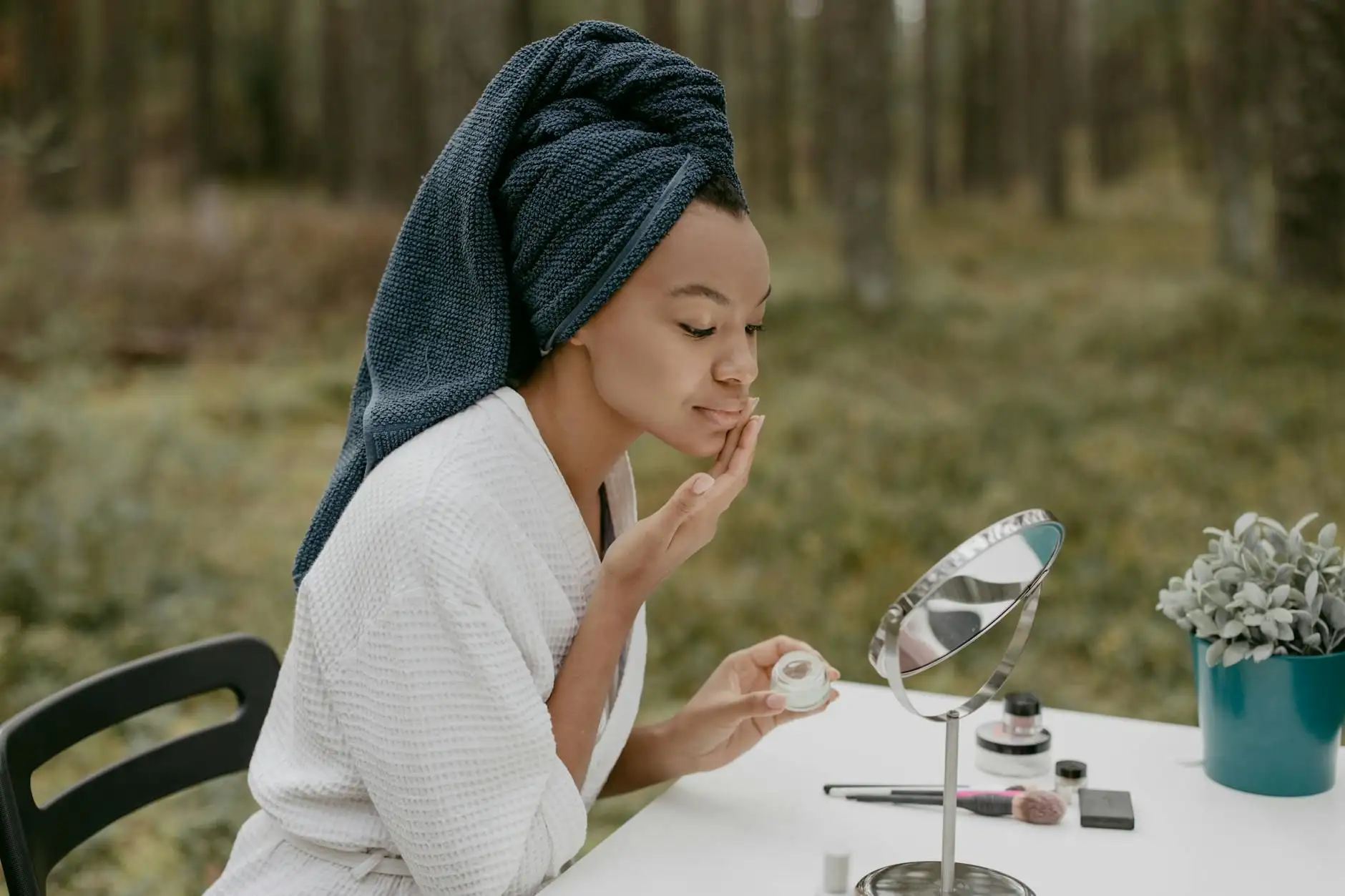
Is CBD authorised in cosmetics in France?
The European Commission's CosIng database is the official inventory of authorised cosmetic ingredients. CBD was listed there in February 2021, under the designations "Cannabidiol" and "Cannabis sativa leaf extract". In 2024, the Commission extended that authorisation to hemp leaves for cosmetic use. The practical consequence: a CBD cosmetic falls under European regulation 1223/2009, and not under the more restrictive regime for food supplements (Novel Food).
Does CBD cross the skin barrier?
The skin is an effective barrier against the penetration of most molecules. CBD, being lipophilic, partially crosses the stratum corneum, with absorption localised in the superficial layers and no significant systemic passage at common cosmetic doses. That is why a topical application does not normally trigger a positive saliva screening for THC. The skin also has its own endocannabinoid system, with CB1 and CB2 receptors present on keratinocytes and cutaneous immune cells, which fuels scientific interest in this ingredient without demonstrating a clinical benefit.
What can (and cannot) brands say?
Cosmetic claims are governed by regulation 1223/2009. A CBD cosmetic may present itself as "moisturising", "soothing for sensitive skin" or a "care ritual". It may never, on the other hand, claim an "anti-inflammatory", "healing" or "pain-relieving" effect: such wording would amount to a therapeutic claim, reclassifying the product as a medicine and exposing the brand to penalties from the DGCCRF. In 2024-2025, more than 1,200 inspections found an infringement rate of about 15 %, relating mainly to these non-compliant claims.
How do you recognise a compliant CBD cosmetic?
Four points deserve checking before purchase. The THC content must stay below the acceptable contamination threshold. The full INCI list must appear on the label, with CBD designated as "Cannabidiol" or as a compliant hemp extract. Potential allergens (limonene, linalool, geraniol) must be listed above certain concentrations. Finally, the absence of cannabinoids banned since June 2024 (HHC, H4CBD, THCP and derivatives, classified as narcotics by the ANSM) must be documented by the seller on request. Our CBD buying guide sets out these criteria for every format.
Frequently asked questions
Can topical CBD make a saliva test positive?
Very unlikely with normal cosmetic use: the skin penetration of CBD is superficial and the systemic passage of THC (present only in traces) remains negligible. Take care in the event of heavy, repeated use over a large area.
Is there a recommended cosmetic dosage?
No European authority has set a threshold. CBD cosmetics on the market range from 0.5 % to 5 % CBD depending on their purpose, with no validated dose-effect relationship for topical uses.
Is CBD effective against eczema or acne?
No European authority recognises such effectiveness, and any claim of this kind is prohibited. Preliminary studies exist on cutaneous inflammatory pathways, but they remain insufficient. Consult a dermatologist if you have a condition.
Can pregnant women use a CBD cosmetic?
The precautionary principle applies: in June 2025 ANSES proposed classifying CBD as presumed toxic for reproduction. Even with low skin absorption, the advice of a healthcare professional is recommended.
Written by the Phytogrammes team
Every article in this journal draws on primary sources (ANSM, EFSA, EUR-Lex, peer-reviewed publications) and on the lab's own practice: batch-by-batch HPLC analyses, measured cannabinoid profiles. Our approach.
Article published on . CBD is not a medicine.
Phytogrammes products that pair well
Further reading
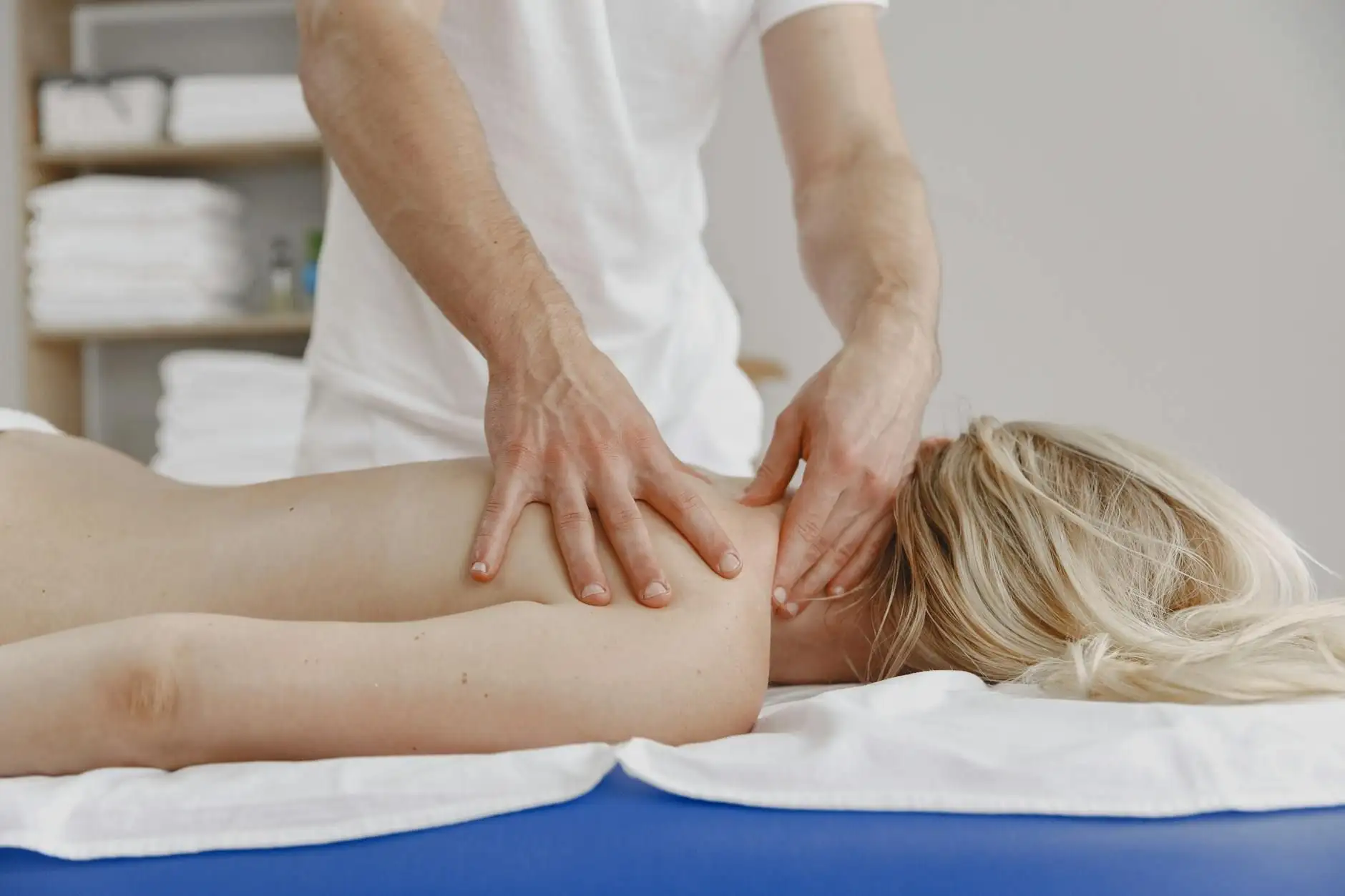
cbd-topique·18 May 2026
CBD massage cream for the lower back: understanding the formulation
What ingredients go into a CBD massage cream for the lower back, and what does French law say about this type of cosmetic?
cbd-debutant·18 May 2026
CBD for beginners: 20 essential questions in France (2026)
Legality, dosage, effects, saliva testing, novel food: clear answers to the questions asked by new CBD users in France.
cbd·18 May 2026
What does CBD mean? Definition, origin and status in France
Definition of cannabidiol (CBD), how it differs from THC and medical cannabis, and the French legal framework applicable to wellbeing CBD in 2026.