← Journal/18 May 2026·7 min de lecture
What does CBD mean? Definition, origin and status in France
Par The Phytogrammes team ·
CBD is the abbreviation of cannabidiol, one of the main compounds naturally present in hemp (Cannabis sativa L.). Non-psychoactive, it is distinct from THC and is the subject in France of an authorised commercial framework for wellbeing, provided the finished product contains ≤ 0.30 % THC, according to the ruling of the [Conseil d'État](https://www.legifrance.gouv.fr/ceta/id/CETATEXT000045075769/) of 29 December 2022.
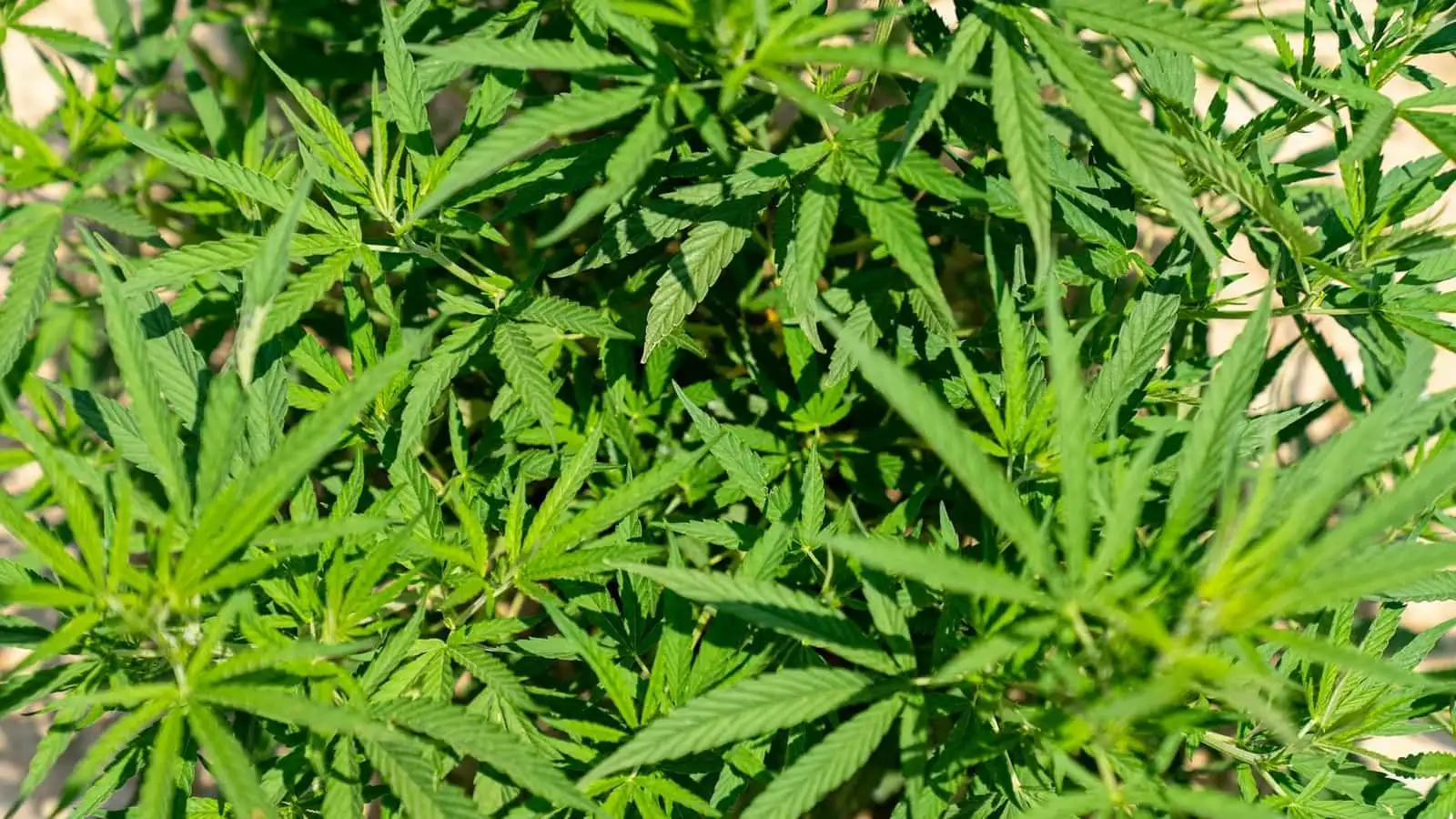
The term « CBD » appears everywhere: in shops, in pharmacies, in the health press. This article clarifies what the word covers, where it comes from and how it fits into the French legal framework.
Definition: what the acronym means
CBD stands for cannabidiol. It is a cannabinoid, that is, a molecule produced by the hemp plant (Cannabis sativa L.). Cannabidiol was isolated for the first time in 1940 by the American chemist Roger Adams, and its structure was then described in 1963 by the Israeli team of Raphael Mechoulam, who also isolated THC the following year.
Hemp produces more than a hundred distinct cannabinoids. The two best known, CBD and THC, share a close chemical structure but act differently on the nervous system.
The fundamental difference between CBD and THC
| Criterion | CBD (cannabidiol) | THC (delta-9-tetrahydrocannabinol) |
|---|---|---|
| Psychoactive effect | No | Yes |
| French status (wellbeing) | Authorised if finished product ≤ 0.30 % | Narcotic (Public Health Code) |
| Roadside saliva test | Not directly detected | Detected; penalty under the Highway Code |
| Medical use | Off-label (except Epidyolex®) | Medical cannabis on hospital prescription |
THC is classified as a narcotic by the Public Health Code. CBD is not, but its commercial status depends on the THC threshold in the finished product.
The French regulatory history of CBD
The commercial status of CBD in France was built in four stages:
- 19 November 2020: the Court of Justice of the European Union, in its Kanavape ruling (C-663/18), held that a member state cannot prohibit the marketing of CBD lawfully produced in another member state.
- 30 December 2021: an interministerial order attempted to ban the sale of raw flowers and leaves.
- 24 January 2022: the Conseil d'État suspended that ban in interim proceedings.
- 29 December 2022: the Conseil d'État definitively annulled the ban (decision no. 444887), on the grounds that CBD at ≤ 0.30 % THC does not present a health risk justifying a general prohibition.
Since then, the marketing of CBD products (flowers, oils, cosmetics, e-liquids) has been authorised subject to conditions on variety and THC content. The MILDECA maintains an official information page.
Three fields not to be confused
Wellbeing CBD. An everyday consumer product derived from industrial hemp, sold in shops, without prescription and without any recognised therapeutic indication.
Medical cannabis. A cannabis-based medicine (often containing THC), prescribed by a hospital doctor within precise indications (neuropathic pain, drug-resistant epilepsies, MS spasticity, oncology, palliative care). The French 2021-2024 trial has entered a phase of generalisation notified in March 2025 by the ANSM.
Recreational cannabis. Still prohibited in France. Possession and consumption are penalised under article L.3421-1 of the Public Health Code.
Cannabinoids prohibited since 2024
To clear up the market, several synthetic or semi-synthetic cannabinoids have been classified as narcotics by the ANSM:
- HHC (hexahydrocannabinol) and its derivatives HHC-O, HHC-P: order of 11 June 2023.
- H4CBD, H2CBD, HHCPO, THCP, THCA, 10-OH-HHC: ANSM order published in the Journal officiel on 3 June 2024.
These molecules are prohibited for sale and consumption. A product labelled CBD must under no circumstances contain them.
CBD and cosmetics
Pure CBD has been listed since February 2021 in the European Commission's CosIng database (Cosmetic Ingredients Database). The Commission also authorised the use of hemp leaves in cosmetics in 2024. This allows the free marketing of CBD balms, topical oils and serums, with no specific dosage restriction.
The French CBD market in 2026
The French market represents around 2,000 physical shops in 2024-2025, after a peak of more than 2,500 shops in 2023. Sector turnover is estimated at between 850 million and 1.2 billion euros depending on the source. E-commerce accounts for 35 to 40 % of sector turnover.
Key points
- CBD = cannabidiol, a hemp molecule, non-psychoactive
- Different from THC (a narcotic) and from medical cannabis (prescription)
- Legal in France if the finished product is ≤ 0.30 % THC (Conseil d'État ruling of 29 December 2022)
- Cannabinoids prohibited since 2024: HHC, H4CBD, THCP, HHCO
- Listed in CosIng for cosmetic use since February 2021
- No therapeutic claim authorised by the DGCCRF
Frequently asked questions
Is CBD a drug?
No. CBD is not classified as a narcotic by the French Public Health Code, unlike THC. It has no psychoactive effect and does not cause any state of intoxication.
What is the difference between hemp and cannabis?
The word « cannabis » designates the botanical genus. « Hemp » is the common name given to varieties grown for industrial and food purposes, with a low THC content (≤ 0.30 % in the finished product in France).
Can CBD make a saliva test positive?
A saliva test detects THC, not CBD. However, full-spectrum CBD products contain legal traces of THC that can be enough to trigger a positive test at the wheel, according to the Cour de cassation ruling of 21 June 2023.
Is CBD reimbursed?
No. Wellbeing CBD is not a medicine and is not reimbursed by the French health insurance system. Only Epidyolex® (pharmaceutical CBD for rare epilepsies) holds a marketing authorisation.
What is the difference between CBD and food-grade hemp?
Hemp seeds, seed oil and flour contain no CBD (or very little). They are sold as foods. Oils described as « CBD » are enriched with cannabidiol extracted from the plant.
CBD is not a medicine. In the event of a condition or a persistent symptom, consult a healthcare professional.
To explore our wellbeing selection, [see our catalogue](/categorie-produit).
Sources
Written by the Phytogrammes team
Every article in this journal draws on primary sources (ANSM, EFSA, EUR-Lex, peer-reviewed publications) and on the lab's own practice: batch-by-batch HPLC analyses, measured cannabinoid profiles. Our approach.
Article published on . CBD is not a medicine.
Phytogrammes products that pair well
Further reading
cbd·18 May 2026
What is CBD? Definition and the French framework
Cannabidiol (CBD) is one of the main cannabinoids in hemp, and is non-psychoactive. Definition, origin and legal status in France in 2026.
cbd·18 May 2026
What can be said about CBD in France? Framework, uses and limits
Between what the market claims, what science suggests and what the law allows anyone to assert, an honest look at wellness CBD in France.
cbd-sport·18 May 2026
CBD and golf — a post-round recovery ritual
Golf loads the back, shoulders and forearms. How to build CBD into a recovery routine, within the French and anti-doping frameworks.