← Journal/18 May 2026·4 min de lecture
What can be said about CBD in France? Framework, uses and limits
Par The Phytogrammes team ·
In France, no therapeutic or health claim has been validated for wellness CBD. Brands are legally bound to non-therapeutic wording. Consumer surveys document self-reported uses (relaxation, an evening routine, muscle comfort) that remain personal preferences, not clinically validated effects.

The legal framework: what France prohibits
European regulation EC No 1924/2006 on health claims, combined with article L.5111-1 of the French public health code, strictly frames what a CBD brand may say: no therapeutic claim ("cures", "treats"), no health claim ("contributes to normal sleep"), no pharmacological claim ("anti-inflammatory"). Any brand crossing those lines risks having its product reclassified as a medicine by presentation, which carries criminal penalties. The DGCCRF actively polices these claims: in 2024, around 15 % of the products inspected were non-compliant, largely because of wording of this kind.
What French consumers report
The IFOP 2022 survey and several industry polls document self-reported reasons for use: a search for relaxation, an evening routine, muscle comfort, a personal pause. These figures describe motivations reported by consumers themselves, not effects proven in a clinical setting. A brand cannot use them to promise a future buyer a result.
What science can cautiously say
Several international clinical trials have explored CBD across different indications, but the literature remains heterogeneous: small samples, a lack of double-blind replication, highly variable dosing, limited follow-up over time. On that basis, neither EFSA, nor ANSM, nor HAS has validated any health claim for wellness CBD. On 9 February 2026 EFSA even set an extremely low provisional safe daily intake (0.0275 mg/kg/day, roughly 2 mg a day for 70 kg), with an uncertainty factor of 400. ANSES, for its part, proposed in 2025 that CBD be classified as presumed toxic for reproduction.
What the commercial framework allows
Since the Conseil d'État ruling of 29 December 2022, CBD products containing no more than 0.30 % THC can be sold in France: flowers and resins, sublingual oils reclassified as cosmetics, cosmetics listed in CosIng since February 2021, e-liquids under the TPD. Ingestible foods and drinks, by contrast, have been subject to a phased withdrawal since 15 May 2026 (the Novel Food regime). The cannabinoids HHC, H4CBD, THCP and their derivatives have been banned since 2024, classified as narcotics by ANSM. Wellness CBD must never be confused with medical cannabis, a prescription medicine dispensed under hospital supervision for five specific indications. Our guide to dosing sets out the common reference points for use.
Approaching wellness CBD with measure
A few sensible principles: treat CBD as a wellness routine rather than a treatment, keep a stable 4- to 6-week observation window to judge what it brings, ask for medical advice in the event of any illness or ongoing treatment, and always check the quality of the product through its certificate of analysis.
Frequently asked questions
Why don't brands say clearly what CBD does?
Because French law forbids them any therapeutic or health claim. The vocabulary is limited to the wellness routine, on pain of DGCCRF penalties.
What should I look for in a CBD product if no effect can be promised?
Quality via the certificate of analysis, traceable origin, a compliant THC level, and a clear dose in milligrams rather than a vague percentage.
Can CBD be used alongside medical treatment?
Not without medical advice. CBD interacts with the CYP3A4 and CYP2C19 cytochromes, which are involved in many medicines. A conversation with your doctor or pharmacist is essential.
Is any CBD reimbursed in France?
Only Epidyolex®, a pharmaceutical cannabidiol available on prescription for rare epilepsies, holds a marketing authorisation and is reimbursed. No wellness CBD is reimbursed.
Written by the Phytogrammes team
Every article in this journal draws on primary sources (ANSM, EFSA, EUR-Lex, peer-reviewed publications) and on the lab's own practice: batch-by-batch HPLC analyses, measured cannabinoid profiles. Our approach.
Article published on . CBD is not a medicine.
Phytogrammes products that pair well
Further reading
cbd-sport·18 May 2026
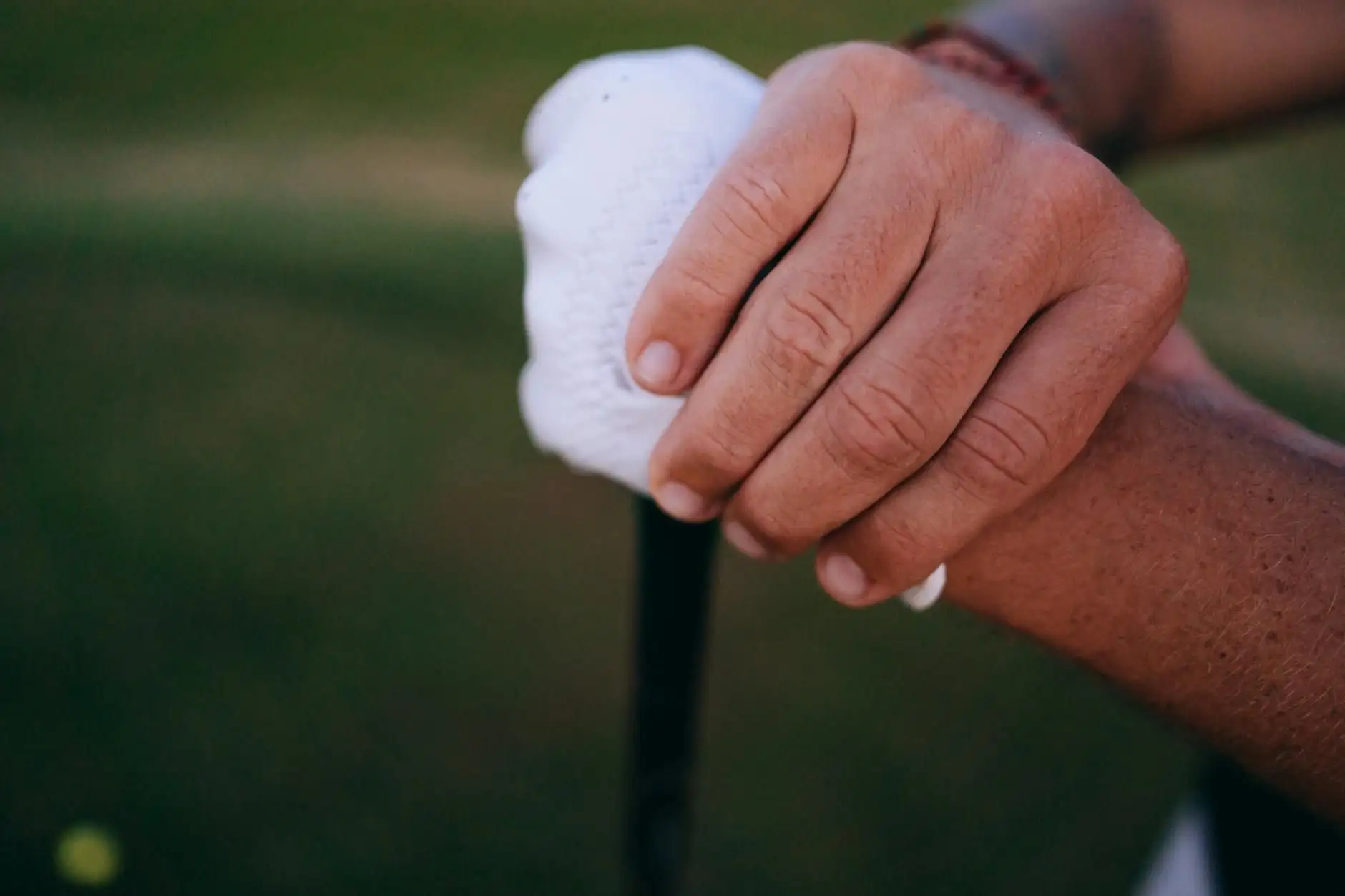
CBD and golf — a post-round recovery ritual
Golf loads the back, shoulders and forearms. How to build CBD into a recovery routine, within the French and anti-doping frameworks.

cbd-et-sommeil·18 May 2026
CBD and sleep: what science really says in 2026
No \"CBD helps you sleep\" claim is validated in France. Here are the available studies, the EFSA position and the real legal framework.
cbd·18 May 2026
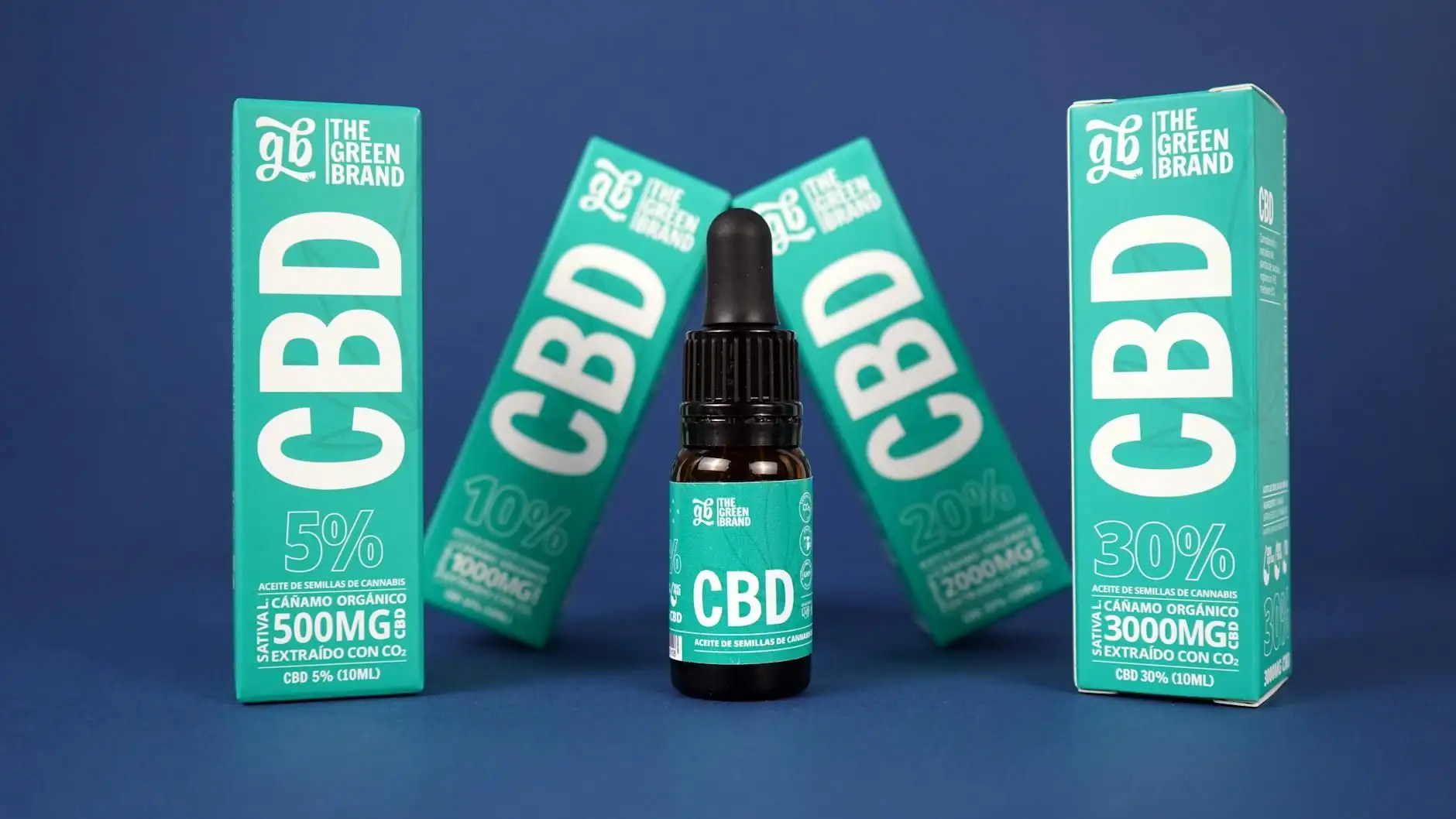
What is broad-spectrum CBD? Definition and uses
Broad spectrum keeps the minor cannabinoids and terpenes of hemp but removes the THC. Here is what it offers, where its limits lie and what French law allows.