← Journal/8 July 2026·4 min de lecture
CBD and Novel Food: the state of play in July 2026, two months after ingestible products were withdrawn
Par The Phytogrammes team ·
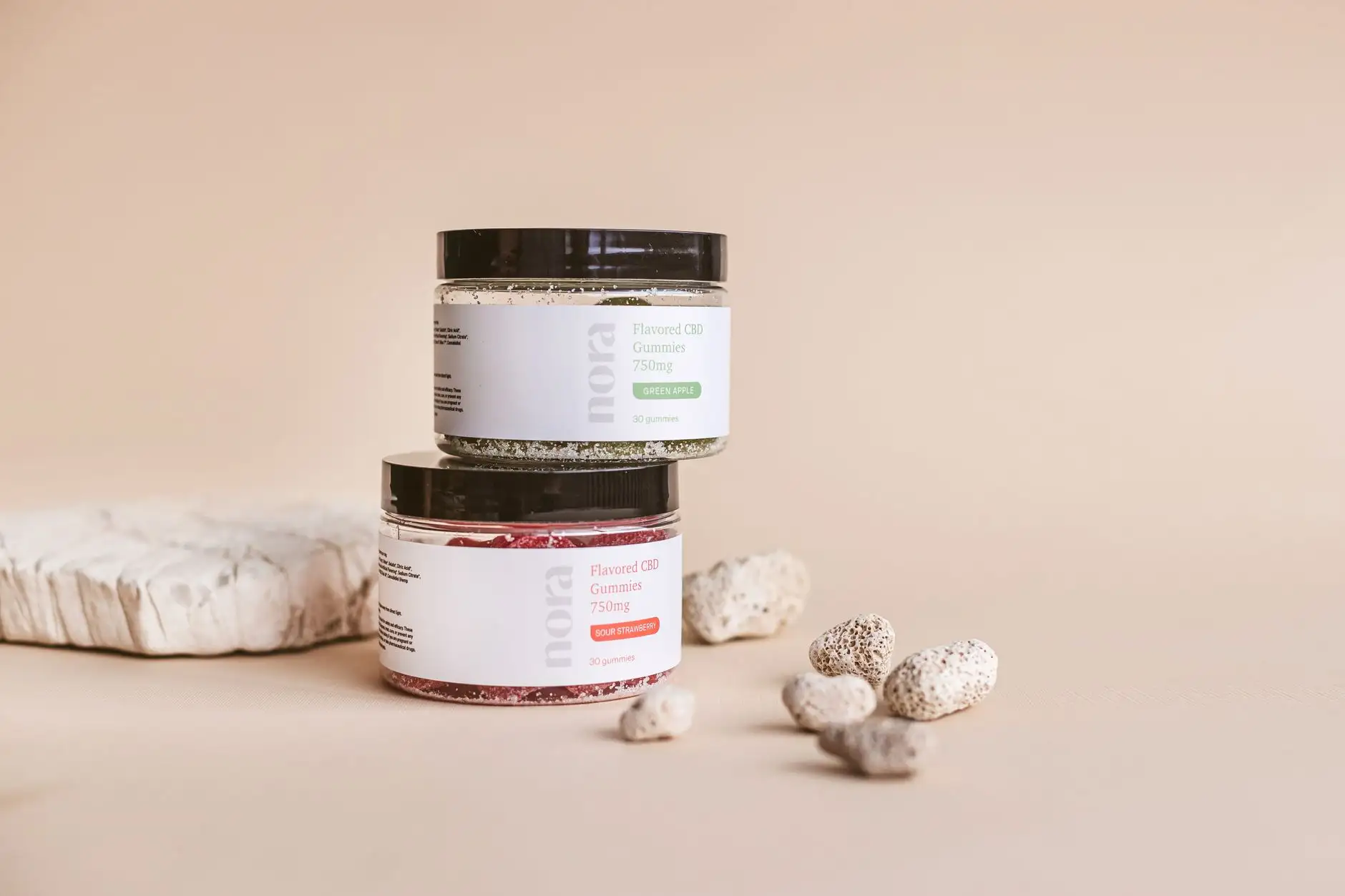
Since 15 May 2026, strict application of the European "Novel Food" regulation has removed ingestible CBD products from the French market, edible oils, gummies, infusions, for want of European authorisation. Two months on, the landscape has settled: flowers, resins, cosmetics and vaping products remain legal, enforcement is being organised, and the scientific dossier is moving forward in Brussels.
Recap: what happened on 15 May
Regulation (EU) 2015/2283 requires prior authorisation for any "novel food", that is any foodstuff whose human consumption was negligible in the Union before May 1997. CBD added to foodstuffs falls into this category, and no authorisation has yet been granted to date.
France announced its DGAL control plan on 15 April 2026, for application from 15 May 2026: since that date, CBD products intended for ingestion have been withdrawn from the market. We set out the full mechanism, the products concerned and the legal framework in our guide to CBD regulation in France in 2026, which remains the reference for understanding the switch.
Two months on: what we are seeing
- The withdrawal is effective in retail. Edible oils, gummies and CBD infusions have left the shelves of retailers that comply with the framework; products still offered for ingestion are non-compliant.
- The shift in demand towards legal formats is clear. Flowers, resins, non-food extracts, cosmetics and vaping products, which are not covered by Novel Food, remain available and now account for the bulk of the market.
- The issue is procedural, not one of safety. The withdrawal does not rest on any newly identified danger: it penalises the absence of authorisation, pending the European assessment.
- Enforcement is taking shape. The DGCCRF and the DGAL have a framework for checks in shops and online; a seller still offering an edible oil or a CBD gummy is exposed to a compliance notice, and possibly to penalties.
Where the European scientific dossier stands
EFSA froze the assessment of CBD dossiers in 2022 for lack of sufficient data on liver, nervous and reproductive effects. In February 2026, the authority took a step forward by publishing a provisional safe level for cannabidiol as a novel food, a milestone towards possible authorisations, not an authorisation in itself. Until a dossier is formally authorised by the Commission, ingestible products remain off the market.
What this changes, and does not change, for you
What remains legal in France in July 2026:
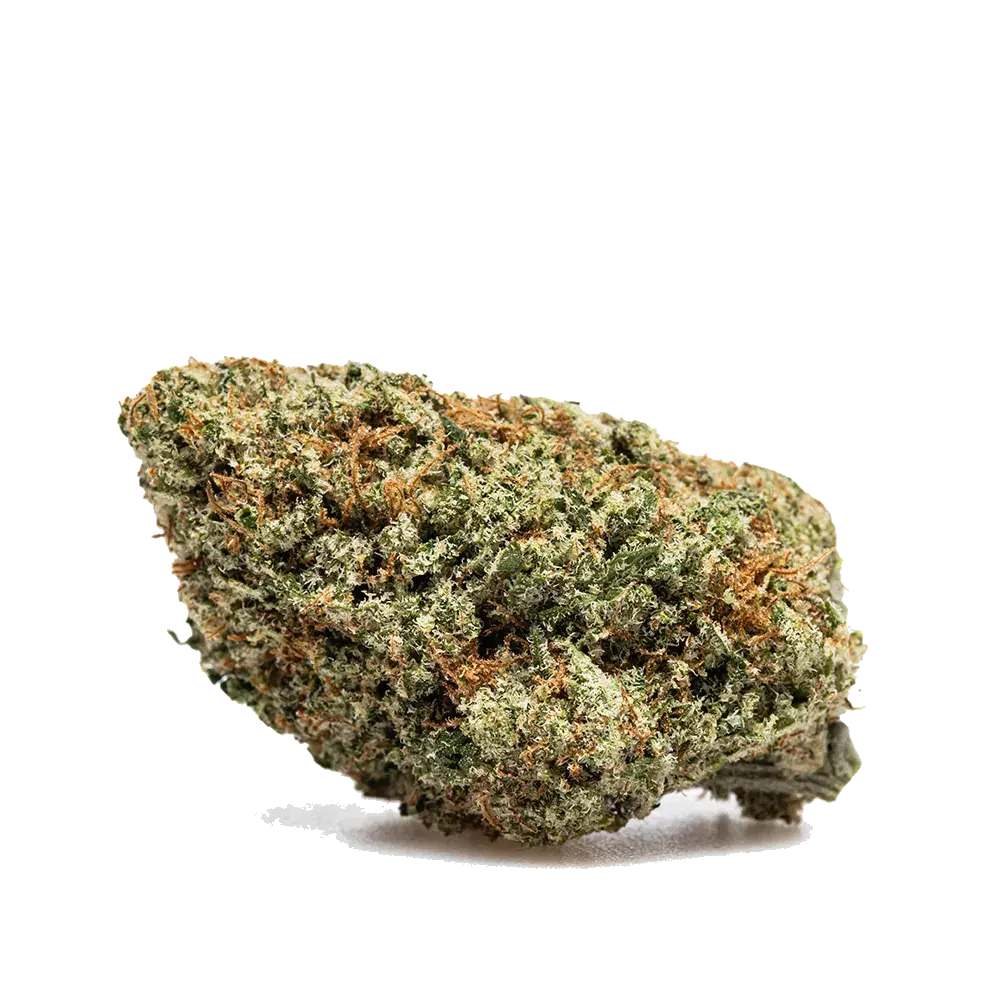
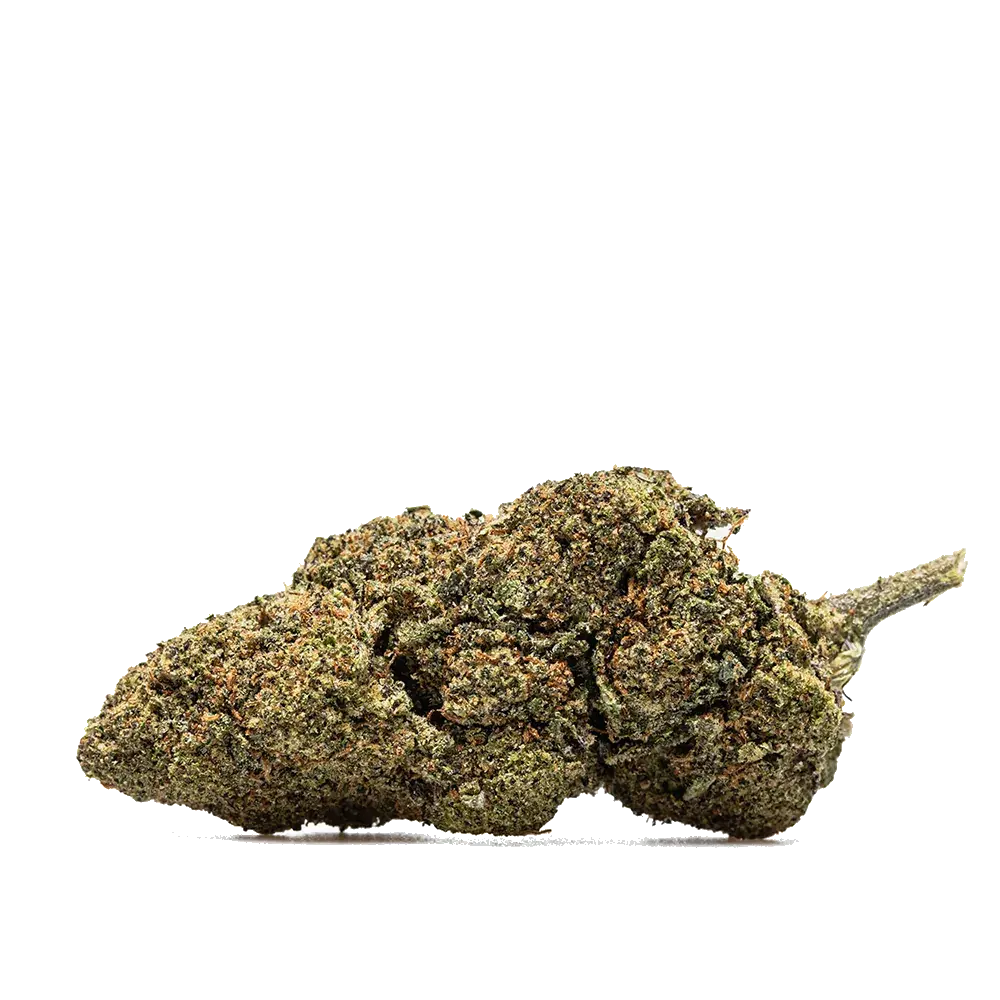
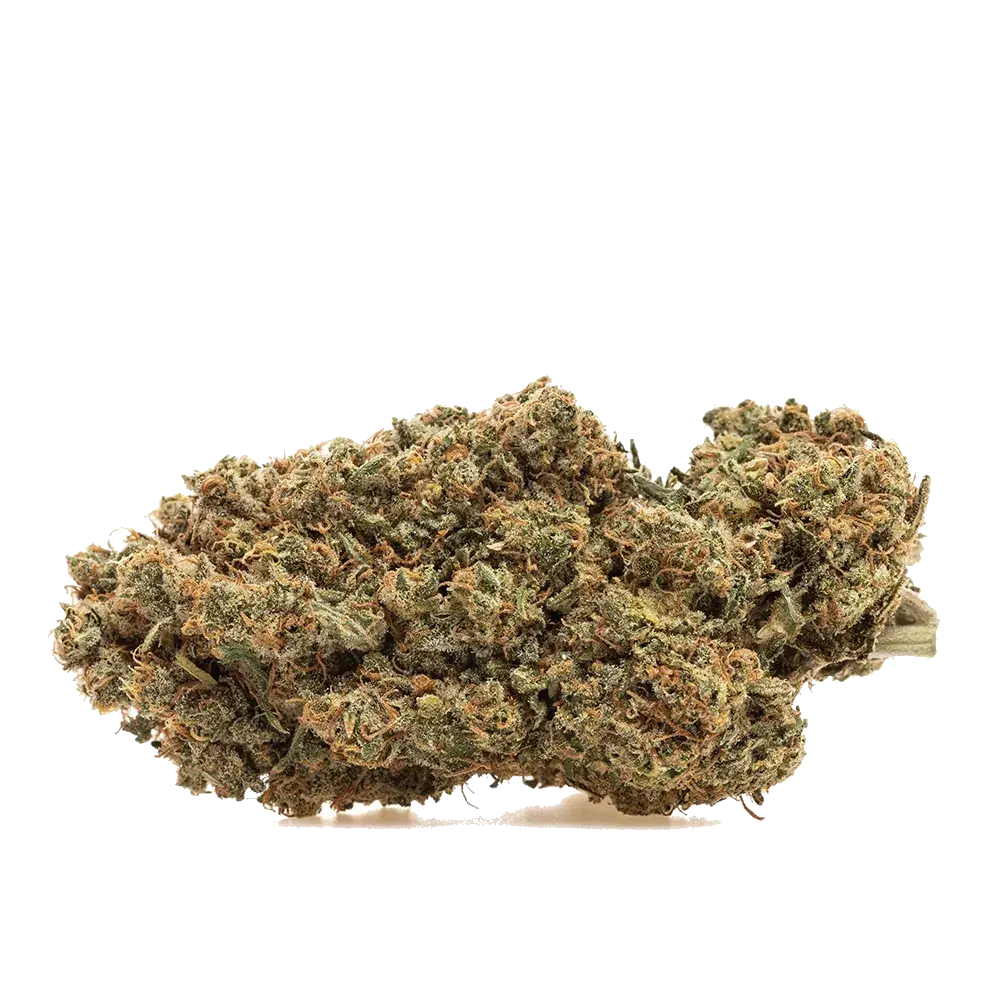
- CBD flowers and resins from authorised hemp varieties, with a THC content below 0.30%, the framework set by the CJEU (Kanavape judgment, 19 November 2020) and the Conseil d'État (29 December 2022) has not changed.
- CBD cosmetics and vaping products, which do not fall under the Novel Food regulation.
What has been withdrawn: any ingestible foodstuff containing added CBD, edible oils, gummies, sweets, infusions prepared as foods.
Our catalogue has never rested on food formats: the flowers, resins and extracts from the laboratory are analysed batch by batch by HPLC and remain fully within the framework. If you come across products that get round the ban with substitute molecules, our article on synthetic cannabinoids explains why they should be avoided.
Frequently asked questions
Are CBD oils banned throughout Europe?
The Novel Food regulation is European, but its application is a matter for each member state. France opted for strict application from 15 May 2026; the timetable and the intensity of enforcement vary from country to country.
Can I still buy CBD flowers and resins?
Yes. Flowers, resins, non-food extracts, cosmetics and vaping products are not covered by the Novel Food regulation and remain legal in France, within the 0.30% THC limit.
When will ingestible products come back?
When a dossier is formally authorised at European level. EFSA's publication of a provisional safe level in February 2026 is a step in that direction, with no official authorisation timetable to date.
What does a trader risk by still selling an edible CBD oil?
A compliance notice, withdrawal of the product, and possibly administrative penalties from the DGCCRF in the event of repeated failings. Consumers themselves risk nothing for having bought such a product before 15 May 2026.
Written by the Phytogrammes team
Every article in this journal draws on primary sources (ANSM, EFSA, EUR-Lex, peer-reviewed publications) and on the lab's own practice: batch-by-batch HPLC analyses, measured cannabinoid profiles. Our approach.
Article published on . CBD is not a medicine.
Phytogrammes products that pair well
Further reading
cbd-endometriose·5 June 2026
CBD and endometriosis: what the research really says in 2026
Encouraging preclinical signals, a promising first post-surgery trial: research is moving forward, without yet establishing CBD as a validated treatment.
cbd-et-foie·5 June 2026
CBD and the liver: hepatic enzymes, interactions and thresholds for caution
The liver signal for CBD is real but dose-dependent. Here is why medicinal doses bear no relation to everyday consumption.
réglementation·5 June 2026
CBD regulation in France in 2026: what changes, what stays legal
Since 15 May 2026, ingestible CBD products have been banned under the Novel Food regulation. Still legal: CBD flowers, resins and cosmetics. A clear overview.