← Journal/18 May 2026·4 min de lecture
CBD and occasional difficult nights: what science says in France
Par The Phytogrammes team ·
The occasional sleepless night is almost universal: the INSV 2025 survey shows that 43% of French people report sleep problems. CBD does not cure insomnia, but it can fit into an evening routine alongside the pillars validated by the HAS: sleep-wake hygiene, stress management and light exposure.
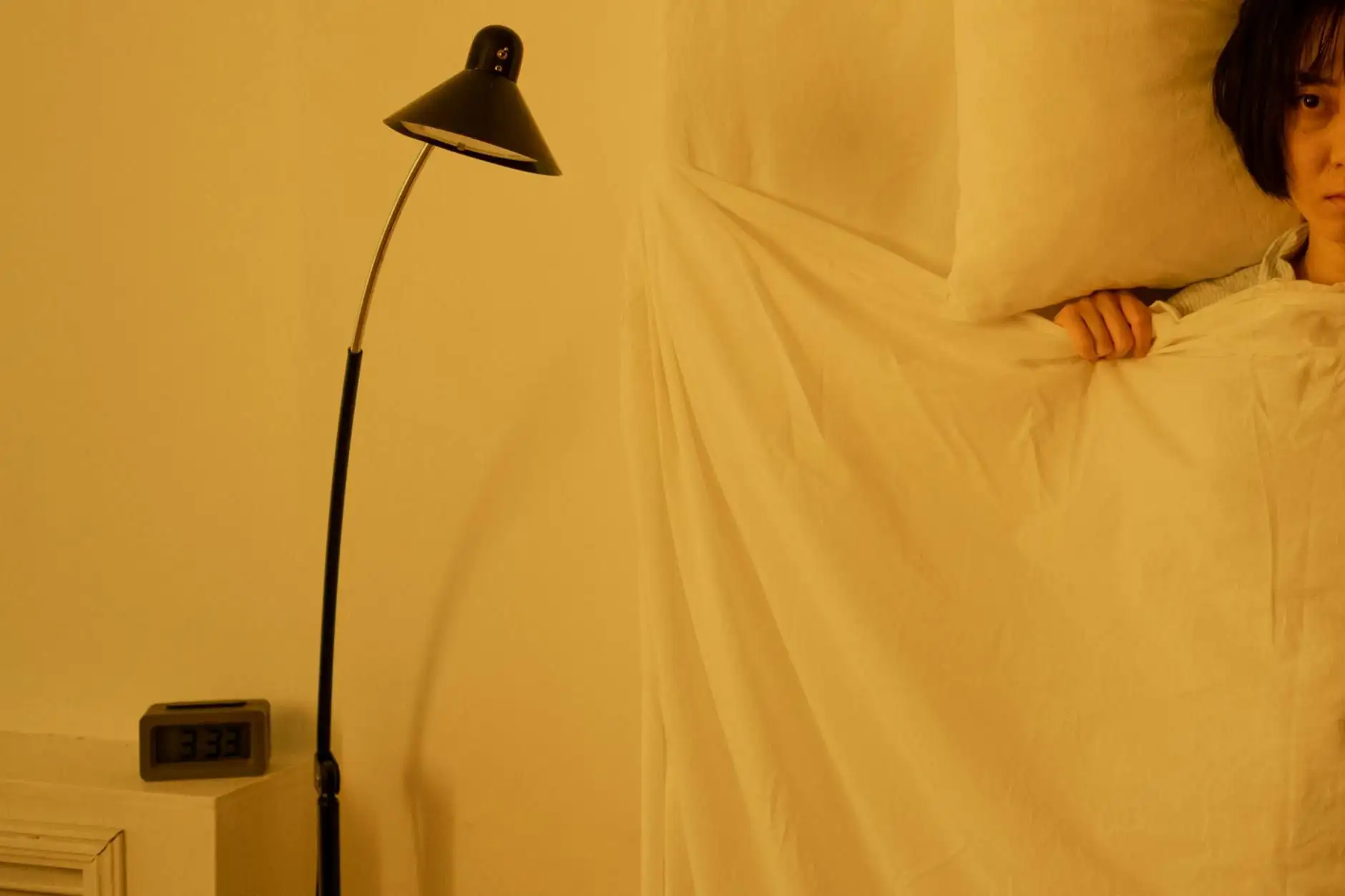
Why difficult nights happen from time to time
A disturbed night almost never has a single cause. Four factors come up consistently in French surveys and in the recommendations of the HAS on insomnia.
Acute stress. A work presentation, an argument, bad news: the cortisol released delays sleep onset and fragments deep sleep. According to the INSV 2025 survey, stress is cited by 53% of French people as the leading cause of bad nights.
Caffeine, whose half-life reaches five to six hours in a healthy adult. A cup at 4 p.m. still leaves a significant blood concentration at 10 p.m.
Irregular hours. Shifting bedtime by more than two hours between weekdays and the weekend produces an effect comparable to mild jet lag.
Underlying anxiety, to be distinguished from acute stress. If it persists beyond three weeks, it calls for a medical assessment.
What the HAS says about occasional insomnia
The HAS decision of 11 July 2024 confirms a three-step strategy: first sleep hygiene (stable hours, a cool bedroom, avoiding screens, limiting caffeine and alcohol), then cognitive behavioural therapy for insomnia (CBT-I) in cases of chronic insomnia, and medication only as a last resort.
CBD appears in none of these steps. It is neither a medicine nor a validated therapy. At best it can fit into the first pillar, as one element of an evening ritual, in the same way as a herbal tea or a book.
How CBD is studied for evening calm
CBD is a non-intoxicating cannabinoid from hemp, which research hypotheses describe as interacting with the endocannabinoid system, involved in regulating the sleep-wake cycle. The clinical literature remains preliminary and heterogeneous: one frequently cited observational study (Shannon et al., Permanente Journal, 2019) followed 72 adults, with 67% reporting an improvement in their sleep scores after a month, but without a control group.
That is why the EFSA has validated no health claim for CBD, and why no French brand may state that it improves sleep.
The formats used in an evening ritual
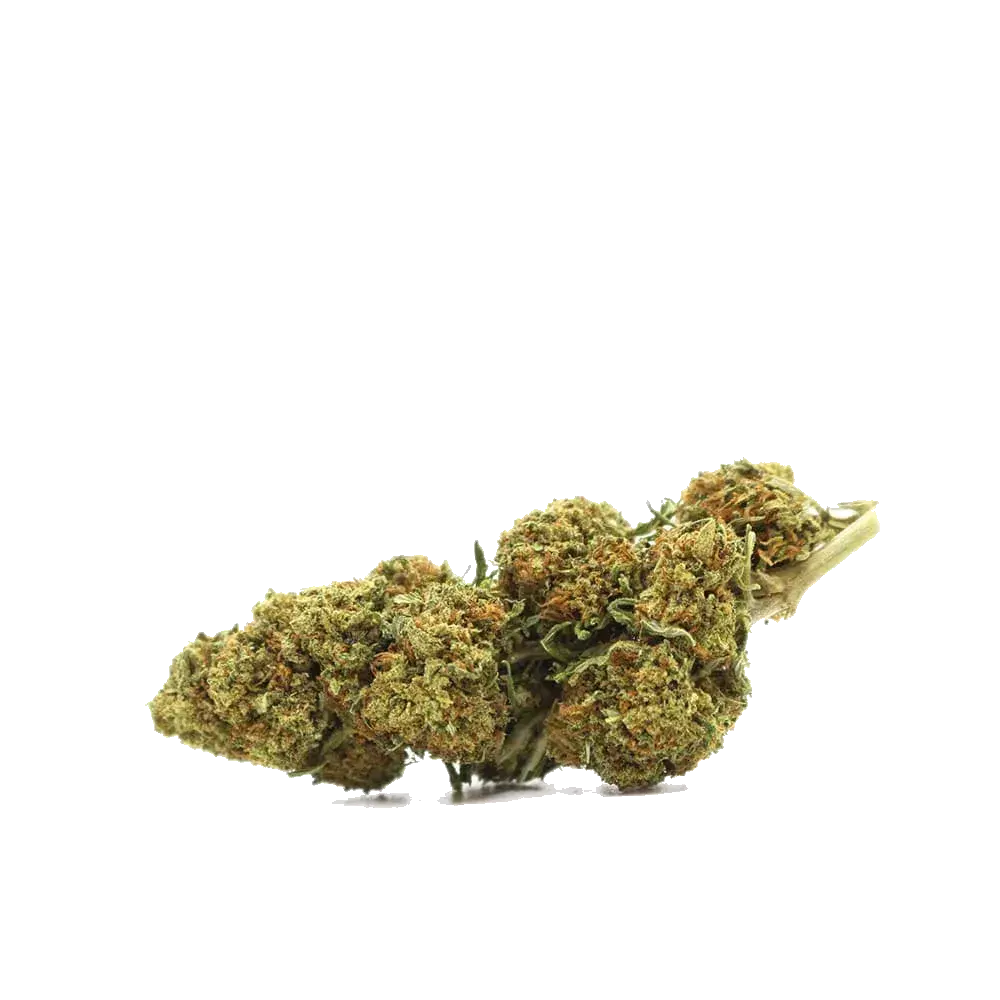
Sublingual oil, held for 60 to 90 seconds under the tongue, gives a more rapid perceived effect (20 to 40 minutes). Gummies or capsules, more convenient, delay the perceived effect (60 to 90 minutes). Vaporised flower or resin acts quickly (5 to 15 minutes) but for less time; low-temperature vaporising remains preferable to combustion.
Whatever the format, choose a product that comes with a certificate of analysis: verified CBD content, absence of banned cannabinoids, THC below 0.30%. Our buying guide for CBD in France sets out these criteria. On how much to try, see our benchmarks for CBD dosage: no French authority recommends an official dose, so building up gradually remains the rule.
Precautions and at-risk groups
Several groups should be excluded or should seek medical advice: pregnant or breastfeeding women, minors, people on medication (CBD modulates the CYP3A4 and CYP2C9 enzymes and may interact with anticoagulants, antiepileptics and psychotropics), and drivers, since a full-spectrum product may trigger a positive saliva test for THC.
If your nights remain difficult for more than three weeks, or if daytime sleepiness becomes overwhelming, consult a healthcare professional. Chronic insomnia benefits from structured care (CBT-I, medical follow-up), not from a wellbeing product.
Frequently asked questions
Is CBD a sleeping pill?
No. CBD does not have the mechanism of action of benzodiazepines or zolpidem. No French authority has recognised any sedative effect for CBD.
How long before the effect is felt?
With sublingual oil, between 20 and 40 minutes. With a gummy or capsule, more like 60 to 90 minutes. The effect varies greatly from one person to another.
Does CBD cause habituation?
No clinical data documents dependence or tolerance to CBD at the usual doses. That is no reason not to keep use moderate and to reassess it regularly.
What if my difficult nights become frequent?
More than three difficult nights a week for more than three months matches the definition of chronic insomnia according to the HAS. See your doctor: CBT-I is effective, non-medicinal and progressively available in France.
Written by the Phytogrammes team
Every article in this journal draws on primary sources (ANSM, EFSA, EUR-Lex, peer-reviewed publications) and on the lab's own practice: batch-by-batch HPLC analyses, measured cannabinoid profiles. Our approach.
Article published on . CBD is not a medicine.
Phytogrammes products that pair well
Further reading

cbd-animal·18 May 2026
CBD for dogs in France: a considered buyer's guide
There is no veterinary marketing authorisation for CBD in France. Here is how to read a label, check a certificate of analysis and avoid products that put your dog at risk.
animaux·18 May 2026
CBD for dogs: what the French veterinary framework says
No veterinary marketing authorisation, THC toxic to dogs, unvalidated dosing: a review of CBD safety in dogs in France, with no therapeutic claim.

cbd·18 May 2026
When can you start assessing how you feel with CBD?
The recommended assessment window for wellbeing CBD, practical benchmarks for observing how you feel, and the limits of this approach within the French framework.