← Journal/18 May 2026·5 min de lecture
How to take CBD: oils, gummies and cosmetics
Par The Phytogrammes team ·
CBD is taken in three main ways: sublingually (oil under the tongue), orally (gummies, capsules, infusions) or applied to the skin (cosmetics, balms). Each format has its own kinetics and its own advantages. Since 15 May 2026, ingested products without Novel Food authorisation have been withdrawn from the French market.

How do you adjust the amount to how you feel?
Because the sensations reported by users are subjective, the usual practice is to start with a small amount, around 5 to 10 mg of CBD once or twice a day, then adjust gradually over two to four weeks. Keeping a logbook (time taken, how you felt, the following night's sleep) helps identify what suits you.
No therapeutic dosage is validated in France: this is wellness use, not a medical recommendation. On 9 February 2026 the EFSA published a provisionally safe daily dose of 0.0275 mg/kg/day, or roughly 2 mg for a 70 kg adult, applicable to food supplements.
The sublingual route, the original format
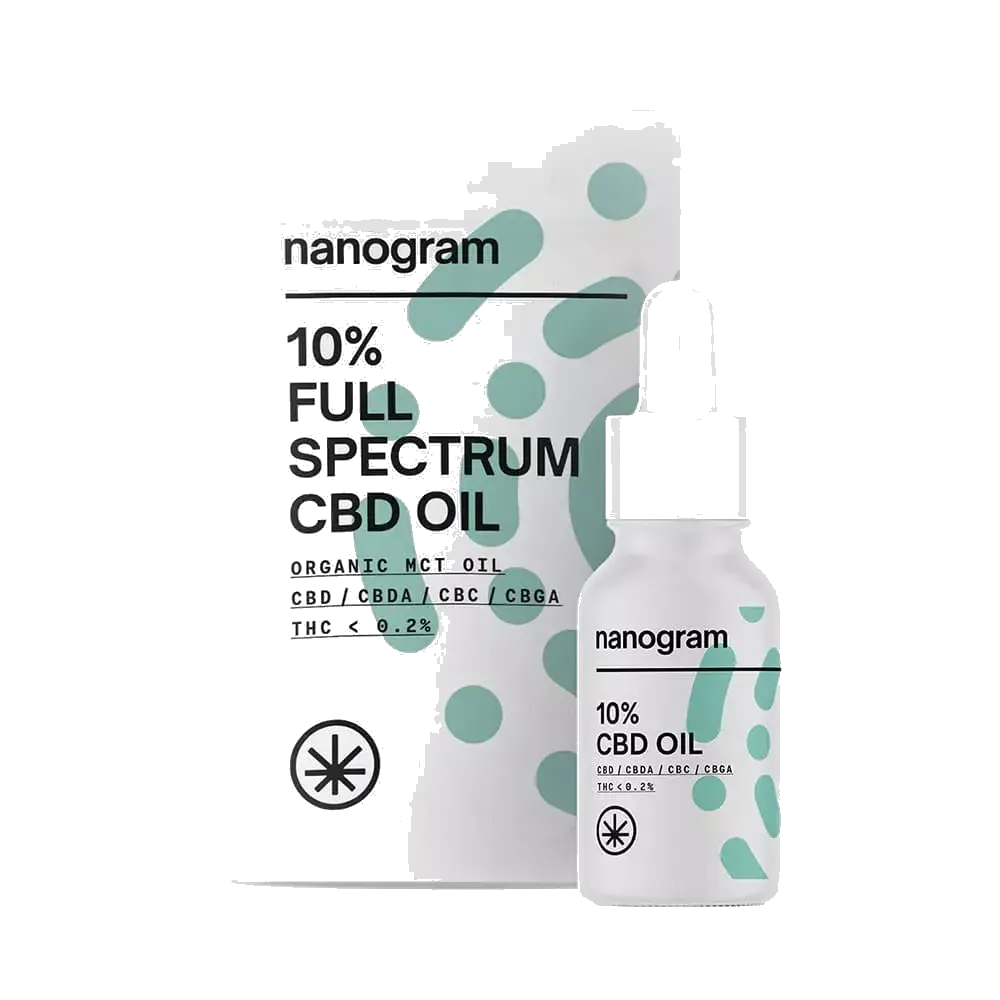
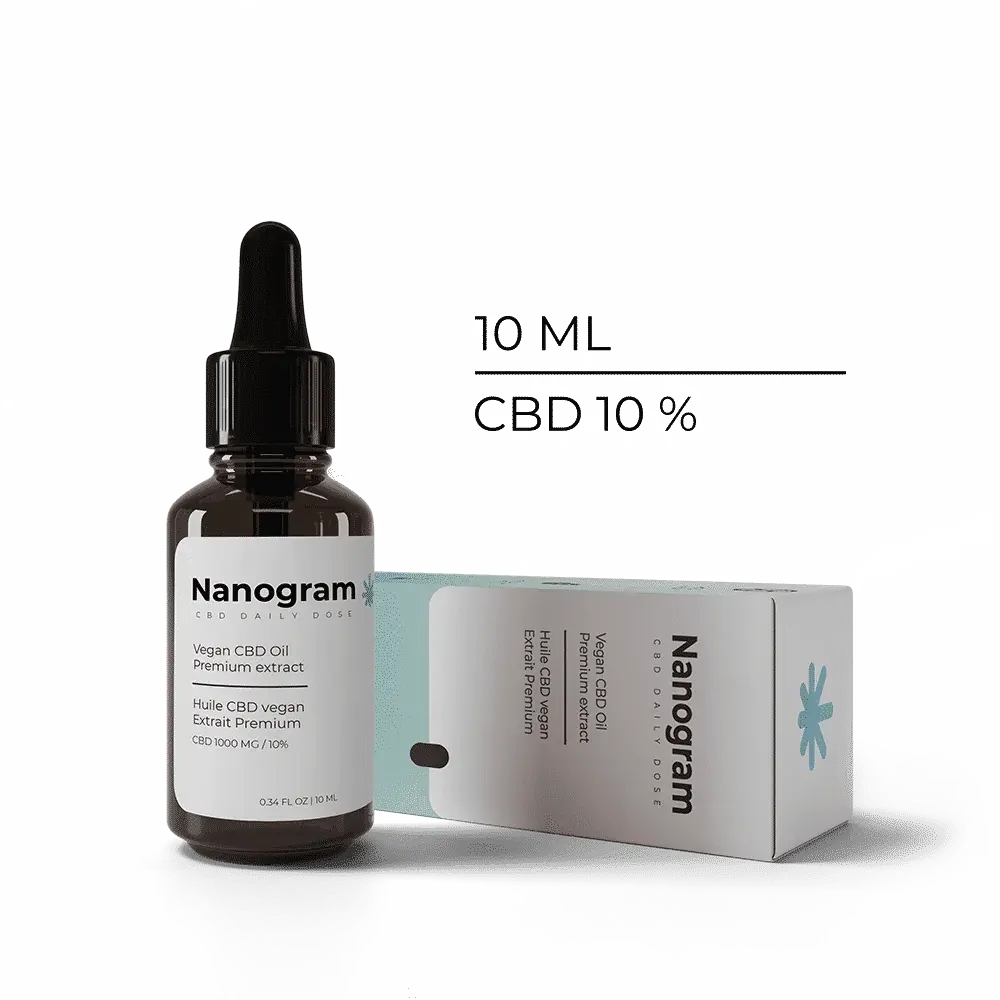
The principle: place the drops under the tongue, wait 60 to 90 seconds for absorption through the mucous membrane, then swallow. The effect, when it is felt, appears within 15 to 45 minutes, with a higher bioavailability than the oral route, since there is no first-pass liver metabolism.
The dose is set drop by drop, which makes this the most precise format for adjusting an amount gradually. In return, the taste can be pronounced with full-spectrum oils. Never touch the pipette with your tongue, and keep the bottle away from light.
The oral route: gummies, capsules and infusions
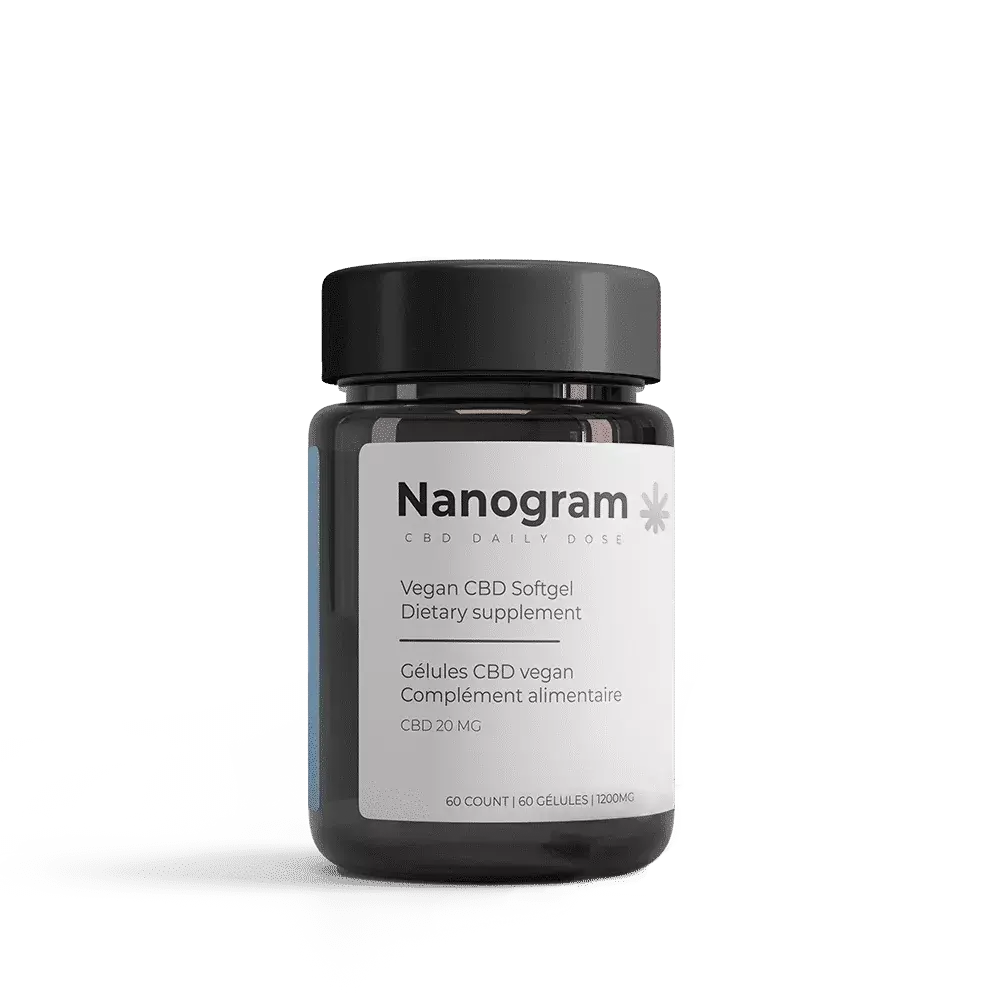
Gummies and capsules offer a precise, consistent dose, for example 10 mg of CBD per gummy. Digestive absorption delays the perceived effect, to between 60 and 120 minutes, but extends its duration.
Since 15 May 2026, the Direction générale de l'alimentation has strictly applied Novel Food Regulation (EU) 2015/2283: gummies, capsules and flower infusions without validated European authorisation are withdrawn from the market. Only infusions based on hemp leaves without buds may still be sold.
The topical route, the most stable segment
Pure cannabidiol has been listed since February 2021 in the European Commission's CosIng database, which makes CBD cosmetics legally more stable than ingested products. A cream, a balm or a cooling gel is applied as part of a massage or a skincare routine, for a local action with no significant systemic passage.
Avoid applying to mucous membranes, eyes or broken skin, and check the INCI list if you have sensitive skin. Our CBD cosmetics buying guide sets out the quality criteria to check before buying.
Which formats should be avoided?
Some common practices are inadvisable, or outright prohibited:
- Vaping a sublingual oil: formulated for oral use, it is not designed to be heated, with a risk of lipoid pneumonia.
- Cooking at high temperature: above 160 °C, CBD and terpenes degrade; it is better to infuse at the end of cooking, off the heat.
- Synthetic cannabinoids (HHC, H4CBD, THCP, delta-8): classified as narcotics by the ANSM orders of 2023 and 2024, with purchase and possession prohibited in France.
Precautions to be aware of
CBD use remains inadvisable for pregnant and breastfeeding women, women of childbearing age, minors and people on medical treatment, because of possible interactions with certain medicines (anticoagulants, antiepileptics, immunosuppressants). Medical advice is recommended in case of doubt.
Consuming full-spectrum oil, even within the legal threshold, can result in a positive saliva test at the wheel, as the Cour de cassation confirmed on 21 June 2023. Athletes subject to anti-doping controls should favour an isolate certified free of THC. CBD is not a medicine; in case of persistent symptoms, consult a healthcare professional.
Frequently asked questions
Should CBD be taken on an empty stomach or with a meal?
The oral bioavailability of CBD is better with a meal containing fats, because the molecule is fat-soluble. Sublingually, absorption goes through the oral mucous membrane, so the dietary context matters less.
How long does it take to feel an effect?
Allow 15 to 45 minutes sublingually, 60 to 120 minutes orally, and a few minutes for a local sensation with topical application. These timings remain variable from person to person.
Can several formats be combined?
Yes, for example a sublingual oil as a daily routine and a topical balm on a specific area. It remains sensible to keep track of the total amount absorbed systemically, against the provisional threshold set by the EFSA.
What if I notice nothing after two weeks?
Check the quality of the product (certificate of analysis, batch number), how regularly you take it and the concentration, then adjust the amount if needed. If nothing changes after four to six weeks of regular use, the format you have chosen may not suit your profile.
Written by the Phytogrammes team
Every article in this journal draws on primary sources (ANSM, EFSA, EUR-Lex, peer-reviewed publications) and on the lab's own practice: batch-by-batch HPLC analyses, measured cannabinoid profiles. Our approach.
Article published on . CBD is not a medicine.
Phytogrammes products that pair well
Further reading

sommeil·18 May 2026
How to fall asleep faster: the validated levers
Light, temperature, caffeine, evening ritual: the levers the INSV and the HAS regard as the most solid for shortening the time it takes to fall asleep.

utilisation-cbd·18 May 2026
How to use CBD: formats and daily rituals
Oils, gummies, cosmetics, vaping: a tour of the CBD formats available in France and what the 2026 framework has changed for each of them.

animaux·18 May 2026
Hemp supplements for pets: formats and framework
Oils, treats, balms: an overview of hemp supplement formats for animals, and of what the French veterinary framework actually allows.