← Journal/18 May 2026·4 min de lecture
What are terpenes? A simple guide for consumers
Par The Phytogrammes team ·
Terpenes are the aromatic molecules produced by most plants: hemp, lemon, lavender, pine. More than 200 have been identified in hemp. In a full-spectrum CBD product, they give the flower or the oil its smell, its taste and its sensory profile.
The short definition
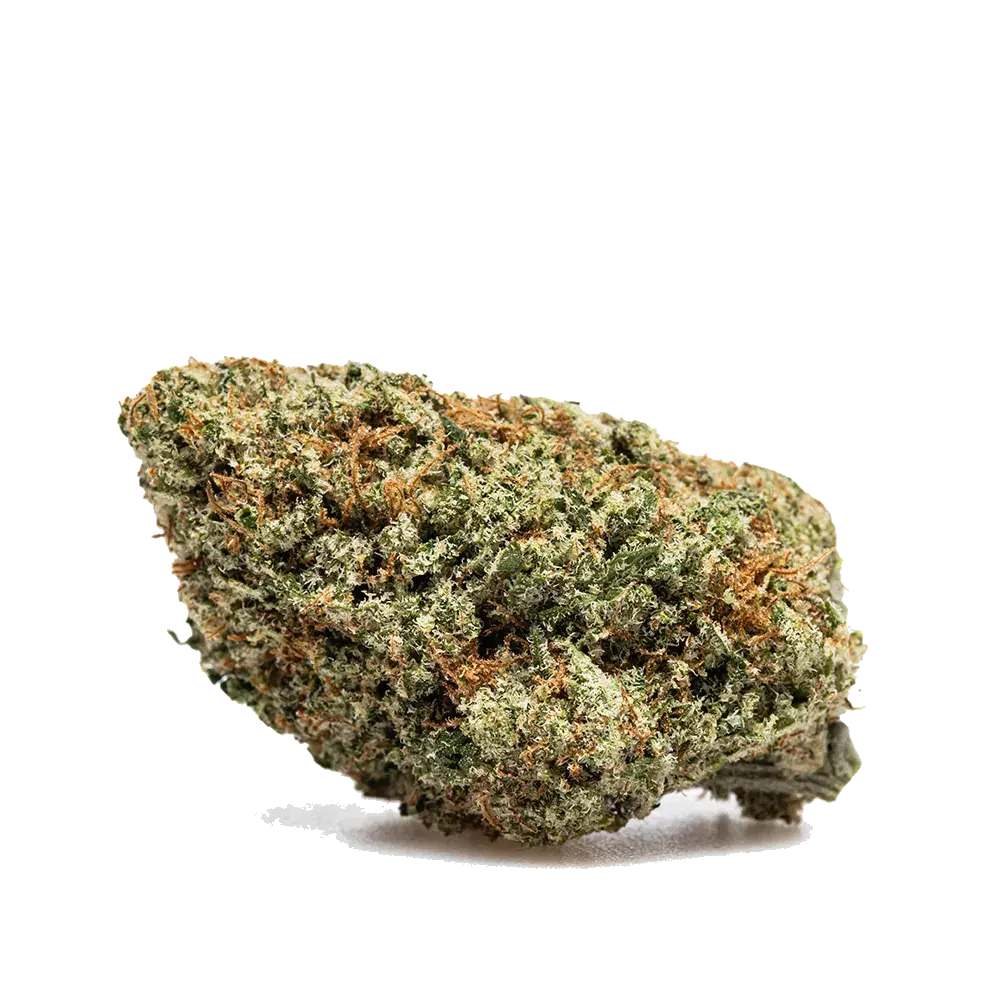
Terpenes are volatile organic compounds produced by plants. Volatile means that they evaporate at room temperature, which is why we can smell them. More than 20,000 terpenes have been identified in the plant kingdom, including more than 200 in hemp alone. Cannabinoids and terpenes are produced in the same microscopic gland, the trichome, visible to the naked eye on the flowers as a crystalline frost. A full-spectrum extraction preserves this terpene profile; a CBD isolate, purified to 99%, contains none of them.
Why plants produce them
From the plant's point of view, terpenes fulfil several ecological functions: attracting pollinators, repelling certain predators, defending the plant against pathogens, and contributing to thermal regulation through evaporation. These functions belong to plant ecology and do not translate mechanically into benefits for the human body.
The most common terpenes in hemp
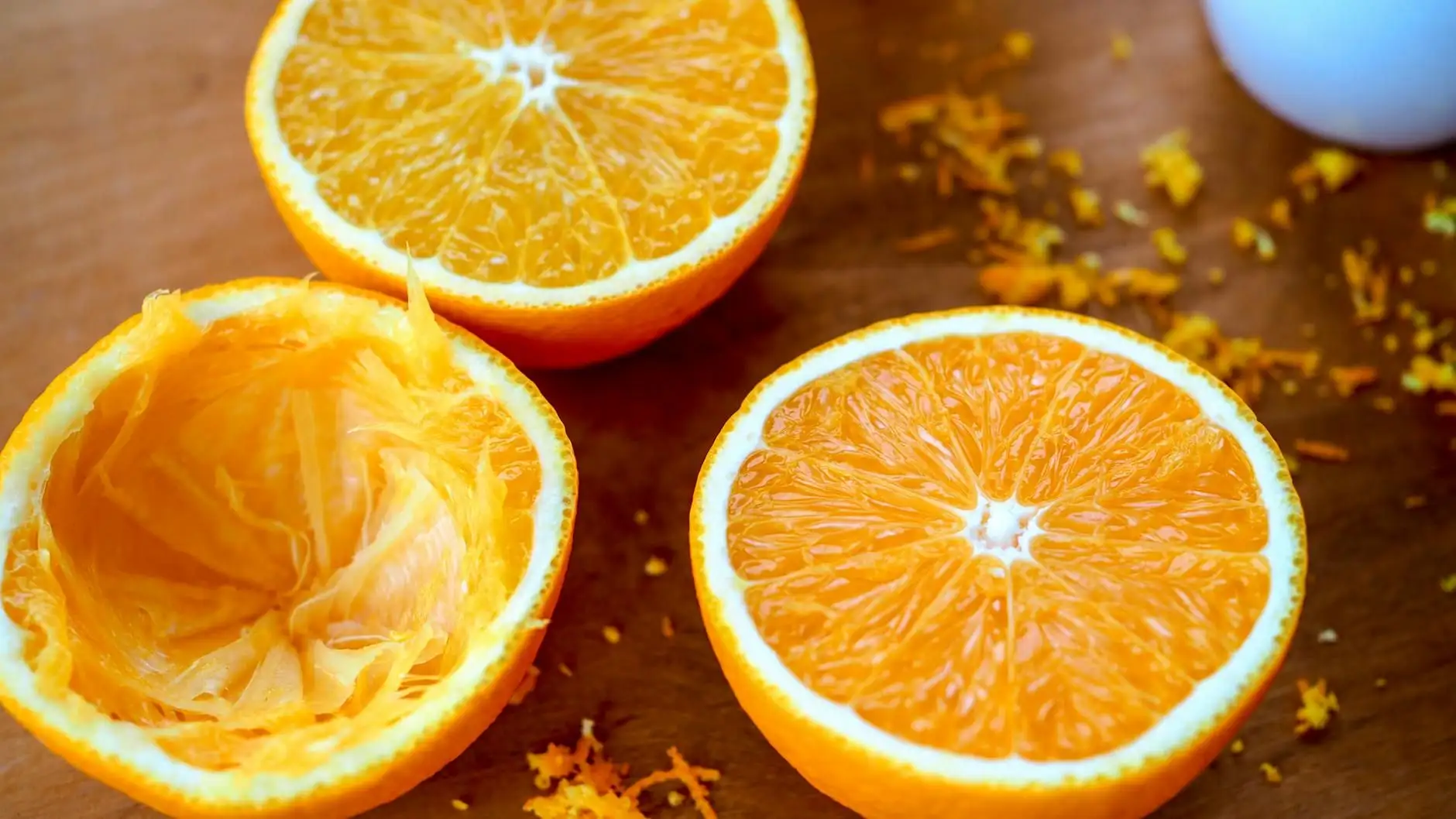
Myrcene, a herbaceous and faintly musky note, is the most abundant in most varieties and is also found in hops. Limonene brings a bright citrus note, characteristic of the varieties known as "Lemon". Linalool offers a soft floral note and is the main component of lavender essential oil. Pinene is reminiscent of resin and conifers. Beta-caryophyllene, a spicy, peppery note, is one of the few terpenes that interact with a receptor of the endocannabinoid system, CB2. Humulene brings an earthy, woody note.
How terpenes are preserved, or lost
The fragility of terpenes poses an industrial challenge: these molecules are sensitive to heat, light and oxygen. Poor extraction or careless storage makes a large part of the aromatic profile disappear. Three factors preserve them: low-temperature extraction, opaque packaging with an airtight seal, and storage away from heat. This is why hemp flowers and resins, being closer to the raw plant, retain a richer terpene profile than heavily refined products.
The entourage effect: what science actually says
The term "entourage effect" refers to the hypothesis that the action of cannabinoids is modulated by the co-extracted terpenes, formalised by the researcher Ethan Russo in a 2011 paper. It remains under scientific investigation: controlled clinical trials comparing isolate and full spectrum at the same doses are rare, and the proposed mechanisms are mostly documented in vitro or in animals. No authority, neither the EFSA nor the MILDECA, has validated any health claim linked to the entourage effect. To understand the overall composition of a product, see our definition of cannabinoids.
Choosing between a rich terpene profile and a neutral one
The choice depends on the intended use. Full spectrum or broad spectrum keeps the terpene profile, with a pronounced taste and smell. CBD isolate, with no terpenes, has a neutral taste and is easier to work into a preparation where the aroma of hemp is unwanted. If you are sensitive to essential oils, an isolate is the better option; if you enjoy the aromatic profile of the plant, a full spectrum will be more satisfying.
Frequently asked questions
Are terpenes dangerous?
At the concentrations usually found in food, no. At very high concentrations, as in a pure essential oil, some terpenes can be irritant according to the INRS toxicological data sheets. In a properly formulated CBD product, concentrations remain well below the risk thresholds.
Do terpenes make a drug test come out positive?
No. Only delta-9-THC is looked for by approved saliva and blood tests. Terpenes are not targeted by these analyses.
Why do we hear about added botanical terpenes?
Some manufacturers add purified terpenes taken from other plants in order to recreate or reinforce an aromatic profile. This must appear on the label, distinctly from a product with terpenes naturally present in hemp.
My CBD product has almost no smell: is it a bad product?
Not necessarily. If it is an isolate, the absence of smell is normal. If it is a product advertised as full spectrum and yet has no smell, it has probably lost its terpene profile during extraction or storage.
Written by the Phytogrammes team
Every article in this journal draws on primary sources (ANSM, EFSA, EUR-Lex, peer-reviewed publications) and on the lab's own practice: batch-by-batch HPLC analyses, measured cannabinoid profiles. Our approach.
Article published on . CBD is not a medicine.
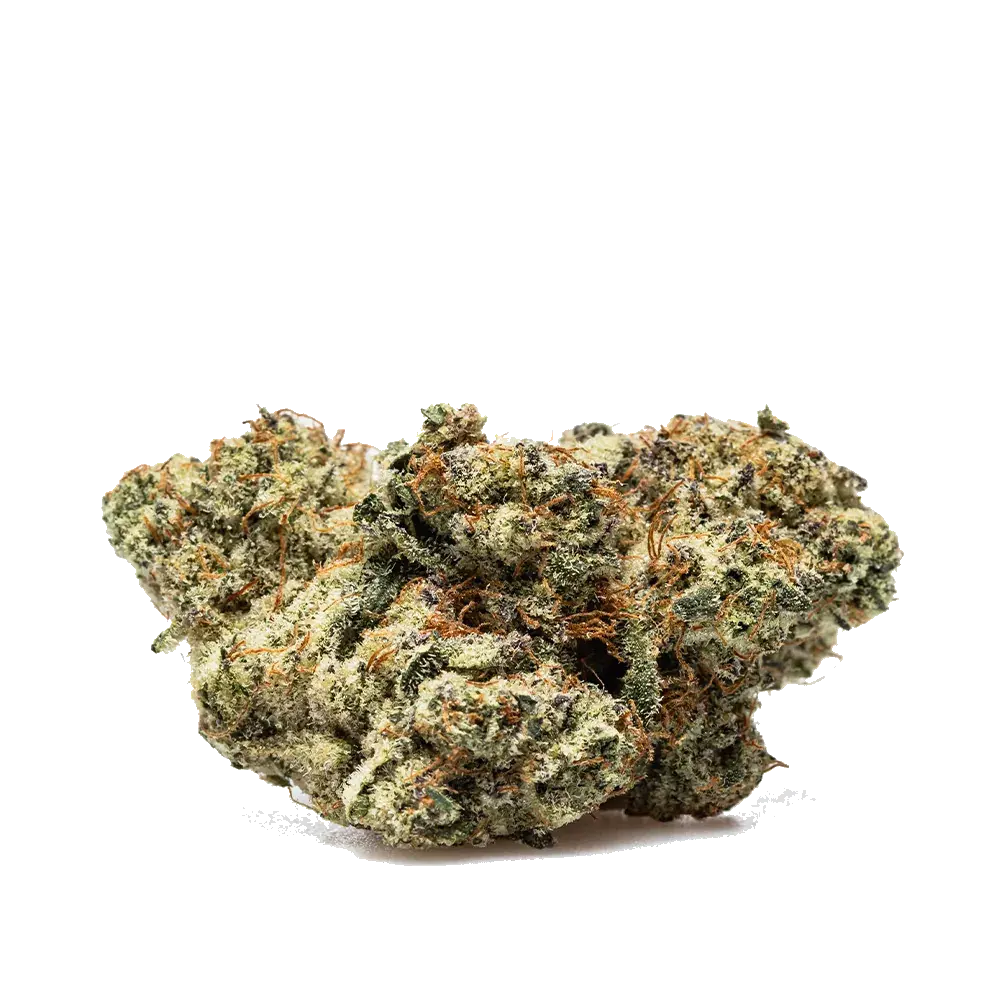
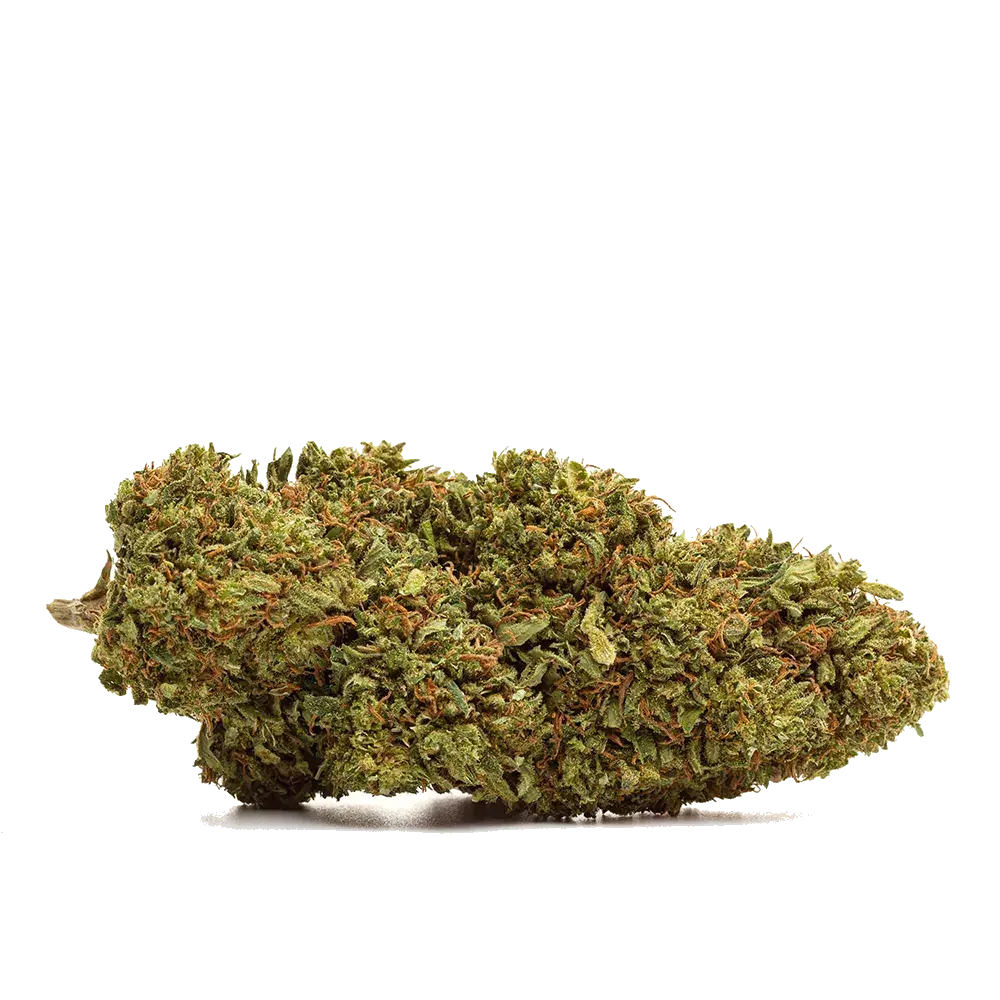
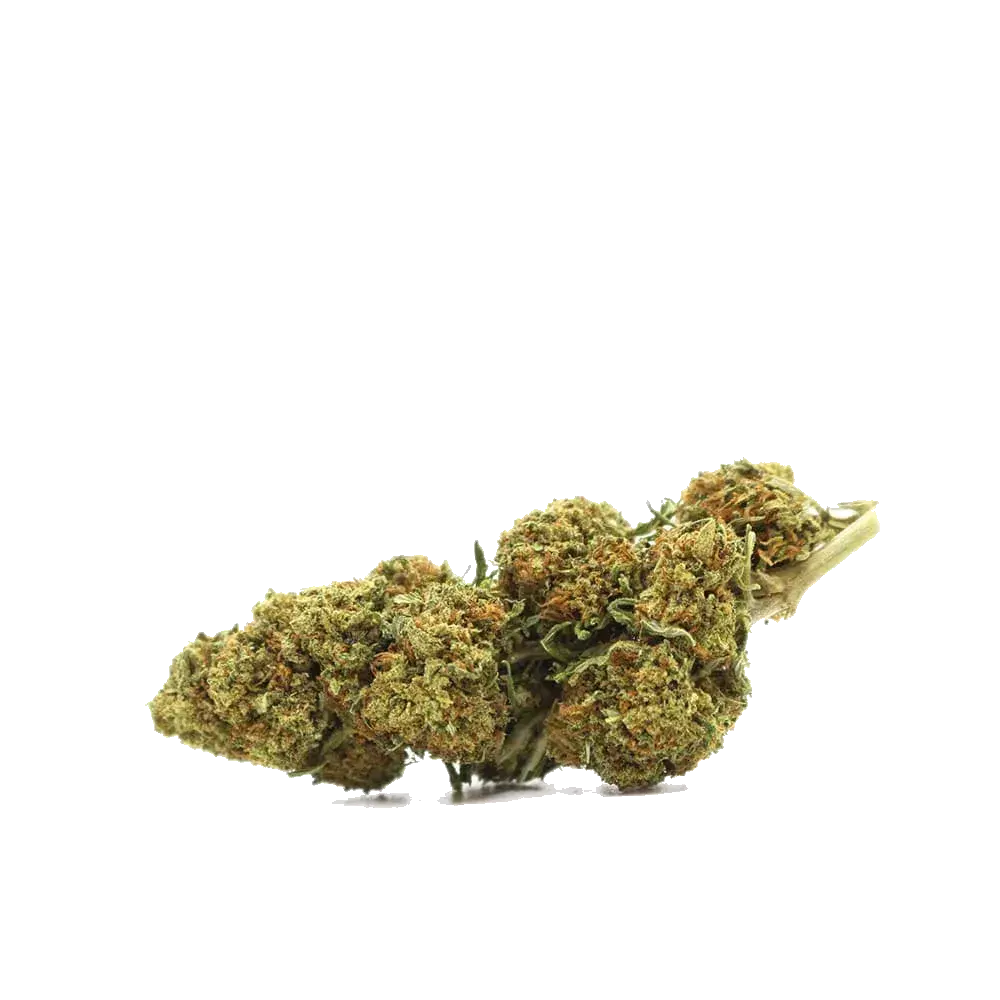
Phytogrammes products that pair well
Further reading
thc·18 May 2026
THC, delta-9, THCA, HHC: understanding cannabinoids in France
THC vs CBD, the 0.30% legal threshold, derivatives banned since 2024 and the driving risk: everything a French consumer needs to know.
thc·18 May 2026
Ingested THC, drinks, gummies, oils: the situation in France
In the United States, hemp-derived THC is drunk or chewed. In France, these products are banned: here is why, and what remains possible.

tms·18 May 2026
MSDs at work: prevention and the role of topical CBD
MSDs are the leading cause of occupational illness in France. How to prevent them day to day, and what a CBD balm can genuinely bring.