← Journal/18 May 2026·5 min de lecture
MSDs at work: prevention and the role of topical CBD
Par The Phytogrammes team ·
Musculoskeletal disorders (MSDs) account for 87% of the occupational illnesses recognised by the French health insurance system (Ameli). Preventing them rests on workstation ergonomics, varying posture and regular physical activity. A cosmetic CBD balm can accompany a muscle-recovery routine, without standing in for medical advice.
What is a musculoskeletal disorder?
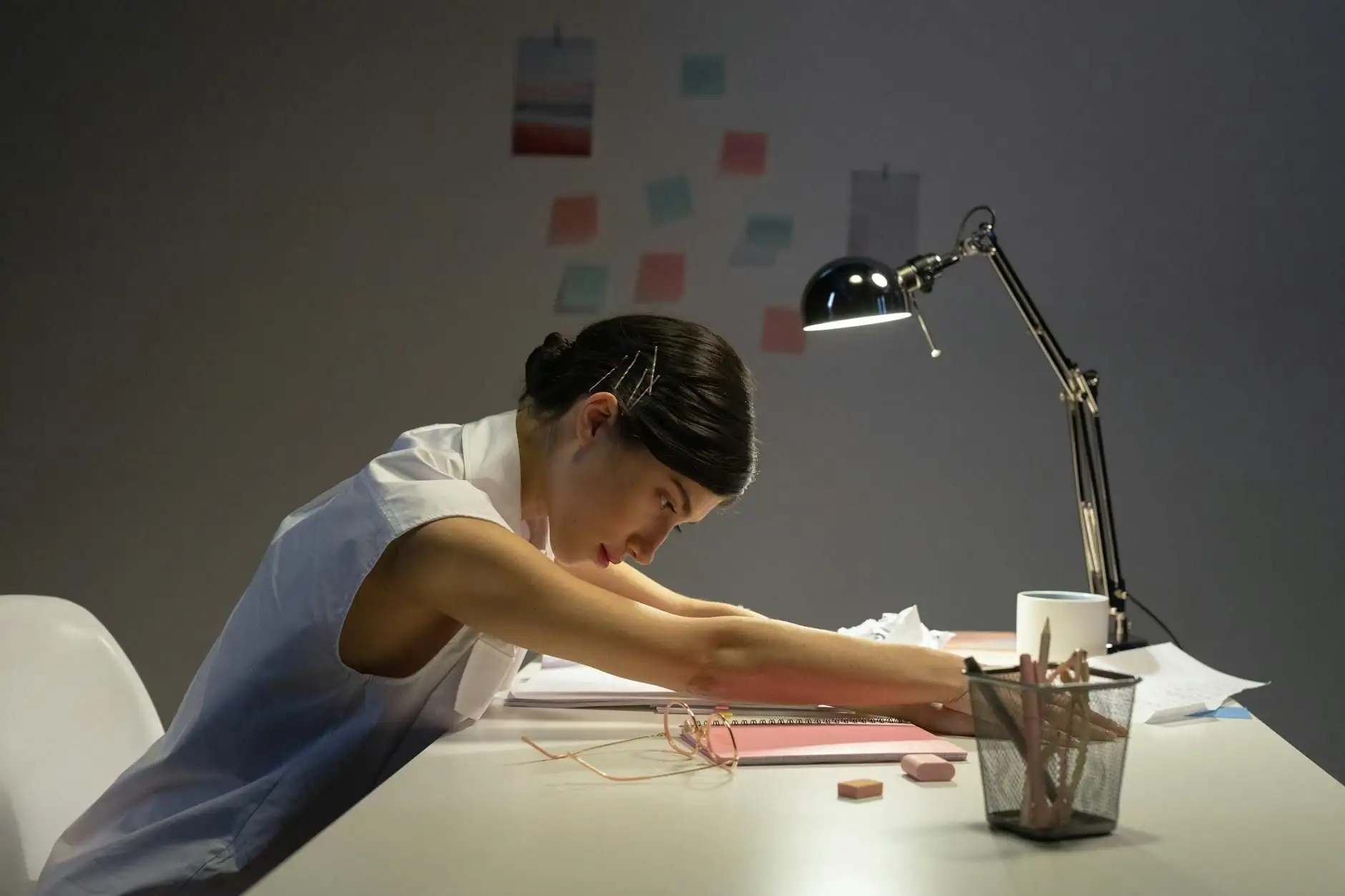
According to the INRS, an MSD covers the conditions affecting muscles, tendons, nerves and ligaments around the joints. These injuries result from repeated movements, constrained postures or sustained effort, not from a single trauma.
The most common forms in France:
- Carpal tunnel syndrome (compression of the median nerve at the wrist)
- Shoulder tendinopathy (rotator cuff)
- Epicondylitis ("tennis elbow")
- Common low back pain linked to prolonged sitting
- Postural neck pain, often linked to a badly adjusted screen
Why do MSDs affect so many employees?
The common mistake is to confine MSDs to physical trades. Santé publique France distinguishes three families of causes: biomechanical factors (repetitiveness, force, vibration), organisational factors (work rate, lack of breaks, poorly set-up remote working) and psychosocial factors (stress, mental overload). The growth of remote working has brought MSDs to profiles that were previously little exposed, managerial staff in particular.
How can MSDs be prevented day to day?
The recommendations from the INRS and the health insurance system converge on a few simple habits. Adjust the workstation: screen at eye level, mouse aligned with the shoulder, adjustable chair. Take active breaks every hour, even two-minute ones. Move as a whole: walking, swimming or targeted strength training reinforce posture. Manage stress with cardiac coherence breathing or sophrology, two approaches recognised by the HAS as supportive measures.
What if the pain settles in?
Beyond a few days, or where there is a functional impact, a medical consultation is the first step. The GP or the occupational physician will refer you to a specialist if needed. Physiotherapy remains the reference validated by the HAS for most upper-limb and spinal MSDs. Having the workstation adapted by an ergonomist prevents recurrence. If the criteria of schedule no. 57 are met, recognition as an occupational illness can be applied for with the CPAM.
What place is there for a cosmetic CBD balm?
CBD has been listed in the European Commission's CosIng database since February 2021 as a cosmetic ingredient. A CBD balm for external use therefore falls under European regulation 1223/2009 on cosmetics, not under medicines law. Authorised claims are limited to skin comfort: "soothes sensations of discomfort", "muscle comfort after exertion". Wording such as "anti-inflammatory" or "painkilling" is prohibited, because a cosmetic is not a medicine within the meaning of article L.5111-1 of the French Public Health Code.
In concrete terms, a CBD balm replaces neither a prescribed treatment nor a physiotherapy session. It can slot into an end-of-day routine: targeted stretches, self-massage, application with circular massage, then heat or cold depending on the situation. For comfort targeted at the lower back or the neck, a regular ritual often counts for more than the product itself.
Precautions before using a topical CBD
A prior skin test in the crook of the elbow, over 48 hours, allows you to check for any reaction. Avoid mucous membranes, the eyes and open wounds. In 2025 ANSES proposed to the European agency ECHA that CBD be classified as a substance presumed toxic for reproduction: as a precaution, it is better to avoid using it during pregnancy and breastfeeding. Lastly, check that the balm contains no prohibited cannabinoid (HHC, H4CBD, THCP), classified as narcotics by the ANSM since 2023-2024.
Frequently asked questions
Which MSD is the most common in France?
Carpal tunnel syndrome and shoulder tendinopathies dominate the health insurance statistics, followed by low back pain linked to prolonged sitting.
When should you see a doctor about pain at work?
As soon as the pain lasts more than a few days, comes back every time you return to work, or is accompanied by tingling or loss of strength. The GP and the occupational physician are the first people to turn to.
Is topical CBD anti-inflammatory?
No, no claim of that kind is authorised in France for a CBD cosmetic. Brands may communicate only about skin and muscle comfort.
Can a CBD balm be combined with a prescribed treatment?
A cosmetic applied locally has no significant systemic absorption. It must nevertheless never replace a prescribed treatment: tell your doctor or pharmacist that you are using it.
Written by the Phytogrammes team
Every article in this journal draws on primary sources (ANSM, EFSA, EUR-Lex, peer-reviewed publications) and on the lab's own practice: batch-by-batch HPLC analyses, measured cannabinoid profiles. Our approach.
Article published on . CBD is not a medicine.
Phytogrammes products that pair well
Further reading
cbd·18 May 2026
Reported uses of CBD oil in France: what the market says
An overview of the usage contexts reported by French CBD oil consumers, together with the regulatory limits and the absence of validated claims.
stress·18 May 2026
Stress in France: which cities concentrate the most pressure?
According to the IFOP barometer, nearly 9 French people out of 10 say they are stressed. Dense urban areas combine the aggravating factors — here is the French reading of the stress map.

chien·18 May 2026
Travelling with your dog stress-free: the practical guide
Train, car, plane, accommodation: the French and European rules for going on holiday with your dog, and the limits of veterinary CBD.