← Journal/18 May 2026·4 min de lecture
Reported uses of CBD oil in France: what the market says
Par The Phytogrammes team ·
No French authority has validated a therapeutic claim for wellness CBD. The main usage contexts reported by French consumers, relaxation, sleep quality and muscle comfort, are declarative preferences drawn from consumer barometers, not effects clinically validated by the ANSM or the HAS.
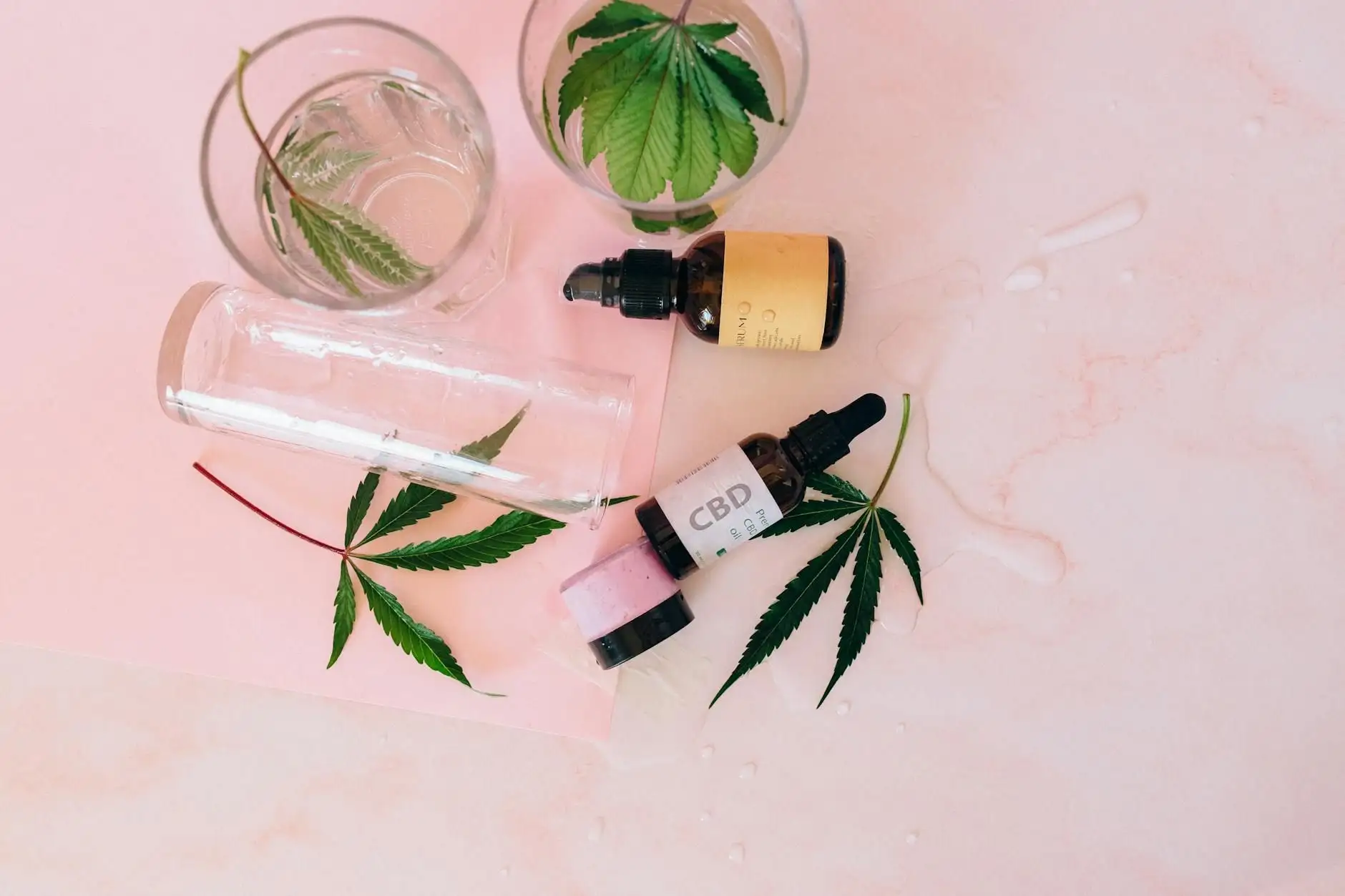
Why speak of "reported uses" rather than "benefits"?
European regulation EC No 1924/2006 on health claims, combined with Article L.5111-1 of the Code de la santé publique, prohibits any CBD brand from asserting a therapeutic effect. The MILDECA points this out: no CBD product sold in a shop may be presented as a medical treatment. The contexts described below come from consumer barometers (IFOP, sector surveys), not from clinical trials.
Which usage contexts do the French mention most?
The IFOP 2022 survey and several 2023-2024 sector polls converge on the same broad contexts.
Relaxation and the evening ritual
A significant proportion of consumers report building CBD into a relaxation routine or into a bedtime ritual, in the same way as a herbal tea or a breathing exercise. It is neither an anxiolytic nor a substitute for mental health care. The HAS has published no recommendation on CBD in connection with sleep.
Recovery and muscle comfort
Others mention use in post-exercise recovery, mainly through topical cosmetics (balms, massage oils). The DGCCRF points out that a CBD cosmetic may claim neither an anti-inflammatory effect nor an analgesic effect, only skin and muscle comfort.
Facial cosmetics
CBD has been listed since February 2021 in the European Commission's CosIng database. CBD cosmetics (serums, balms) are authorised in France with no specific dosage restriction, as long as the THC content remains below the acceptable contamination threshold.
Use among older people
Barometers note growing use among 55-70 year-olds, alongside a gentle mobility routine. ANSES nevertheless advises against use by pregnant or breastfeeding women and by minors, and calls for caution among people on medical treatment.
What the French authorities do not validate
In 2025 ANSES submitted to the European agency ECHA a proposal to classify CBD as "presumed toxic to human reproduction" (CLP category 1B), on the basis of animal studies. This classification, if adopted, would require warning pictograms. The EFSA, in its 2026 opinion, has also set a provisionally safe daily dose of 0.0275 mg/kg/day for ingested CBD, that is around 2 mg/day for a 70 kg adult. Most oils sold as food supplements exceed this threshold, which is why moderate and informed use is warranted.
Legal framework of the French market
Since the Conseil d'État ruling of 29 December 2022, oils, flowers and resins containing ≤ 0.30% THC in the finished product may be marketed. The cannabinoids HHC, H4CBD, THCP and HHCO have since been classified as narcotics by the ANSM (ministerial orders of June 2023 and June 2024): their sale is prohibited. To go further into what French law actually allows a brand to assert, read our overview of the CBD framework in France.
Frequently asked questions
Why not simply speak of "CBD benefits"?
French law prohibits therapeutic and health claims for wellness CBD. A phrase such as "CBD improves sleep" exposes a brand to DGCCRF penalties and to reclassification as a medicinal product by presentation.
Is there a recommended dose of CBD oil?
No, no French authority has recommended a dose for wellness CBD. The EFSA proposes a provisional threshold of 0.0275 mg/kg/day, that is around 2 mg/day for 70 kg, as a precaution.
Are all the CBD oils sold in France checked?
The DGCCRF carries out regular checks (labelling, claims, presence of prohibited cannabinoids). Certificates of analysis from an independent laboratory (CoA) remain the most reliable quality benchmark for the buyer.
Is CBD oil suitable for older people?
A wellness approach among older people remains possible, but it does not replace medical advice, particularly in cases of polypharmacy or chronic treatment.
Written by the Phytogrammes team
Every article in this journal draws on primary sources (ANSM, EFSA, EUR-Lex, peer-reviewed publications) and on the lab's own practice: batch-by-batch HPLC analyses, measured cannabinoid profiles. Our approach.
Article published on . CBD is not a medicine.
Phytogrammes products that pair well
Further reading

stress·18 May 2026
Stress in France: which cities concentrate the most pressure?
According to the IFOP barometer, nearly 9 French people out of 10 say they are stressed. Dense urban areas combine the aggravating factors — here is the French reading of the stress map.

chien·18 May 2026
Travelling with your dog stress-free: the practical guide
Train, car, plane, accommodation: the French and European rules for going on holiday with your dog, and the limits of veterinary CBD.

voyage·18 May 2026
Flying with CBD: France, Europe and outside the EU
Can you fly with your CBD? French rules, intra-Schengen flights, destinations outside the EU and container sizes: what you need to know before boarding.