← Journal/16 May 2026·3 min de lecture
CBD abroad: the checklist before you leave
Par The Phytogrammes team ·
Before taking CBD outside France, check the THC threshold tolerated in the country of destination, as it varies considerably from one state to another. Always carry the product's certificate of analysis (CoA) and favour a discreet format, with no smell and no trace of THC, whatever means of transport you use.
Should you check the law of the destination country before leaving?
Yes, every time. The THC threshold authorised in France (0.30 % in the finished product, set by the Conseil d'État ruling of 29 December 2022) is not universal. Some European countries are more permissive, others far stricter, and many countries outside the European Union prohibit any hemp-derived product outright, whatever its THC content. For a detailed run-through of the rules by country and by type of flight, see our guide to CBD on a plane.
Which documents should you take?
Three items are enough in the vast majority of cases: the purchase invoice, the product label stating its THC content, and the certificate of analysis (CoA) issued by an independent laboratory. That last document is often the one that clears up any doubt immediately during a check, whether at customs or on the road. Keep a printed version: a screenshot on a flat phone battery is of no use at the critical moment.
Which product format is best when travelling?
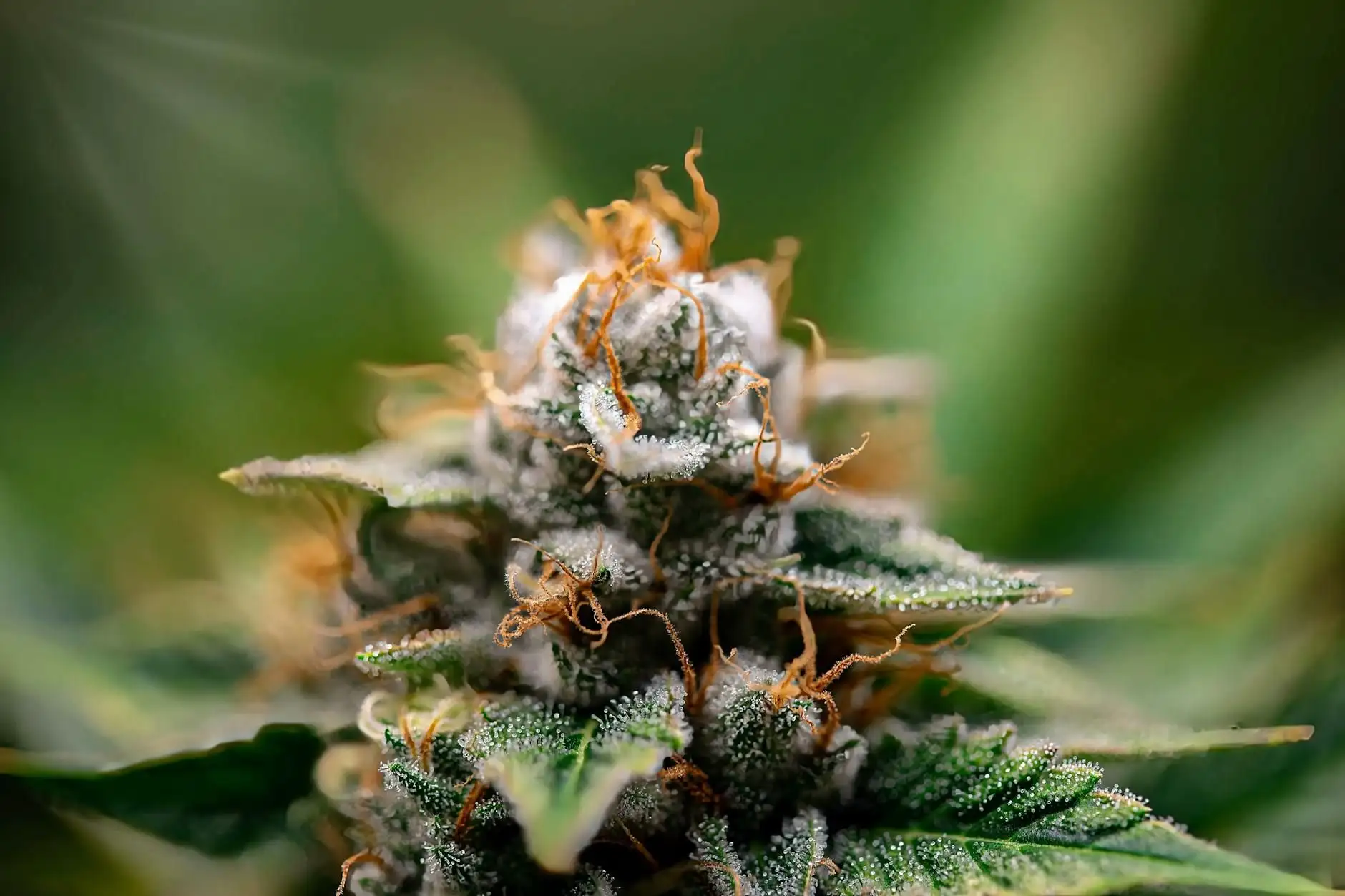
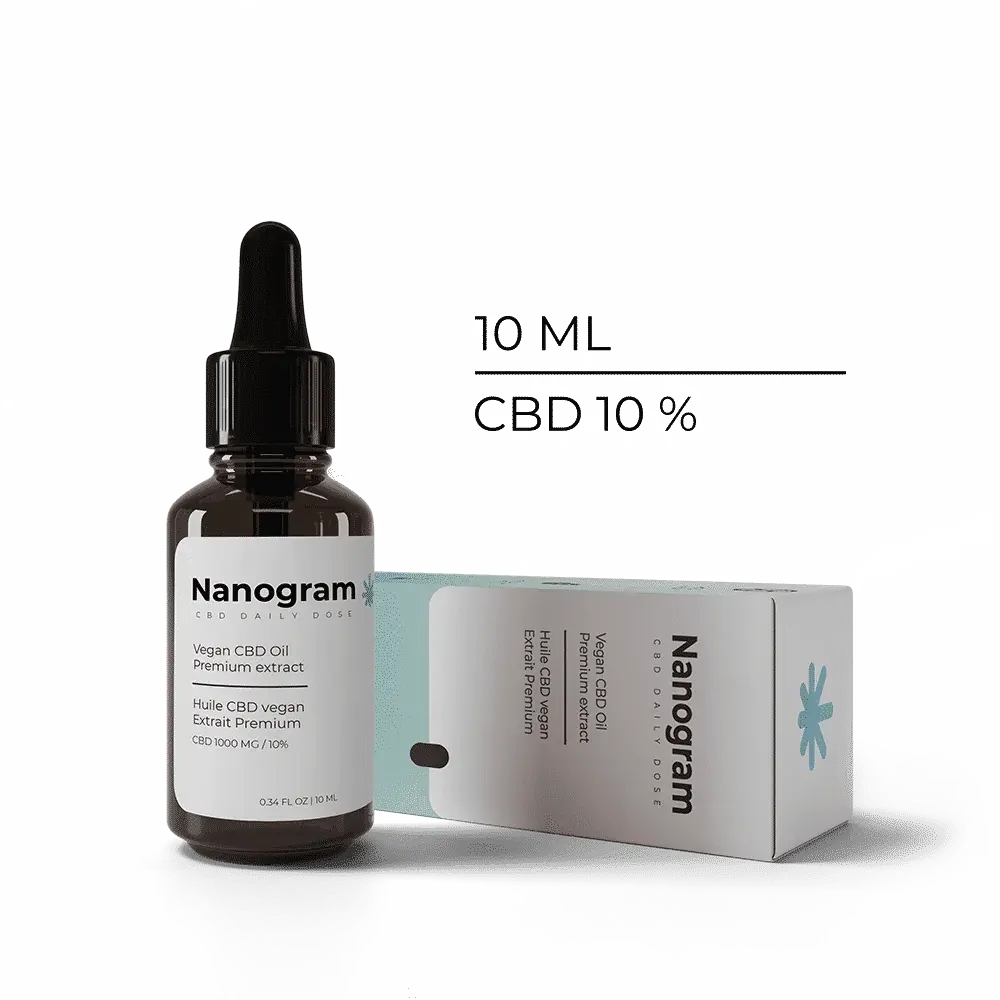
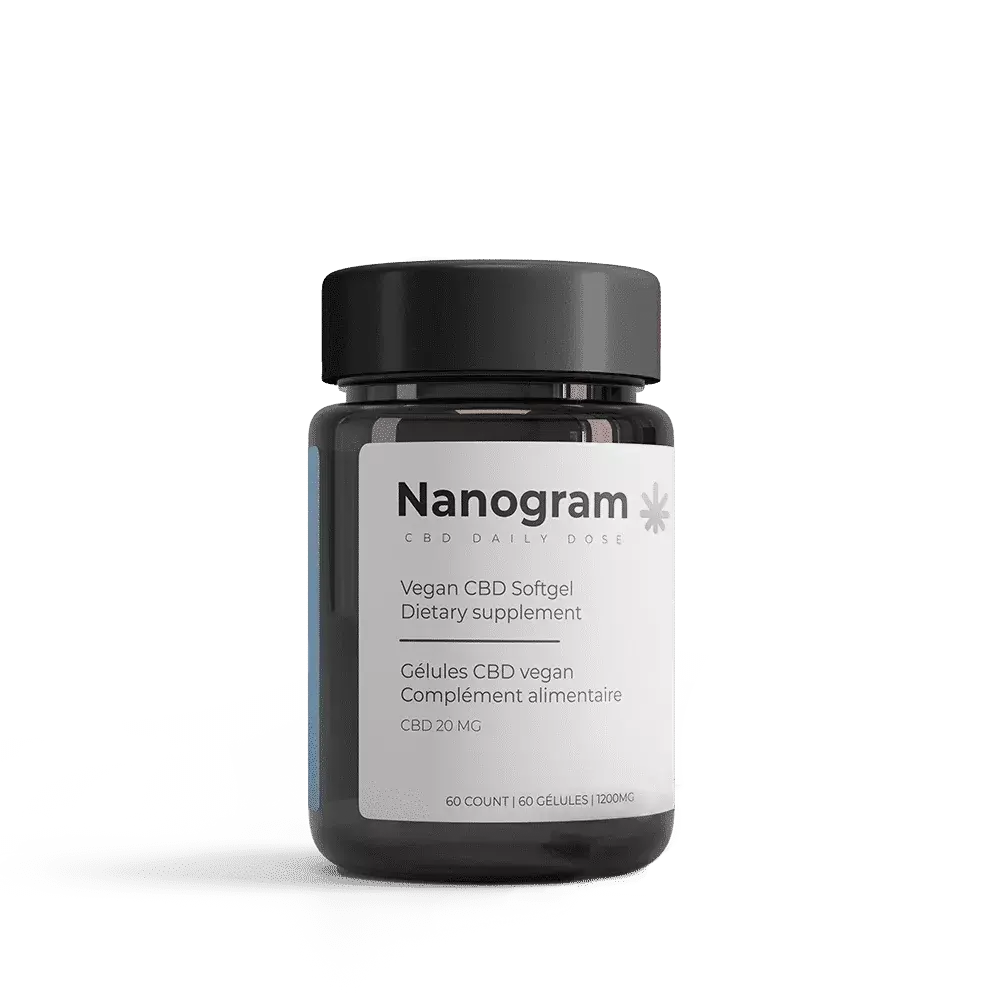
Oils in small bottles (10 to 30 ml) and capsules remain the most practical formats: discreet, easy to dose, with no recognisable smell. CBD flowers, although legal in France, are not advisable for international travel: their smell, similar to that of cannabis high in THC, can prompt a lengthy check even when the product is perfectly compliant. For travel within France only, our guide to domestic travel with CBD sets out the specifics by mode of transport.
Crossing a land border in Europe: what to expect
Systematic border checks have largely disappeared within the Schengen area, but occasional checks remain possible, particularly on road routes close to borders. A product labelled in French, accompanied by its CoA, greatly reduces the risk of misunderstanding. Bear in mind that possession remains subject to the rules of the country you are in at any given moment: what is legal in France may not be once you have crossed the border.
What if the destination country bans CBD?
The safest rule is to take nothing at all. A seizure on arrival comes at best with destruction of the product, at worst with prosecution, depending on local legislation. No CBD product, however valued it may be in your routine, justifies that risk in a country where the legal framework is uncertain or clearly unfavourable.
Frequently asked questions
Is the certificate of analysis compulsory for travelling with CBD?
It is not legally compulsory in France, but it remains the most effective proof of compliance during a check, in France as abroad.
Can you take CBD flowers on international travel?
It is not advisable. Their smell, hard to distinguish from that of cannabis high in THC, exposes you to lengthy checks even when the product is compliant.
What should I do if my CBD product is seized abroad?
Do not argue on the spot beyond presenting your documents. Then contact the French embassy or consulate if the situation escalates into prosecution.
Is there an official list of countries where CBD is banned?
No, no single official list exists and the rules change quickly. Always check the up-to-date situation before each departure, country by country.
Written by the Phytogrammes team
Every article in this journal draws on primary sources (ANSM, EFSA, EUR-Lex, peer-reviewed publications) and on the lab's own practice: batch-by-batch HPLC analyses, measured cannabinoid profiles. Our approach.
Article published on . CBD is not a medicine.
Phytogrammes products that pair well
Further reading
recette-cbd·16 May 2026
CBD yoghurt: a simple, measured homemade recipe
A homemade yoghurt recipe enriched with CBD, with a dose calculated per pot and the legal precautions to know before you start.
trichomes·16 May 2026
A close look at trichomes: their role and function in hemp
These tiny crystalline structures on the surface of the flower concentrate most of the cannabinoids and terpenes in hemp. Here is how they work.
cannabeurre·12 May 2026
10 mistakes to avoid when making CBD butter
Temperature, dosing, fat content: the mistakes that most often ruin a homemade CBD butter, and how to avoid them.