← Journal/18 May 2026·4 min de lecture
Common misconceptions about hemp and CBD in France
Par The Phytogrammes team ·
Hemp and CBD remain surrounded by confusion in France. CBD is not classified as a narcotic, but it can trigger a positive saliva test for THC, and certain derived molecules such as HHC are themselves banned. Here are six common misconceptions, set against the legal framework.
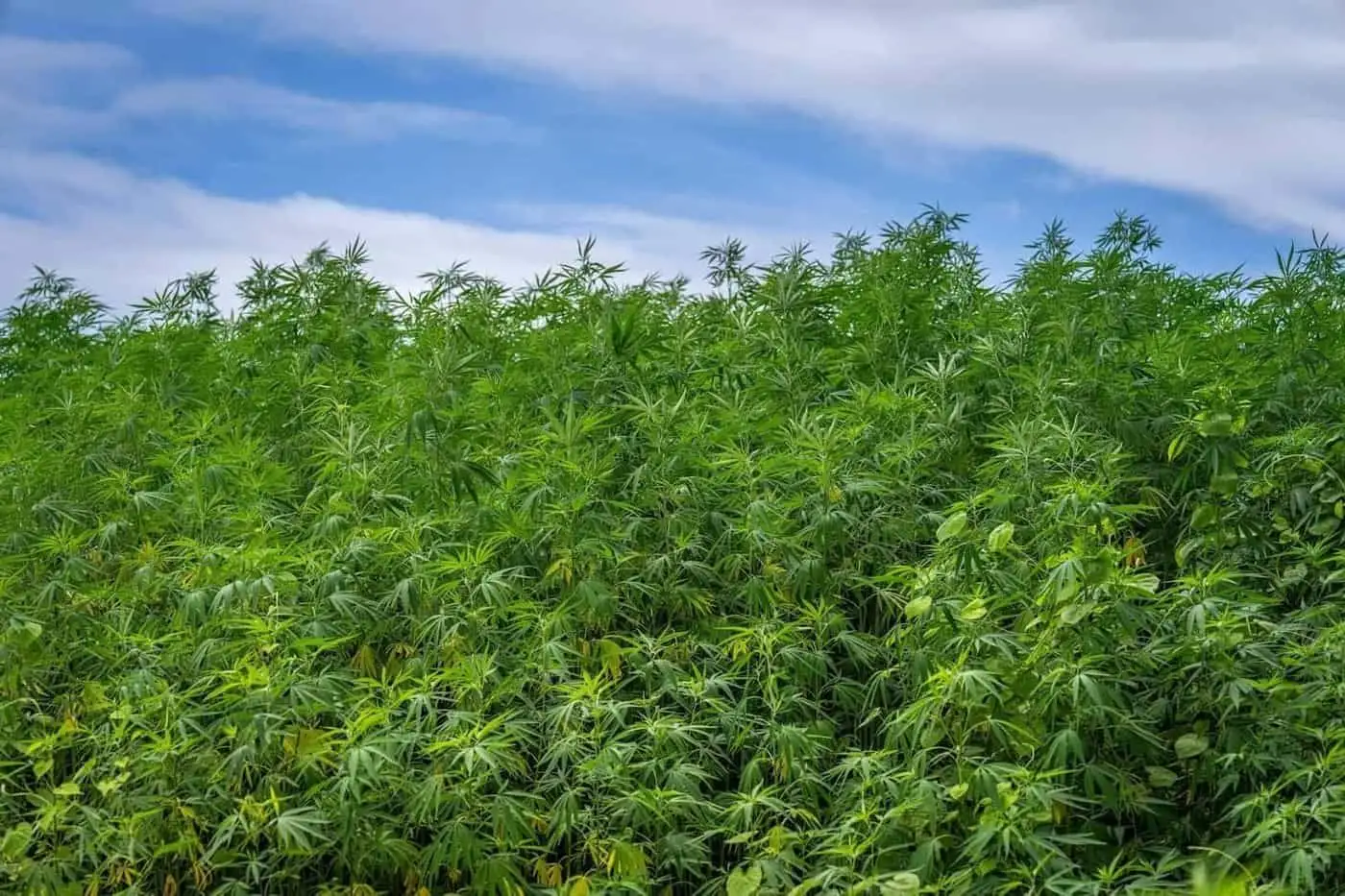
"CBD is a drug"
This is false. CBD (cannabidiol) is not classified as a narcotic by the Public Health Code, unlike THC, as MILDECA points out on its official page. It has no psychoactive effect in the sense that THC does: no state of intoxication, no major alteration of consciousness at usual dosages. The sale of hemp flowers, leaves and derived products has been legal since the Conseil d'État ruling of 29 December 2022, provided the finished product contains no more than 0.30% THC.
"Hemp and cannabis are the same thing"
This is both true and false. Botanically, the two belong to the same species, Cannabis sativa L. Legally, they have nothing to do with each other: industrial hemp refers to varieties selected for a very low THC content, whereas cannabis in the common sense refers to THC-rich varieties, used as a narcotic and banned in France for recreational purposes.
"CBD makes it safe to drive"
This is false. The Cour de cassation, in its ruling of 21 June 2023, held that authorisation to market cannabis derivatives has no bearing on the offence of driving after using narcotics. The legality of the product consumed therefore does not exempt the driver: a positive saliva test for THC still carries two years' imprisonment, a €4,500 fine and the loss of 6 licence points, under article L.235-1 of the French Highway Code. Full-spectrum products, which contain legal traces of THC, may be enough to trigger a positive result.
"CBD treats anxiety, insomnia or pain"
This statement is validated by no French authority. Neither the ANSM, nor the HAS, nor ANSES, nor EFSA recognises any therapeutic claim for wellness CBD. Wording along the lines of "CBD treats" exposes the seller to the product being reclassified as a medicine by presentation, with DGCCRF penalties to follow. Some consumers include CBD in an evening routine, but these are personal preferences, not clinically demonstrated effects.
"CBD and medical cannabis are the same"
This is false. Wellness CBD is an everyday consumer product, sold without prescription, derived from low-THC industrial hemp. Medical cannabis is a medicine, often dosed with active THC, prescribed by a hospital doctor for specific indications such as neuropathic pain or drug-resistant epilepsy. Our article on the new medical cannabis timetable in France sets out this distinction and its impact on the CBD market.
"All hemp cannabinoids are authorised"
This is false. The ANSM has classified several synthetic or semi-synthetic cannabinoids on the list of narcotics: HHC and its derivatives since the order of 11 June 2023, then H4CBD, THCP and several other compounds by an order published in June 2024. Their sale is prohibited, and a product labelled CBD must under no circumstances contain them.
CBD is not a medicine. In case of illness or persistent symptoms, consult a healthcare professional.
Frequently asked questions
Can CBD turn into THC in the body?
No solid clinical data confirm a significant conversion of CBD into THC under normal human physiological conditions. Laboratory studies carried out outside the body cannot be transposed as they stand.
Can you take CBD during pregnancy?
No. ANSES advises against use by pregnant and breastfeeding women and by minors, and in 2025 proposed classifying CBD as a substance presumed toxic for reproduction.
Is CBD reimbursed by the French health service?
No. Wellness CBD is not a medicine and is therefore not reimbursed. Only a pharmaceutical medicine based on CBD, reserved for rare epilepsies, benefits from hospital authorisation.
Is CBD banned for athletes in competition?
No, CBD was removed from WADA's list of prohibited substances in 2018. But THC remains prohibited in competition, which requires athletes to use certified THC-free isolates.
Written by the Phytogrammes team
Every article in this journal draws on primary sources (ANSM, EFSA, EUR-Lex, peer-reviewed publications) and on the lab's own practice: batch-by-batch HPLC analyses, measured cannabinoid profiles. Our approach.
Article published on . CBD is not a medicine.
Phytogrammes products that pair well
Further reading
journal·18 May 2026
The five-minute journal: a simple wellness routine
Three lines in the morning, three in the evening: the five-minute gratitude journal has been studied in positive psychology, with modest but real effects.
lemon-curd·18 May 2026
CBD lemon curd: homemade recipe, dosage and precautions
A silky lemon cream infused with CBD oil, for strictly personal use: precise measures, bain-marie cooking and the legal framework.

mantra·18 May 2026
Mantras and wellbeing: what the science says
A mantra is a short phrase repeated to focus attention. What the research shows, and how to build a simple daily routine.