← Journal/18 May 2026·4 min de lecture
First time with CBD: what to know before you try
Par The Phytogrammes team ·
Approaching CBD for the first time means choosing a route of administration, starting at a moderate dose and keeping a stable framework for several weeks in order to assess how you feel. No therapeutic indication is recognised in France for wellness CBD: expectations should stay measured.
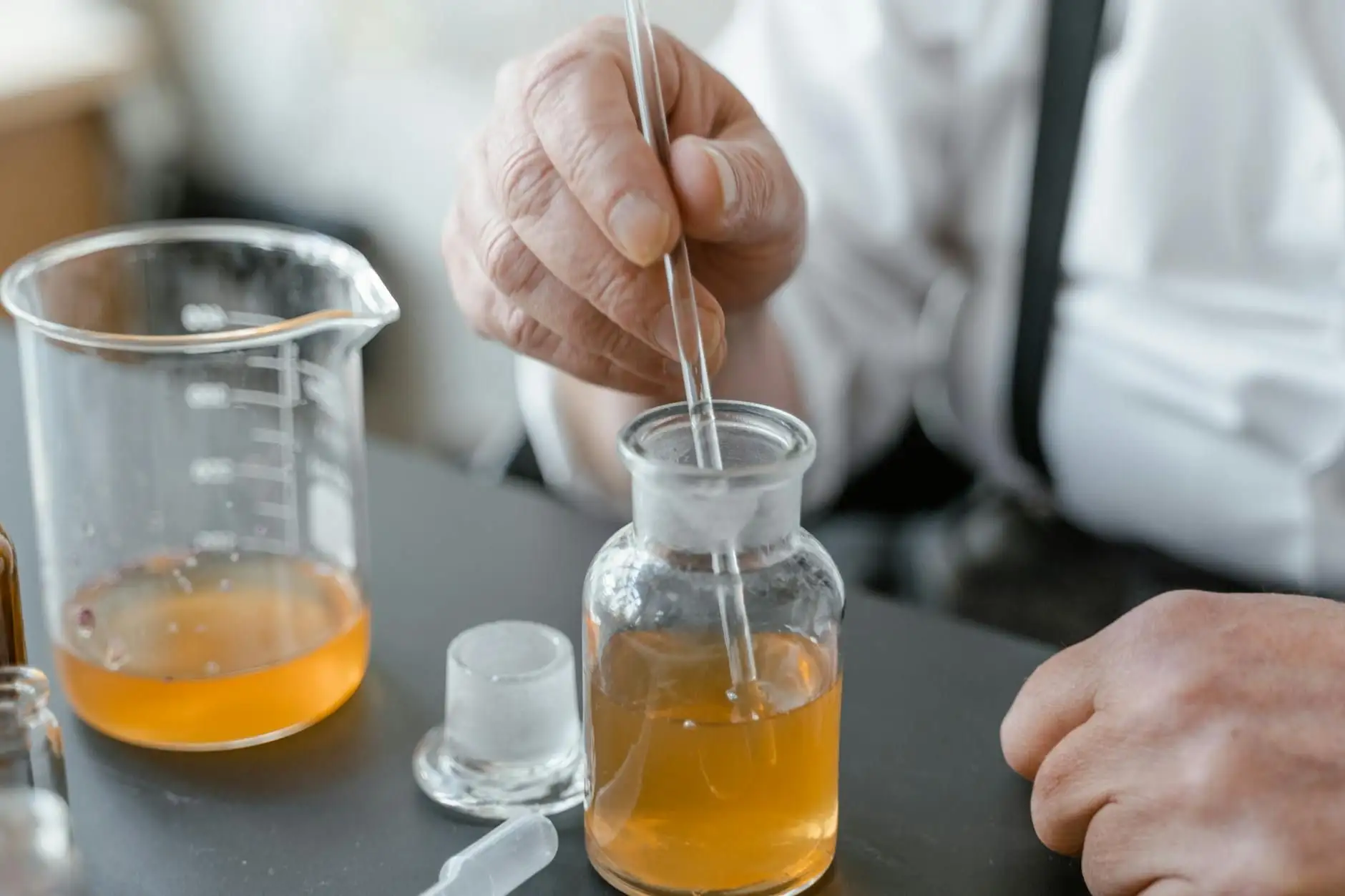
Three questions to ask yourself before buying
Before a first purchase, three questions are worth asking. Why try CBD: a wellness approach (an evening ritual, a moment of relaxation) is legitimate, whereas a therapeutic expectation calls for medical advice. Are you on any current treatment: CBD is metabolised by the cytochromes CYP3A4 and CYP2C19, and drug interactions are possible, hence the value of advice from a pharmacist. Finally, are you affected by a contraindication: the ANSES advises against use by pregnant or breastfeeding women and by minors, and has since 2025 proposed to the ECHA that CBD be classified as "presumed toxic to reproduction" (CLP category 1B).
Choosing your route of administration
Several forms coexist on the French market. Sublingual oil remains the route best suited to starting out: a few drops held for 60 to 90 seconds under the tongue, a perceptible effect in 15 to 45 minutes, and a dosage adjustable drop by drop. Topical cosmetics (balms, serums) are used locally, with no systemic effect sought. Vaporisation offers a fast onset, but the MILDECA gives an unfavourable opinion on combustion, which produces smoke. The oral route (capsules, infusions), now subject to Novel Food withdrawal since 15 May 2026 for products without authorisation, offers precise dosing but an onset of 1 to 2 hours.
Starting at a moderate dose
No French authority has set a dose for wellness CBD. On 9 February 2026 the EFSA published a provisionally safe daily dose of 0.0275 mg/kg/day, that is around 2 mg for a 70 kg adult, a benchmark that invites caution. In practice, users often start at 5-10 mg, once or twice a day, hold that dose for ten days or so, then adjust slowly. Our guide to the quantities to use sets out these dosage benchmarks in detail.
Keeping a stable framework in order to assess
To judge whether a product suits you, keep the same route of administration and the same times of intake for 4 to 6 weeks, keep a brief journal of how you feel, and limit other variables (alcohol, late screen time). This observational approach has no therapeutic value: it serves only to put some objectivity around a subjective experience.
What not to expect, and the safety points
Expect neither an instant effect, since Tmax varies from 15 minutes to 2 hours depending on the route, nor a psychoactive effect, nor any medical improvement. On the road, the Cour de cassation has restated that the commercial legality of a CBD product does not exonerate you in the event of a positive saliva test for THC. Finally, check that no prohibited cannabinoid (HHC, H4CBD, THCP, classified as narcotics since 2023-2024) appears in the composition, and favour a product with an independent certificate of analysis.
CBD is not a medicine. In the event of illness or a persistent symptom, consult a healthcare professional.
Frequently asked questions
Can you try CBD with no prior experience of cannabis?
Yes, wellness CBD has no psychoactive effect comparable to THC. No prior experience is required to try it.
How long before you feel something the first time?
Between 15 and 45 minutes sublingually, 1 to 2 hours orally, and a few minutes with vaporisation, according to the available pharmacokinetic data.
Which adverse effects should you watch for?
Unusual tiredness, mild digestive upset, dry mouth, drowsiness. If an effect is marked or prolonged, stop the product and consult a professional.
Should you take breaks from use?
No French data requires it. A stable routine, adjusted according to how you feel, remains the most coherent approach; ask your pharmacist for advice if in doubt.
Written by the Phytogrammes team
Every article in this journal draws on primary sources (ANSM, EFSA, EUR-Lex, peer-reviewed publications) and on the lab's own practice: batch-by-batch HPLC analyses, measured cannabinoid profiles. Our approach.
Article published on . CBD is not a medicine.
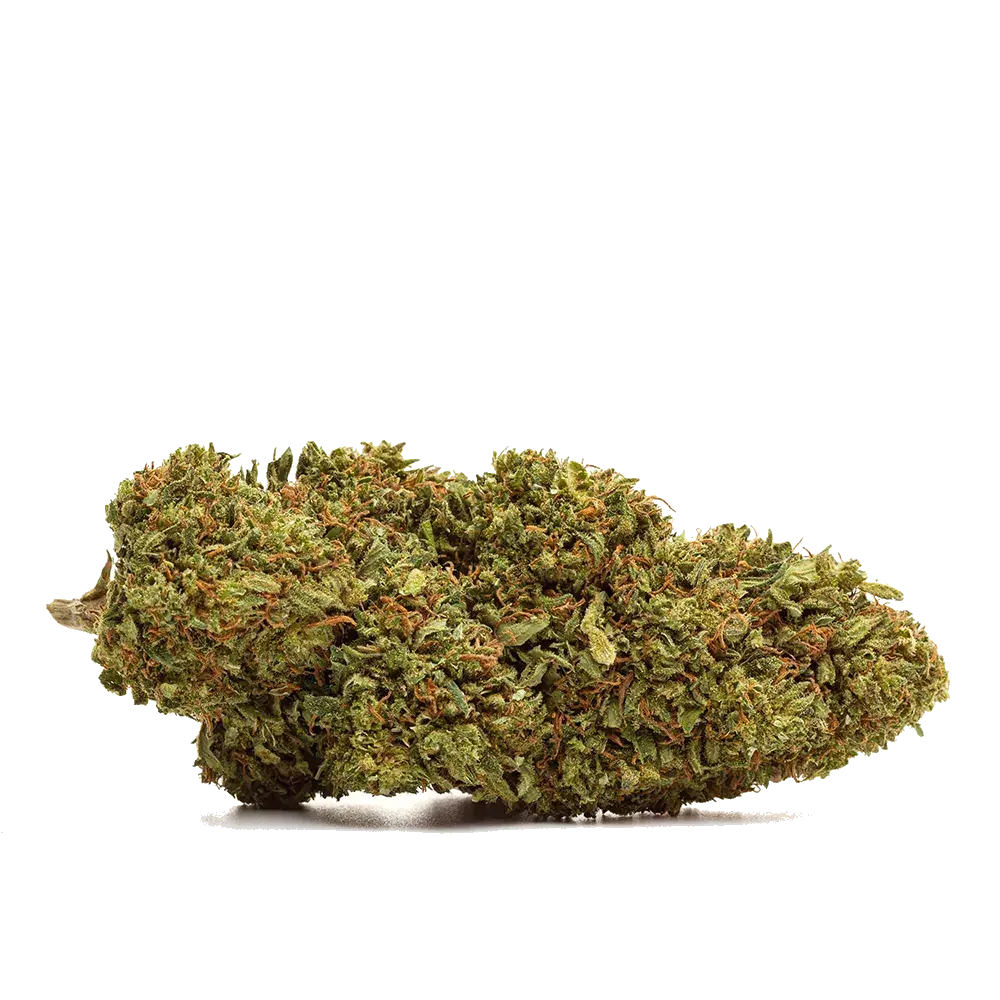
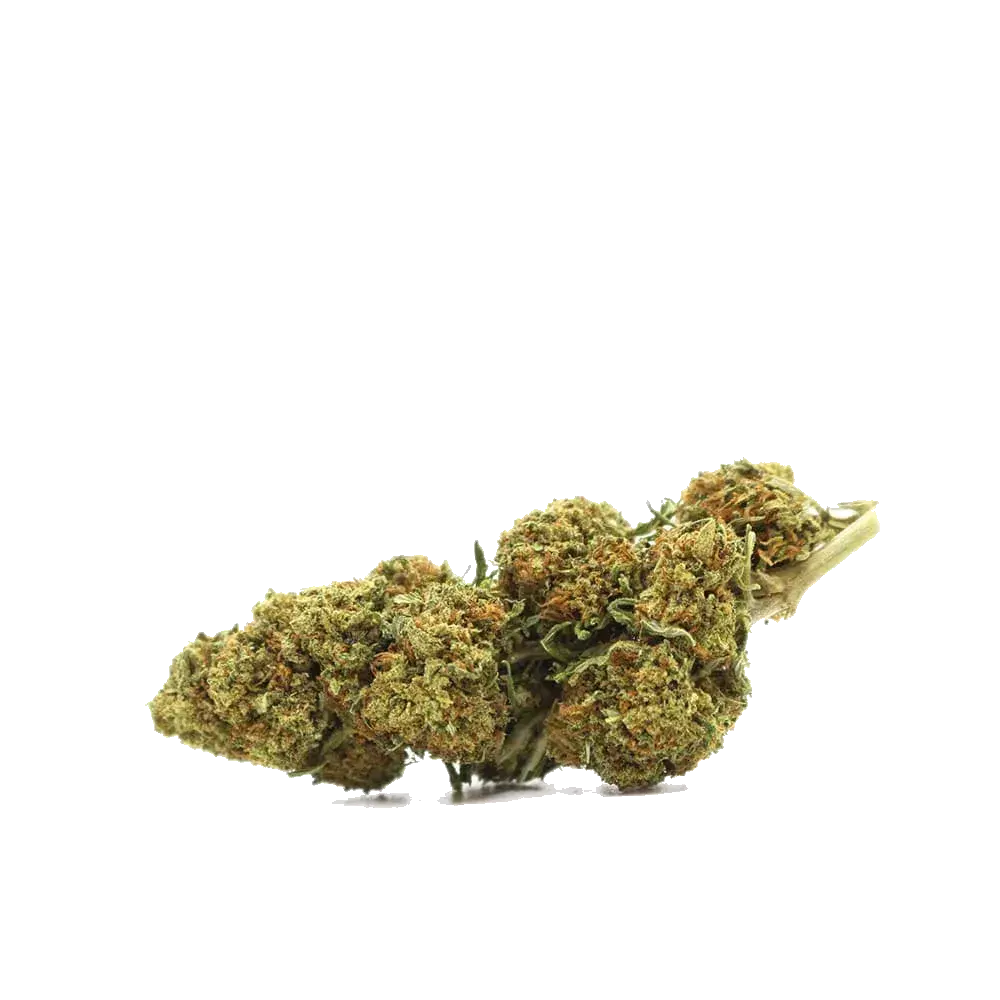
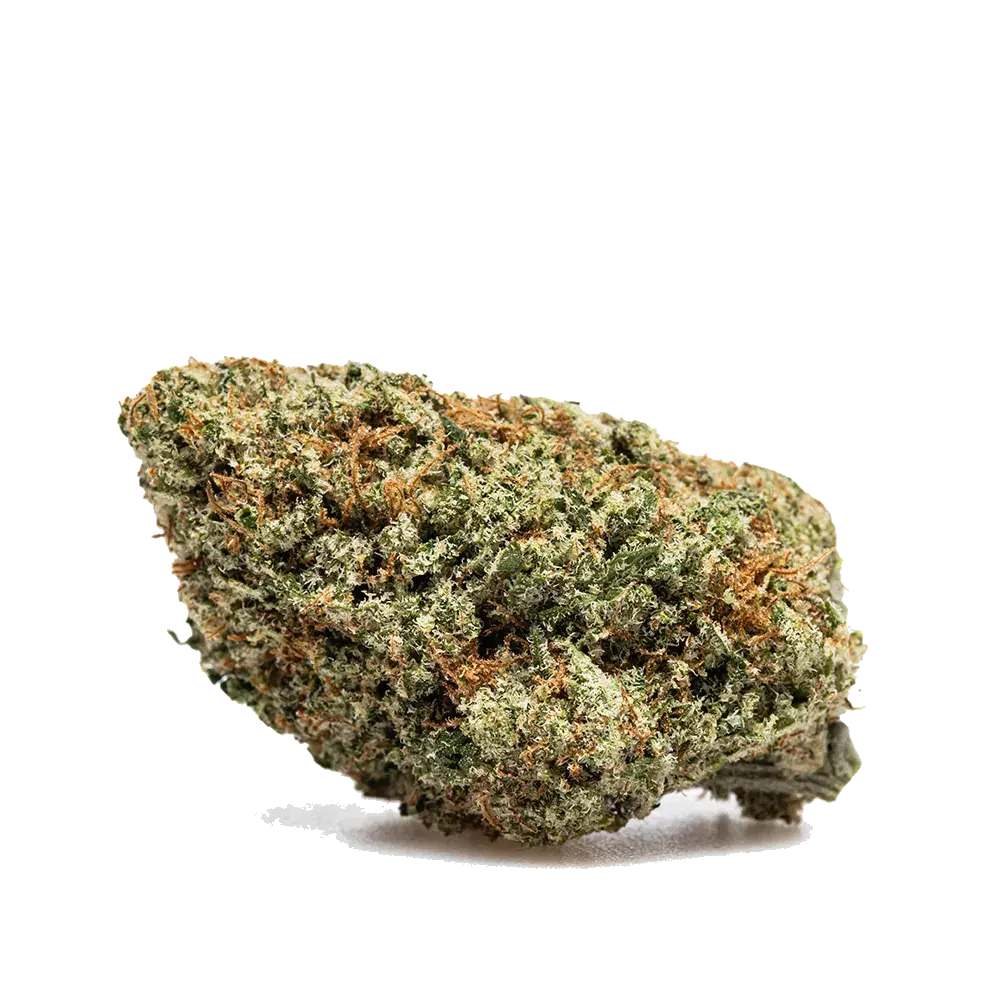
Phytogrammes products that pair well
Further reading

bien-etre·18 May 2026
Taking care of yourself in winter: five dimensions to maintain
Falling light levels, seasonal fatigue, a slower social life: five concrete registers for getting through winter without exhausting yourself, and without lecturing.

recompenses-cbd·18 May 2026
Prizes and awards on CBD gummies: what are they worth?
Consumer awards, independent medals, press rankings: how to decode the distinctions displayed on CBD products.
insomnie·18 May 2026
What to do when you cannot sleep: 8 useful steps
4-7-8 breathing, visualisation, reading, leaving the bed: the INSV and HAS recommendations for getting through a bad night without making things worse.