← Journal/12 May 2026·3 min de lecture
Quality CBD products: the criteria to know
Par The Phytogrammes team ·
A quality CBD product is recognised by verifiable criteria: extraction method, independent certificate of analysis per batch, absence of prohibited cannabinoids and full traceability. Price and packaging tell you nothing about a product's actual compliance.
The extraction method, the first technical marker
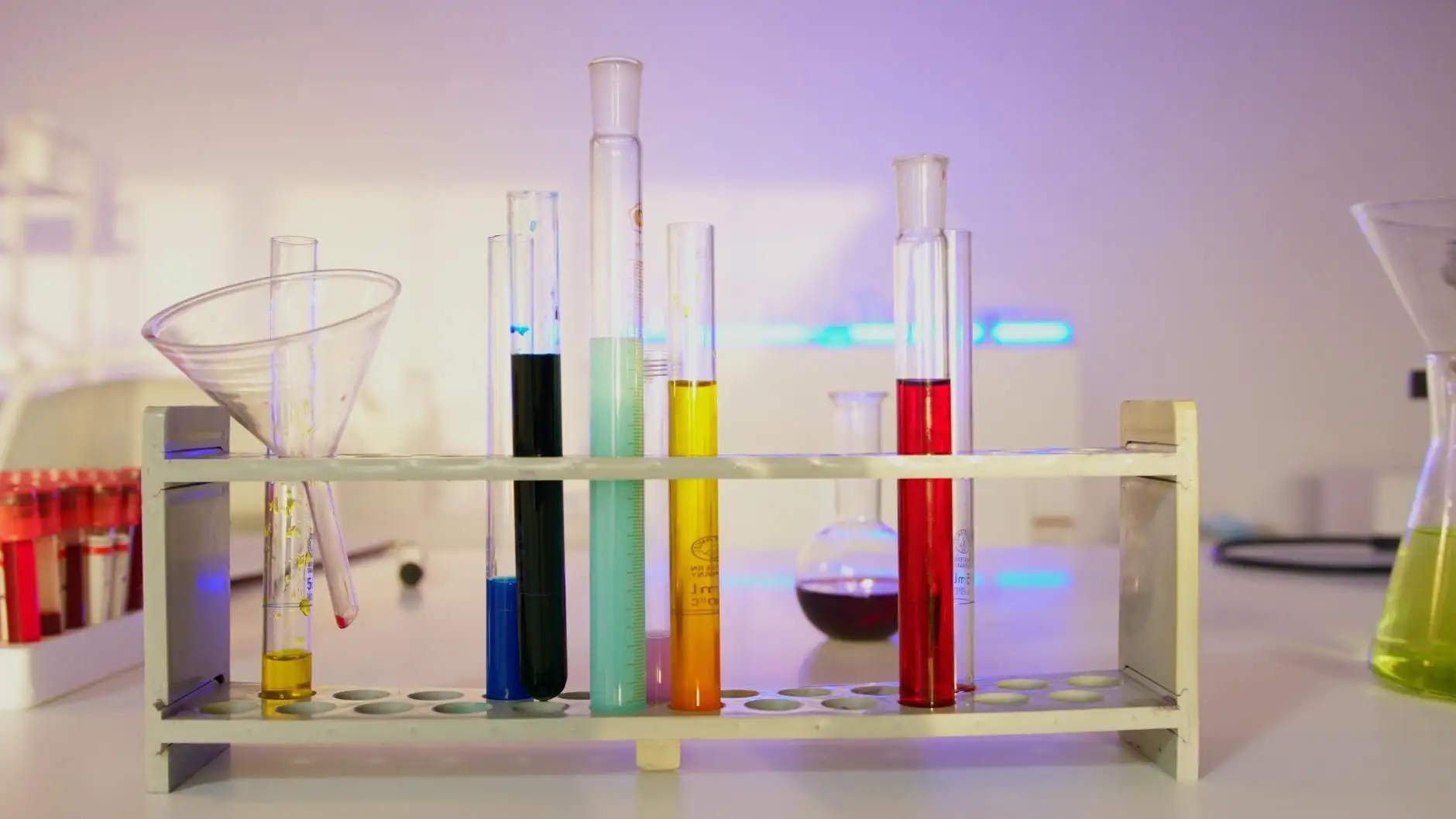
Supercritical CO2 extraction remains the reference method: it isolates cannabinoids and terpenes without any chemical solvent residue. Ethanol extraction, also widespread, requires rigorous control of the removal of residual solvent. Cheap oil-based or hydrocarbon-solvent methods (butane, propane) carry an increased risk of residues if the process is poorly controlled. A serious brand states its extraction method on its product sheet.
The certificate of analysis (CoA), the central document
A certificate of analysis (CoA), produced by an independent laboratory ideally accredited to ISO/IEC 17025, must attest the actual CBD content, the THC level in the finished product (≤ 0.30% in accordance with the Conseil d'État decision of 29 December 2022), the absence of prohibited cannabinoids (HHC, H4CBD, THCP, classified as narcotics since 2023-2024) and, ideally, the absence of pesticides, heavy metals and residual solvents. The CoA must correspond to the exact batch number of the product bought, not to a generic batch. Our article on the certificate of analysis explains how to read it line by line.
The hemp variety and its origin
A quality product states the hemp variety used, ideally one listed in the European common catalogue of authorised varieties. The geographical origin of the crop (France, Europe) also gives an indication of the regulatory constraints applied to production.
The spectrum of the extract: isolate, broad spectrum, full spectrum
Three profiles coexist: the isolate, pure cannabidiol at 98-99%, without any other hemp compound; broad spectrum, which retains several minor cannabinoids and terpenes without THC; full spectrum, which preserves the entire plant profile with traces of THC below the legal threshold. None of these profiles is universally superior; the choice depends on the intended use and on tolerance of residual THC, particularly for drivers.
Traceability and labelling
Compliant labelling states the dose in mg per unit (and not only per container), the batch number, the date of minimum durability, the contact details of the party responsible for placing the product on the market and the precautionary statements (not advised for pregnant or breastfeeding women, or minors). The DGCCRF has documented recurring failings on these points during its inspections.
CBD is not a medicine. If in doubt about a product, consult a healthcare professional.
Frequently asked questions
Is price an indicator of quality for CBD?
Not directly. A high price guarantees neither compliance nor actual content. The per-batch certificate of analysis remains the most reliable indicator.
Should you favour organic for a CBD product?
The AB / Euro-leaf certification guarantees the absence of synthetic pesticides, which reduces the risk of contamination, without saying anything about the cannabinoid content.
How do you check that a CBD product contains no prohibited cannabinoids?
The certificate of analysis must include a section dedicated to prohibited cannabinoids (HHC, H4CBD, THCP), which must show a negative result.
Is a product without a certificate of analysis necessarily bad?
Not necessarily, but the absence of a CoA prevents any independent verification. Always favour a brand that publishes its analyses.
Written by the Phytogrammes team
Every article in this journal draws on primary sources (ANSM, EFSA, EUR-Lex, peer-reviewed publications) and on the lab's own practice: batch-by-batch HPLC analyses, measured cannabinoid profiles. Our approach.
Article published on . CBD is not a medicine.
Phytogrammes products that pair well
Further reading

cbd·12 May 2026
Marijuana and CBD: what are the differences, beyond the clichés?
Marijuana and CBD are often confused in everyday language. Chemistry, legal status and effects: what really sets these two uses of cannabis apart.

cbd·12 May 2026
Who are the CBD consumers in France?
Profile, motivations and buying habits: what is known about the CBD consumer in France, with no invented figures, from the available sources.

recette·12 May 2026
No-bake CBD cheesecake: a homemade recipe
A biscuit base, a cream cheese filling and CBD oil folded in cold: the recipe for a no-bake cheesecake, intended for personal use.