← Journal/12 May 2026·3 min de lecture
Who are the CBD consumers in France?
Par The Phytogrammes team ·
The CBD consumer in France is most often an adult taking a wellness approach, looking for a relaxation ritual rather than a treatment. Surveys carried out by institutes such as IFOP describe a population that is diverse in age and occupation, motivated more by managing everyday stress than by seeking a recreational effect.
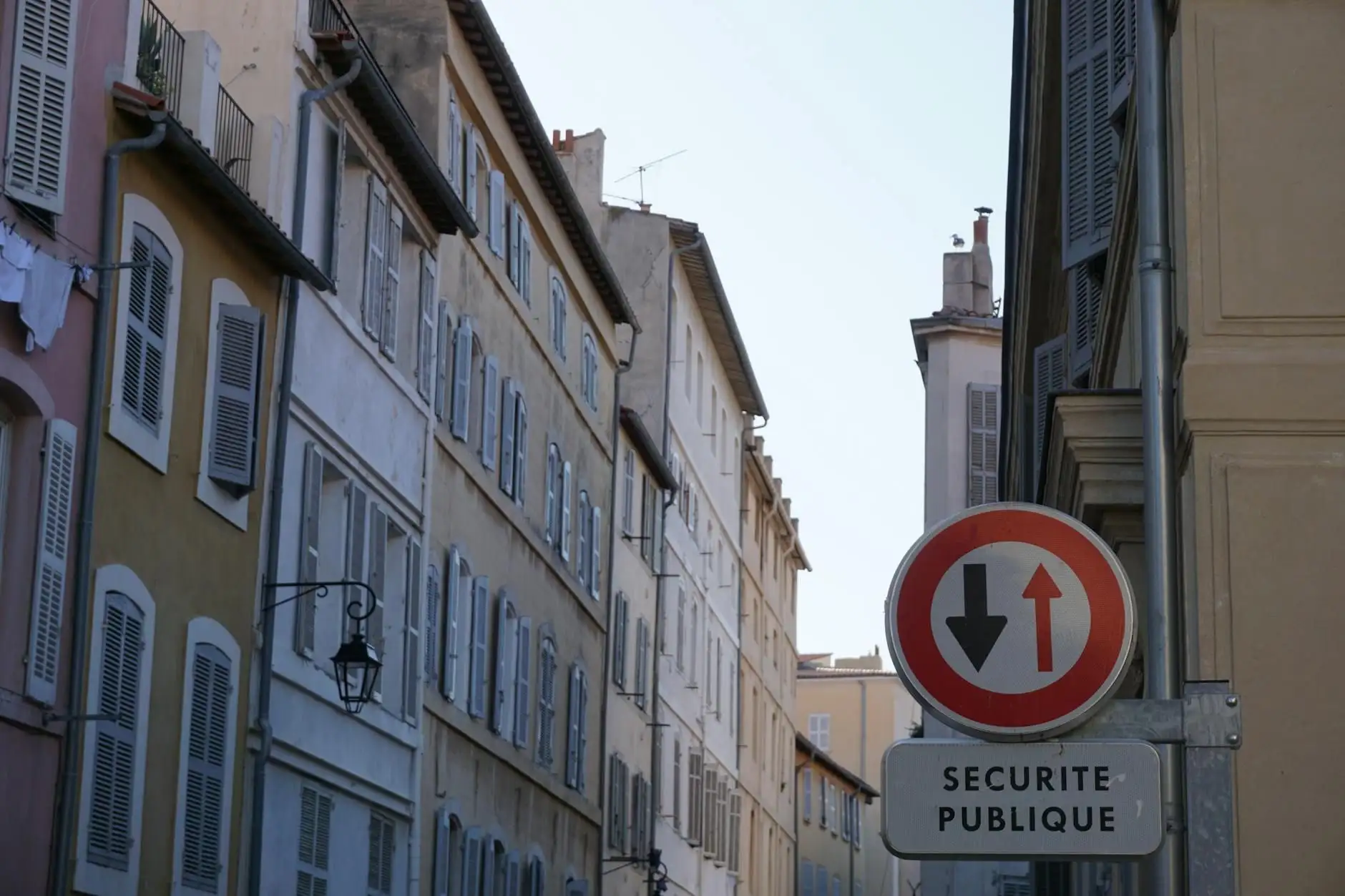
A wellness approach above all
Buyers of CBD products most often report a motivation linked to relaxation, sleep or managing ordinary stress, in a non-therapeutic setting. This orientation matches the vocabulary authorised in France: "soothing ritual", "moment of relaxation", never "treatment" or "remedy". Brands that respect this legal framework address an audience looking for a complement to their lifestyle habits, not for a medical solution.
A broader population than the image often conveyed
Contrary to an image sometimes associated with recreational cannabis, the opinion surveys commissioned on the subject, notably by IFOP, describe an audience that cuts across ages and socio-professional categories. Specialist shops and parapharmacy chains observe a clientele ranging from young working adults to retirees, with a growing share of women among buyers of CBD cosmetics.
Preferred purchasing channels
The French CBD market has structured itself around several channels: specialist physical shops, which have appeared in numbers since 2018, dedicated e-commerce sites, and more recently certain parapharmacy shelves for cosmetics. Each channel implies a different level of advice: a physical shop allows a direct exchange about the certificate of analysis and the choice of format, something an online purchase does not always replace.
Regulatory vigilance to factor in
The CBD consumer has to cope with a shifting legal framework. Since 15 May 2026, ingested products (gummies, infusions, drinks) without a Novel Food authorisation have been withdrawn from the French market, which has reshuffled buying habits towards flowers, oils positioned for external use, and cosmetics. An informed consumer systematically checks the certificate of analysis, the THC content of the finished product (≤ 0.30%) and the absence of synthetic cannabinoids prohibited since 2023-2024 (HHC, H4CBD, THCP). Our CBD buying guide sets out these criteria.
What brands are not allowed to say
No brand may target a consumer by promising them a therapeutic effect: Regulation (EC) No 1924/2006 prohibits any health claim for cannabidiol. Compliant commercial messaging remains descriptive and centred on wellbeing, with no promise of a result on a specific symptom.
CBD is not a medicine. If in doubt, consult a healthcare professional.
Frequently asked questions
Is CBD consumed mainly by young people?
No, the available surveys describe a population that cuts across ages, from young working adults to retirees, with no clearly established dominant profile.
Do women buy more CBD than men?
CBD cosmetics attract a substantial female clientele, but the market as a whole (oils, flowers) remains mixed according to specialist retailers.
Where do French consumers mainly buy their CBD?
Specialist physical shops, dedicated e-commerce sites and, increasingly, parapharmacy shelves for cosmetics.
What do CBD consumers most often look for?
A wellness approach: relaxation, an evening ritual, managing everyday stress, with no therapeutic expectation recognised by the French authorities.
Written by the Phytogrammes team
Every article in this journal draws on primary sources (ANSM, EFSA, EUR-Lex, peer-reviewed publications) and on the lab's own practice: batch-by-batch HPLC analyses, measured cannabinoid profiles. Our approach.
Article published on . CBD is not a medicine.
Phytogrammes products that pair well
Further reading

recette·12 May 2026
No-bake CBD cheesecake: a homemade recipe
A biscuit base, a cream cheese filling and CBD oil folded in cold: the recipe for a no-bake cheesecake, intended for personal use.
recette·12 May 2026
Homemade CBD mayonnaise: the recipe for hot dogs and crisps
A smooth mayonnaise infused with CBD, designed to go with hot dogs and crisps at a homemade aperitif, with the dose kept under control.
resine-cbd·12 May 2026
Strong CBD resin: how to choose well before buying
CBD content, extraction method, terpene profile: what makes a CBD resin genuinely strong, and how to verify it on the label.