← Journal/12 May 2026·3 min de lecture
CBD oil: everything to know before your first purchase
Par The Phytogrammes team ·
A CBD oil is a blend of cannabidiol extracted from hemp and a carrier vegetable oil, generally hemp or olive, designed for sublingual use. Understanding its composition, the extraction method used and the type of spectrum chosen allows you to make an informed purchase rather than relying on the marketing label alone.
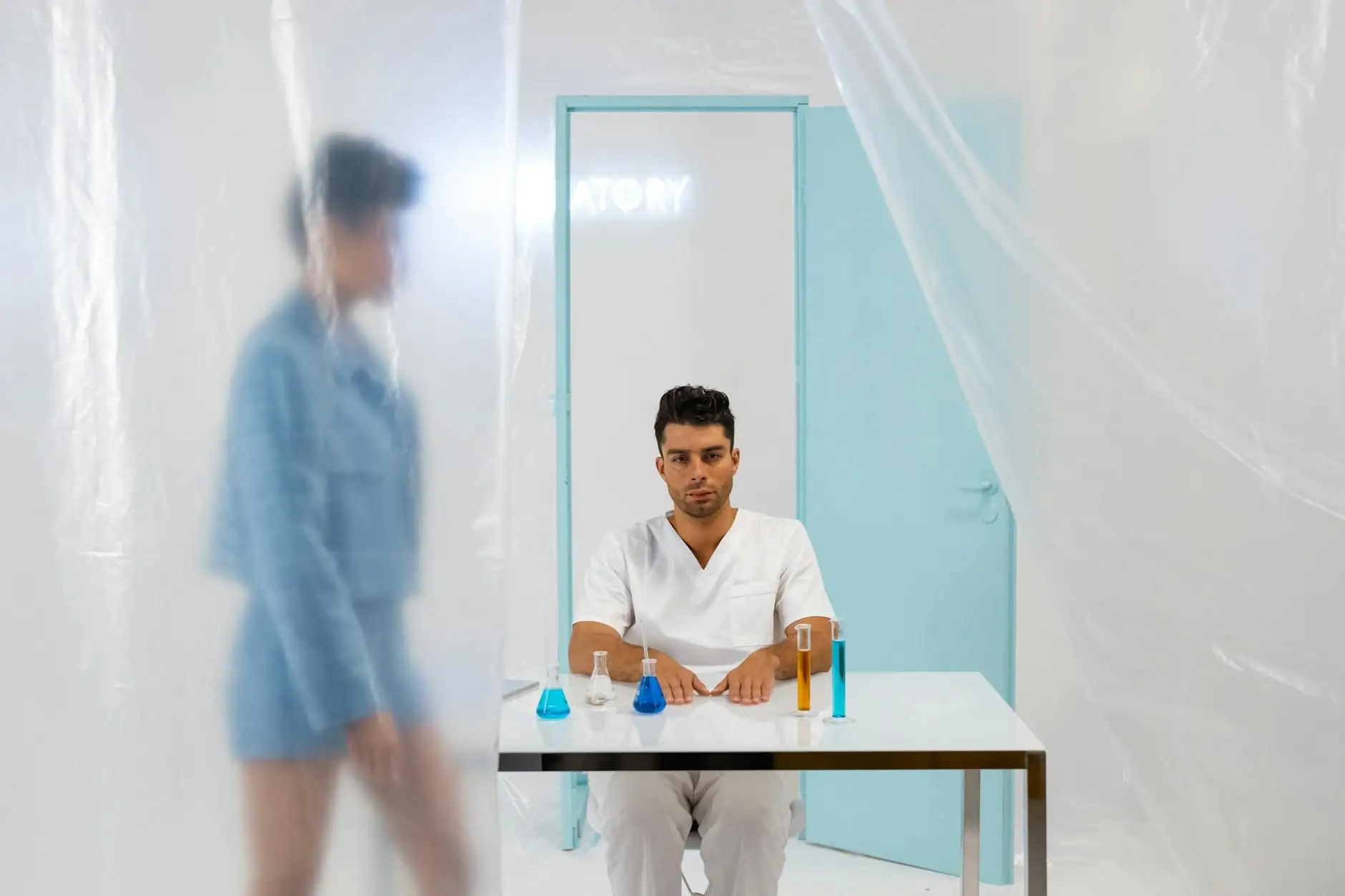
What a CBD oil actually is
A CBD oil combines two elements: a hemp extract rich in cannabidiol, and a vegetable oil that acts as a carrier and aids sublingual absorption. The concentration, expressed as a percentage or in mg per bottle, determines the amount of CBD delivered per drop. Two oils showing the same concentration can differ considerably in quality depending on the extraction method and on whether other cannabinoids and terpenes are present.
How it is made
Extracting CBD from the hemp flower is done mainly by supercritical CO2, a method that preserves the aromatic profile well without leaving solvent residue, or by ethanol extraction, which is faster but sometimes less selective. The resulting extract is then diluted in the carrier vegetable oil to the desired concentration. A certificate of analysis from an independent laboratory must confirm the actual CBD content and the absence of contaminants after this process.
Full spectrum, broad spectrum or isolate: which base to choose
Full spectrum retains all of hemp's natural cannabinoids and terpenes, including traces of THC within the legal limit of 0.30%. Broad spectrum removes the THC by filtration while retaining the other minor cannabinoids. Isolate, a CBD crystal that is 99% pure or more, contains neither THC nor terpenes. The choice depends on how sensitive you are to the risk of roadside testing and on your preference for hemp's natural aromatic profile. To explore this distinction further, see our full spectrum versus isolate comparison.
How to read the label and the certificate of analysis
A reliable label states the total CBD content, the type of spectrum, the nature of the carrier oil, and points to a recent certificate of analysis from an independent laboratory. That document must confirm the actual cannabinoid content, a THC level in line with the legal threshold, and the absence of prohibited cannabinoids such as HHC or THCP. The absence of this information on a product should raise concern before any purchase.
How to use it day to day
The oil is generally taken under the tongue, where it is held for thirty to sixty seconds before being swallowed, which favours a more direct absorption than the ordinary digestive route. The dose varies according to the concentration of the bottle and individual sensitivity: it is recommended to start with a small amount and adjust gradually. CBD is not a medicine and must never replace a prescribed treatment; if you are on medication, ask your pharmacist for advice before any regular use.
Frequently asked questions
What is the difference between a CBD oil and a hemp seed oil?
Hemp seed oil is a food oil with no CBD and no particular effect, pressed from the seeds. CBD oil contains an extract of the flower, rich in cannabidiol, diluted in a carrier oil.
How long before you feel an effect?
Sublingual absorption generally acts within fifteen to thirty minutes. Reported effects vary considerably from person to person and are not associated with any therapeutic guarantee.
Can a CBD oil be kept for a long time?
Kept away from light and heat, a CBD oil remains stable for several months after opening. Always check the expiry date shown on the bottle.
How can you tell whether a CBD oil is of good quality?
Check for a recent certificate of analysis dated to the specific batch, a traceable hemp origin, and the absence of any therapeutic claim, which would in any case be illegal in France.
Written by the Phytogrammes team
Every article in this journal draws on primary sources (ANSM, EFSA, EUR-Lex, peer-reviewed publications) and on the lab's own practice: batch-by-batch HPLC analyses, measured cannabinoid profiles. Our approach.
Article published on . CBD is not a medicine.
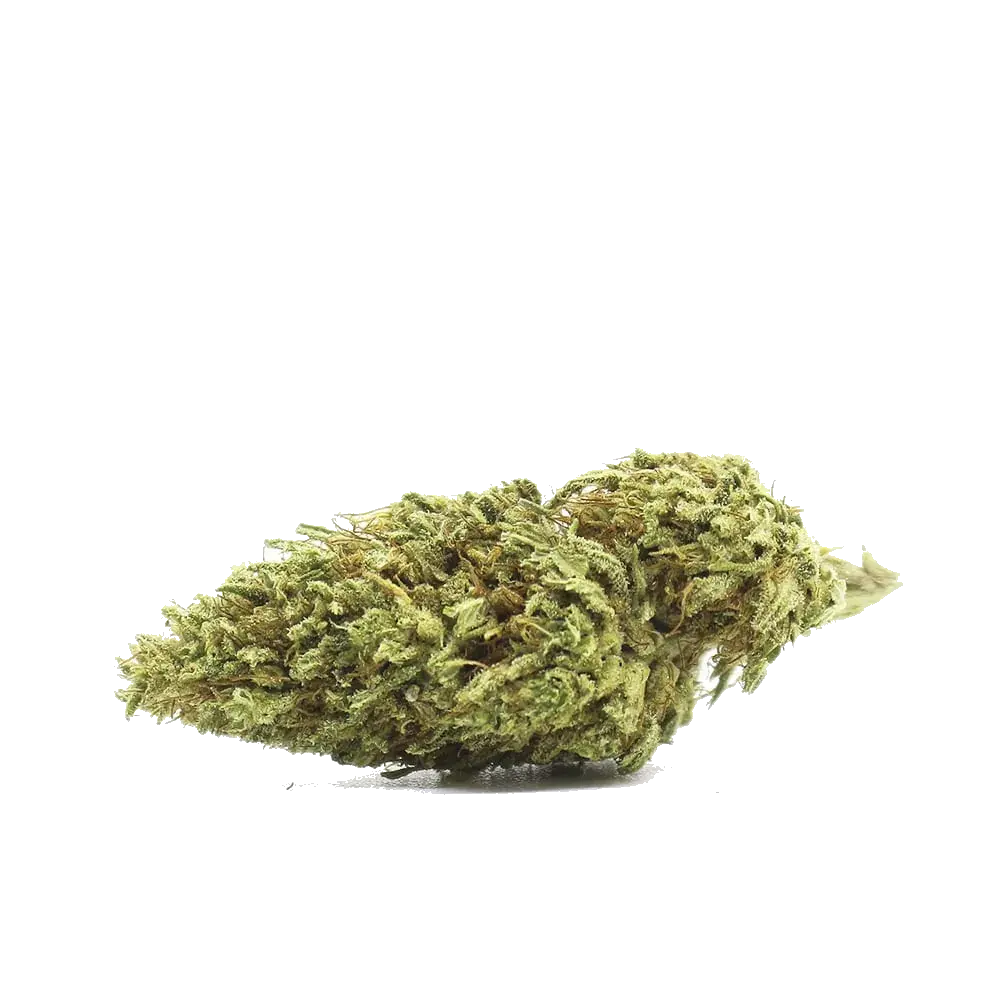
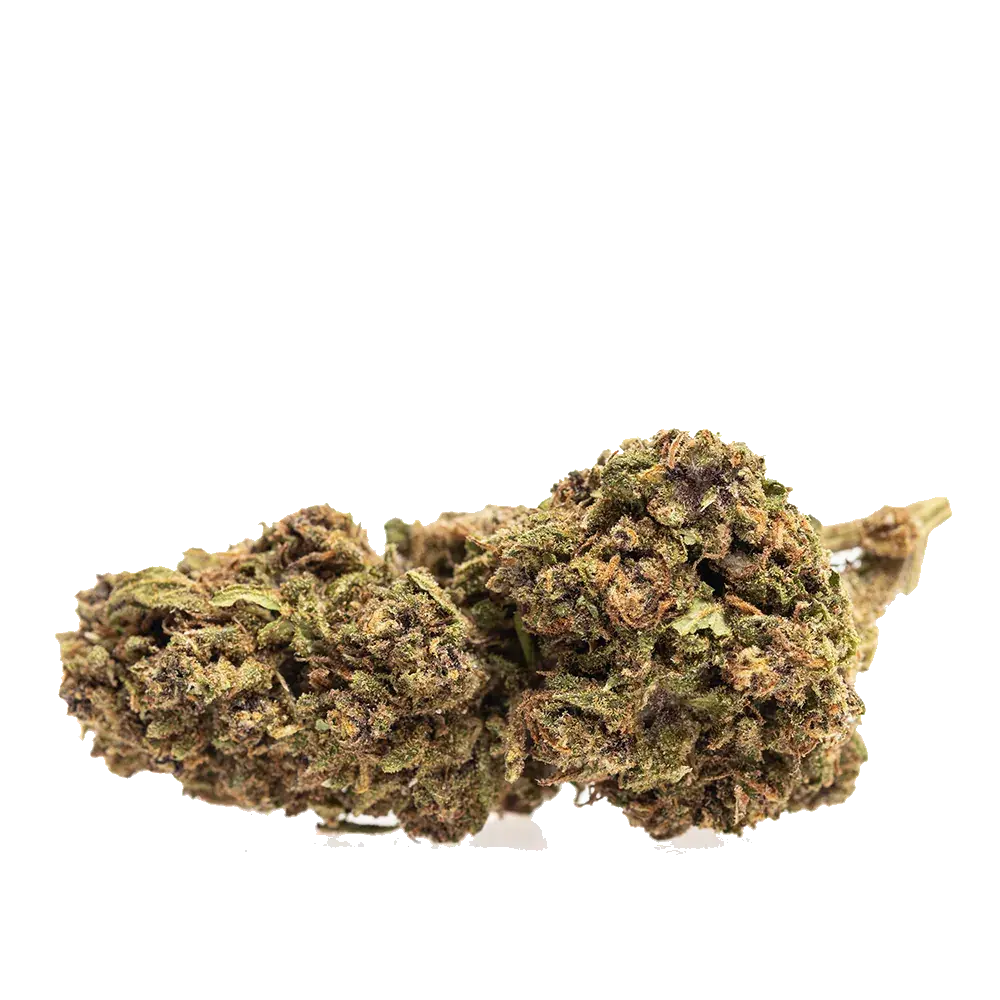
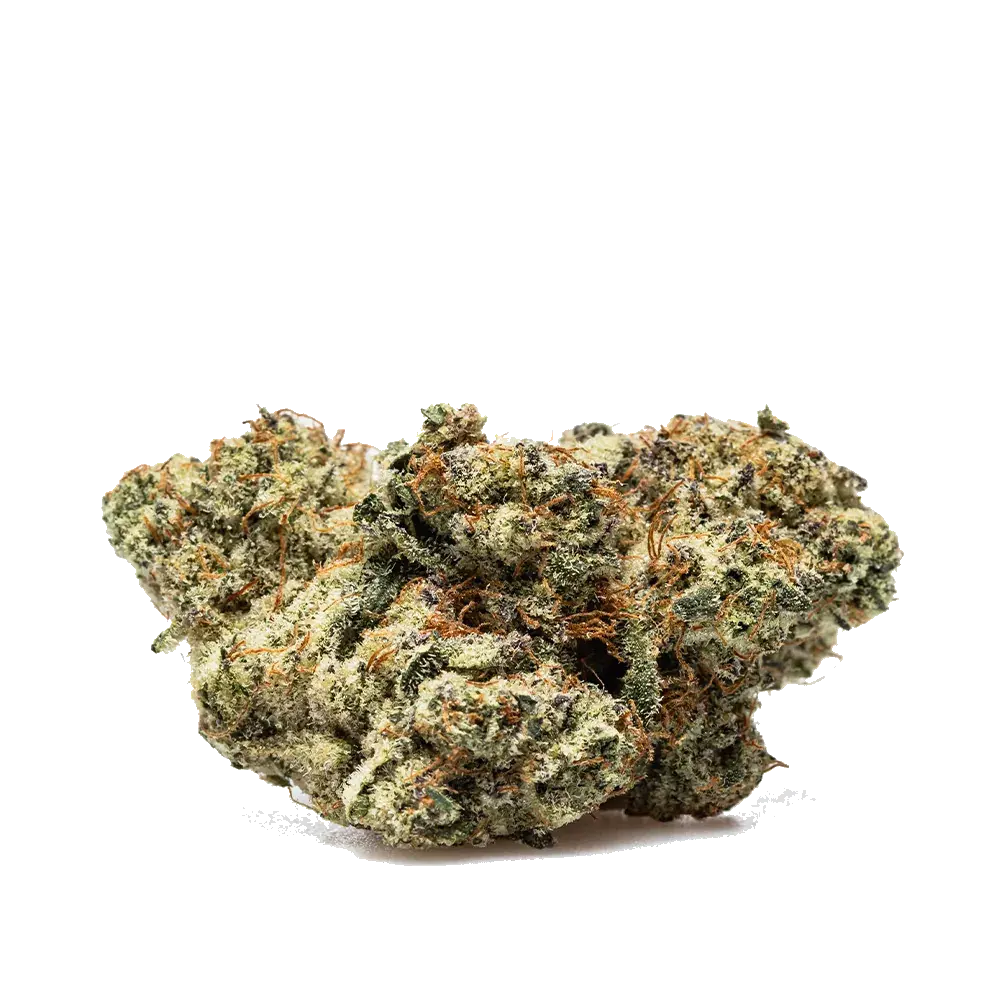
Phytogrammes products that pair well
Further reading

lemon-haze·12 May 2026
Lemon Haze: the story of a cult cannabis strain
A look back at the origins of Lemon Haze, an emblematic strain of the 2000s cannabis scene, now available in a legal CBD version.

cbd·9 August 2026
CBD and drug testing: the 2026 guide (saliva, blood, urine)
Can you test positive after CBD? Yes, if the product contained THC, even below the legal threshold. Detection windows, thresholds and what actually helps: the complete guide, test by test.
fleurs·9 August 2026
Organic CBD flowers: what the label really guarantees in France
The EU organic label certifies a hemp crop, not a smokable flower. What 'organic' actually covers, why the claim is often unverifiable, and what can be verified instead.