CBD cosmetics: reading fragrance allergen labels in 2026
To identify fragrance allergens on a CBD cosmetic label, look for individual names in the Ingredients list, then check the intended use. The European regulation adds requirements for 56 additional allergens. The word Parfum does not replace their disclosure when the regulatory conditions require it (European Commission, 2023).
Contents
A cream may now display more names without having changed its formula. Conversely, a short list does not prove that fragrance substances are absent. This guide gives a 5-step reading method for cosmetics marketed in France under European Union rules. It complements the guide to CBD creams, balms and gels, with a specific purpose: understanding the information available before comparing products.
> Key takeaways > > - Read the complete list, not just the CBD wording. > - Parfum and allergen names provide different information. > - The threshold depends on rinsing, not the container format. > - Eligible stocks may remain available until 31 July 2028 (European Commission, page accessed on 12 September 2026).
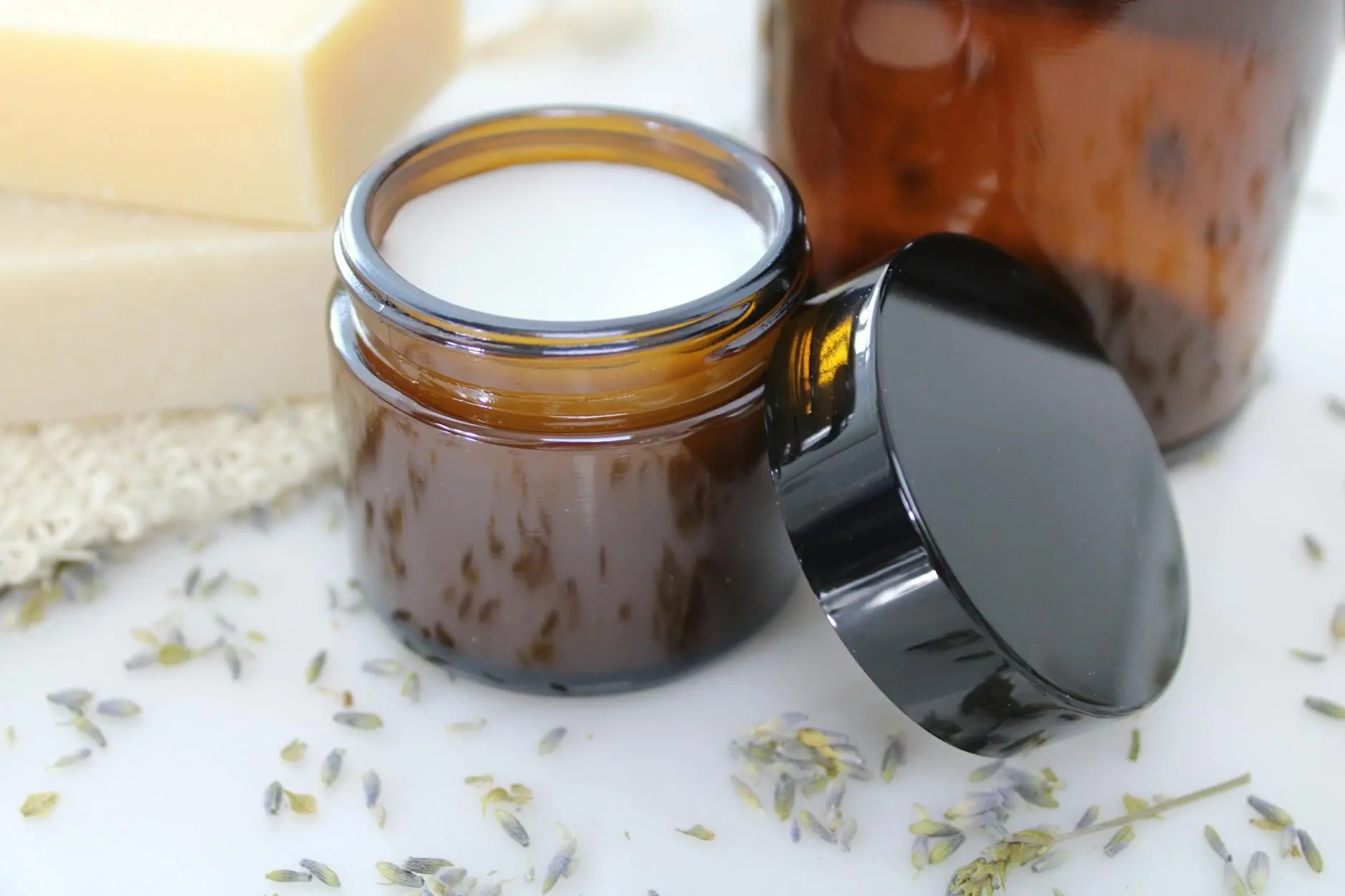
Illustration: a cream jar and dried flowers. The photograph does not establish the composition. Photo: Taffy Buoniconti, Pexels.
Where are fragrance allergens listed on CBD cosmetics?
Allergens requiring disclosure appear in the ingredients list, usually on the packaging. Article 19 of the Cosmetics Regulation governs this information. Ingredients present at less than 1% may appear in any order after the others: their position therefore cannot tell you their concentration (European Union, 2026).
Look for the Ingredients section on the jar, tube and especially the outer box. Do not limit your search to the front, which may highlight hemp or CBD. A photograph showing only the commercial name cannot support this check. Ask for a clear image of the back or the complete list when the product page does not reproduce it.
Parfum and Aroma refer to perfume or aromatic compositions and their raw materials. Names such as Limonene or Linalool may accompany that term. France’s DGCCRF explains this distinction in its cosmetic labelling guidance, consulted in 2026. These terms do not rank quality. They describe the declared composition.
A botanical name does not remove the need to look for other names. A substance requiring disclosure may come from a plant-derived raw material. The word “natural” therefore does not answer the question “is this allergen present?” For other packaging information, the guide to mandatory wording on CBD products in France provides further context.
What changes during the European transition from 2026 to 2028?
After 31 July 2026, products newly placed on the European market must meet the updated labelling requirements. Stocks qualifying for the transition may remain available until 31 July 2028. The Commission therefore distinguishes first placement on the market from continued distribution through the supply chain (Regulation 2023/1545, 2023).
The amending regulation does not introduce allergen labelling from scratch. Its recitals mention 24 allergens then requiring individual disclosure, followed by 56 additional allergens identified by the scientific committee. It also updates names and groups certain substances. Focus on the expanded information: adding together lists found online cannot establish whether a formula complies (European Commission, 2023).
| Reference point | What it means when reading a label |
|---|---|
| 31 July 2026 | Last date for first placing products covered by the transitional provisions on the market |
| 31 July 2028 | End of availability for stocks qualifying for the transition |
| Your purchase date | It does not establish when the product was first placed on the market |
The dates in the table come from the European regulation cited above. The transition covers products complying with the rules applicable before the amendment and meeting its conditions. It does not permit every older label. The relevant date concerns each physical unit, not an entire brand or batch. Manufacturing does not prove placing on the market (AEMPS, 2026).
Different packaging does not necessarily mean a new formula. More names can reflect more detailed information rather than added fragrance. To compare versions, ask separately whether the formula changed and whether only the declaration was updated. The distinction follows from the purpose of the regulation, which is to strengthen individual disclosure.
Which thresholds trigger fragrance allergen disclosure?
Individual disclosure depends on the concentration in the finished product: above 0.001% for a leave-on product and 0.01% for a rinse-off product. These labelling thresholds are neither CBD percentages nor a guarantee of individual tolerance. They determine when the relevant fragrance allergen must be named (European Commission, 2023).
A cream intended to remain on the skin is a leave-on product. A cleanser intended to be washed away with water is a rinse-off product. The word “gel” does not settle the matter: it can describe products with different intended uses. Read the function and directions before interpreting the ingredients list.
An absent name does not prove a zero concentration. It may reflect a concentration that does not trigger this requirement, or an older presentation permitted during the transition. The label does not provide the complete quantitative formula. It therefore cannot reveal an exact percentage from an allergen’s position in the list.
Reading tip: identify the intended use first, then look for names. The number of lines in the list measures neither the amount of fragrance nor the product’s suitability for your situation.
How can you read the label in 5 steps?
The method links the exact product, its intended use, the declared names and the packaging version. Article 19 requires, among other details, a batch number or identification reference. Record it to obtain an answer that applies to the product you have, rather than to a generic photograph (European Union, 2026).
1. Identify the product and batch
Write down the complete name, variant and batch. Photograph the container and outer box together, and keep a readable copy of the list. Two versions with similar names may display different information. When buying online, ask which version matches the stock being shipped, without assuming the promotional photograph is recent.
2. Check whether rinsing is required
Read the directions all the way through. Texture, the word “balm” or a pump dispenser cannot replace the intended use. The guide to assessing a cream, balm or gel helps you examine this presentation without inferring effects from the cosmetic format alone.
3. Read the complete Ingredients list
Look for Parfum or Aroma, then the individual names. Limonene and Linalool are established examples; Linalyl Acetate appears among the new entries. Search for the exact spelling in Annex III rather than an approximate translation. That annex provides the applicable names and conditions, including substance groupings (European Commission, 2023).
4. Compare information for the same version
Compare the packaging you received with the online product page. If the lists differ, send photographs and the batch reference to the seller. Ask for the list matching this version and the reason for the difference. During the transition, a discrepancy calls for clarification, but it does not automatically establish either a composition change or a breach of the rules.
5. Ask a verifiable question
Make the request specific: “Does this list match the batch shown, and has the formula changed or only the label?” A useful answer identifies the product and version concerned. A general statement about natural ingredients or quality does not answer that documentary request. Keep the reply together with the photographs.
Frequently asked questions
Is Parfum enough to declare every allergen?
No. Parfum identifies a composition, while certain components require individual names under the applicable conditions. The expansion concerns 56 additional allergens. Read the entire list rather than looking only for this word or assuming that every fragrance substance must appear separately on the packaging (European Commission, 2023).
Are older labels banned immediately in 2026?
No, not automatically. Products qualifying for the transition may remain available until 31 July 2028. Your purchase date does not establish the date of first placing on the market. The seller should be able to clarify the position of the relevant stock; a photograph alone is not enough (Regulation 2023/1545, 2023).
Does “allergen-free” guarantee there is no risk?
No. The DGCCRF considers this claim potentially misleading because any substance can be a potential allergen. Its guidance mentions the older list of 26 substances: that historical figure does not describe the current expanded scope. Distinguish this warning about claims from the updated disclosure requirements (DGCCRF, 2025).
Keep label reading useful
To identify fragrance allergens on a CBD cosmetic label, start with the list matching the product received. If it differs from the online page, send the batch reference and photographs to the seller. Ask whether the formula changed or only its declaration. The label documents composition without guaranteeing individual tolerance.
Sources and dates
All sources linked in this article were accessed on 12 September 2026. The dates below identify the text or document version, not the access date.
- European Commission: Regulation (EU) 2023/1545 of 26 July 2023, disclosure requirements and transitional provisions.
- European Commission: “Fragrance allergens labelling”, explanatory page whose publication date is not established here. Access does not constitute publication in 2026.
- European Union: Cosmetics Regulation 1223/2009, consolidated version dated 18 May 2026, Article 19. This is the consolidation date.
- DGCCRF: “Étiquetage de vos produits cosmétiques : comment le décrypter”, published on 4 December 2025.
- AEMPS: clarification on expanded fragrance allergen labelling and the transition, published on 14 July 2026.
- DGCCRF: “Allégations ‘sans’ dans les produits cosmétiques”, the guidance cited from 2025; its historical count does not describe the current expanded scope.
Written by the Phytogrammes team
Every article in this journal draws on primary sources (ANSM, EFSA, EUR-Lex, peer-reviewed publications) and on the lab's own practice: batch-by-batch HPLC analyses, measured cannabinoid profiles. Our approach.
Article published on . CBD is not a medicine.