Hemp cosmetics packaging: 5 sorting checks in France
To sort hemp cosmetics packaging in France, read Info-tri, empty the container and separate glass from other packaging. Hemp content does not determine the bin. Unusable contents and empty packaging follow different instructions, as explained in ADEME’s cosmetics guidance.
Contents
- 011. Where is the sorting instruction for hemp cosmetics?
- 022. Should packaging be washed before sorting?
- 033. Separate glass from other packaging
- 044. What about pumps, droppers and material symbols?
- 055. How do sorting, recycling and refilling differ?
- 06Frequently asked questions
- 07Sort the next container
A jar, its lid and its outer box may need different sorting actions. This guide covers creams, balms and other household cosmetics discarded in France. The guide to CBD creams, balms and gels helps identify the product type. To distinguish its formula from container information, also consult the checks for assessing a cream, balm or gel.
> Key takeaways > > - Info-tri separates 2 pieces of information: the relevant components and their destinations, according to the French environment ministry. > - Empty containers; there is no need to wash every one. > - Use glass collection points for glass packaging. > - Check accessories, leftover contents and refill options separately before deciding where each item belongs.
1. Where is the sorting instruction for hemp cosmetics?
Look for Info-tri on the jar, outer box or leaflet before choosing a bin. The ministry describes 2 pieces of information after the Triman symbol: the components concerned and their destinations. Reading these details lets you follow the packaging instruction instead of making an assumption based on its appearance (French environment ministry).
Lay out everything that came with the product: box, leaflet, jar and closure. Info-tri may group some components together or direct them to different collection streams. An arrow and a component name are more useful than a general impression of the material. If the text is tiny, enlarge a photograph rather than relying on the most visible symbol.
The word “hemp” may describe the formula without saying anything about the container. Our article on hemp in cosmetics explains that first level of label reading. For sorting, return to the actual object: cream jar, tube or bottle. Use that concrete description when searching a waste sorting assistant, rather than the ingredient promoted on the front.
2. Should packaging be washed before sorting?
Empty packaging thoroughly; there is no need to wash every container. ADEME's guidance explains that processing facilities can handle residues. An emptied container and one still filled with cream are therefore different sorting cases. The practical requirement is to remove the contents, not to make the packaging look unused (ADEME, packaging).
Finish the product if it remains usable. If it isn't usable, ADEME directs its contents to residual household waste, never down the sink. Remove what you can without taking the container apart dangerously. If the product cannot be emptied, the agency's general instruction is to put it in residual household waste with its contents.
You don't need to rinse until every trace disappears: the purpose is to prevent a whole product entering packaging collection, not to restore a jar to its original appearance. Don't turn preparation into prolonged washing or transfer cream into drains. A thin residue left after emptying isn't a reason to start the process again.
Practical distinction: “empty” describes the container's condition when sorted. “As clean as new” adds a requirement that isn't part of the general instruction.
3. Separate glass from other packaging
Empty cosmetics packaging has 2 main destinations: glass collection for glass, and packaging collection for plastic or metal. ADEME distinguishes these materials in its cosmetics guidance. Cardboard boxes and paper leaflets also go into the appropriate packaging and paper stream. Read the instruction for each component rather than treating the product as a whole (ADEME).
The colour of the lid alone does not determine where an amber jar belongs. Identify the body material and check the closure instruction separately. Conversely, a transparent container isn't necessarily glass. Weight, transparency or the sound it makes cannot replace the manufacturer's information when you're unsure what the container is made from.
| Emptied component | General destination in France | Useful check |
|---|---|---|
| Glass jar or bottle | Glass collection point | Remove components as directed by Info-tri |
| Plastic tube or jar | Packaging collection | Read the closure instruction |
| Cardboard box, leaflet | Packaging and paper collection | Keep them separate from the jar |
| Metal or plastic lid | Packaging collection | Follow separation instructions |
This table reflects the destinations in the ADEME guidance cited above, not a guarantee of actual recycling. Bin colours can vary locally. Read the bin label and check your municipality's arrangements. If a return-for-reuse symbol appears on the container, investigate that option before placing it in glass collection, rather than assuming recycling is the only available route.
4. What about pumps, droppers and material symbols?
Follow Info-tri for closures and search for the exact object if the instruction is missing. A material number isn't enough: ADEME illustrates code 2 for high-density polyethylene. That code identifies a material without determining the correct action for every assembled component or complete container (ADEME, sorting symbols).
A pump can contain several hidden parts. A dropper may combine a tube, collar and flexible bulb. Don't apply a simple lid instruction to these assemblies, and don't force them open with a tool. Check the manufacturer's information or ADEME's sorting assistant, specifying both the container and the accessory involved rather than describing it only as cosmetics packaging.
An object used with a cosmetic is not automatically packaging: a brush or durable accessory needs its own search. Look up the bottle and accessory separately in ADEME’s assistant, or ask the manufacturer for instructions for that assembly. Describe the visible parts and attach a photograph if their material remains uncertain.
5. How do sorting, recycling and refilling differ?
Sorting doesn't guarantee that every component becomes a new material. ADEME explains that all packaging has a sorting instruction, while treatment routes differ. A refill or return-for-reuse scheme requires another check: the container must belong to the scheme being offered. A general claim about reuse doesn't establish that connection (ADEME, packaging).
Before buying again, ask whether a compatible refill exists, where it is available and which container to keep. Packaging described as refillable is of limited practical use if the refill can't be obtained. Compare secondary packaging as well as the main bottle. These questions let you assess a concrete option without assigning environmental savings to a product that hasn't been studied.
Don't read “bio-based” as “compostable”. ADEME distinguishes the origin of a material from the conditions under which it breaks down. Packaging containing plant-derived material still has a specific disposal instruction. A garden or home compost bin doesn't become its default destination because a leaf or the word hemp appears on the outer box.
Before buying again: note which container to keep, which refill fits and where returns are accepted. A promise without practical instructions isn't enough to organise reuse.
Frequently asked questions
Can a jar that still contains balm go into glass collection?
Empty it before sorting. ADEME's cosmetics guidance asks users to separate unusable contents from empty packaging. Don't pour balm down the sink. If you cannot empty the container, the agency directs the product concerned to residual household waste rather than glass collection. The glass material alone doesn't settle the question.
Should every part of a pump be removed?
Don't dismantle every part as a general rule. Info-tri provides 2 pieces of information, component and destination, according to the ministry cited above. Follow the instruction for your bottle. If the pump isn't clearly described, ask the manufacturer or search the sorting assistant for that assembly without forcing it apart.
Can bio-based packaging go into home compost?
Not on the strength of the “bio-based” label alone. It describes the material’s origin, not its compostability. ADEME explains that a compostable material may require an industrial facility. Check the container’s instruction and the specified collection or composting conditions; do not treat industrial and home composting as equivalent.
Sort the next container
Photograph Info-tri before discarding the outer box if the instruction does not appear on the container. When the product is used up, you can assign an action to each component. For an unspecified pump or assembly, request precise instructions from the manufacturer or municipality. A hemp ingredient in the formula says nothing about those materials.
Sources and dates
The four references linked in the text were accessed on 12 September 2026 (2026-09-12). Their editorial dates are separate from that access date.
- ADEME, “What to do with cosmetics, products and packaging”: updated on 2026-05-04; instructions for contents, glass and other packaging.
- French environment ministry, “Info-tri”: published on 2024-08-26, updated on 2024-12-16; labelled components and destinations.
- ADEME, “Packaging” guidance: updated on 2026-07-30; emptying and residues.
- ADEME, “Understanding sorting symbols”: published on 2025-11-20; material codes and the distinction between bio-based and compostable.
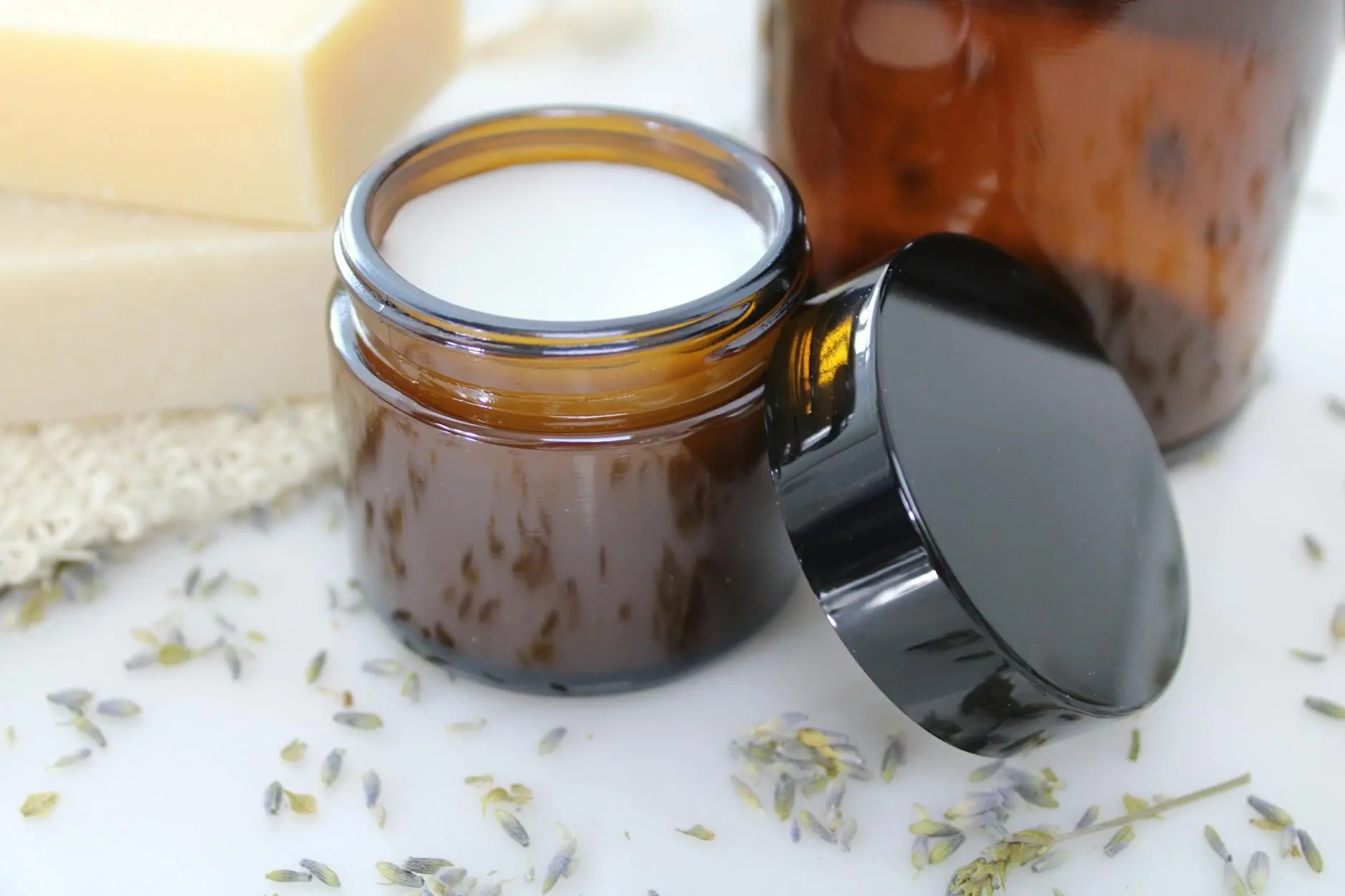
Illustration: an unidentified cream jar, without evidence of hemp content.
Written by the Phytogrammes team
Every article in this journal draws on primary sources (ANSM, EFSA, EUR-Lex, peer-reviewed publications) and on the lab's own practice: batch-by-batch HPLC analyses, measured cannabinoid profiles. Our approach.
Article published on . CBD is not a medicine.