← Journal/16 May 2026·3 min de lecture
What is CBD, or cannabidiol?
Par The Phytogrammes team ·
CBD, or cannabidiol, is one of the main cannabinoids in hemp (Cannabis sativa L.), synthesised directly by the plant and free of psychoactive effect. In France, it has been authorised for sale since the Conseil d'État decision of 29 December 2022, provided the finished product contains no more than 0.30 % THC.
Where CBD comes from, chemically
CBD is produced by the plant from CBGA, often called the "mother molecule" of the cannabinoids, via the enzyme CBDA synthase, then decarboxylated into CBD under the effect of heat or time. It belongs to the phytocannabinoid family, alongside THC, CBG and CBN, but stands apart in having no strong affinity for the CB1 receptors of the central nervous system, which is why there is no "high".
The French legal framework in brief
Three texts shape the use of CBD in France: the Conseil d'État decision of 29 December 2022 (no. 444887), which authorises the sale of hemp flowers and leaves subject to THC ≤ 0.30 %; EU regulation 2015/2283 on novel foods, which governs ingested products; and regulation EC No 1924/2006, which prohibits any health claim for cannabidiol, since it does not appear in the European register.
Since 2026, a turning point for ingested products
On 9 February 2026, EFSA published a provisional safe daily dose of 0.0275 mg/kg of body weight, or around 2 mg a day for a 70 kg adult. Since 15 May 2026, the Directorate General for Food has been withdrawing CBD gummies, capsules, infusions and drinks without an approved Novel Food authorisation from the French market. CBD flowers, resins, e-liquids and cosmetics, for their part, remain authorised under their own separate regime. Our article on CBD gummies sets out those consequences in detail.
The formats available on the market
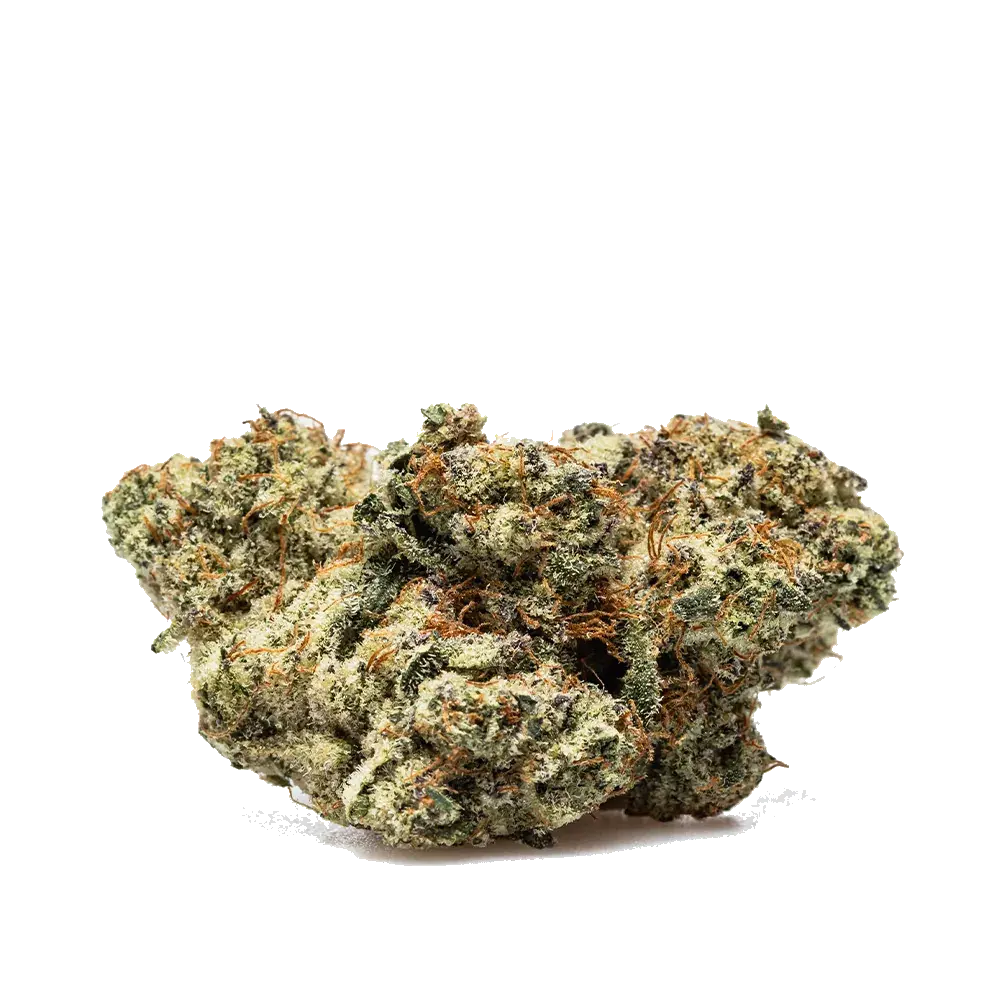
CBD comes as sublingual oils, topical cosmetics, flowers and resins for vaporising, and ingested products subject to the Novel Food regime. Three extract profiles coexist: isolate (pure CBD at 98-99 %), broad spectrum (minor cannabinoids without THC) and full spectrum (the complete plant profile, with traces of THC below the legal threshold).
What CBD is not
CBD is not a medicine: only Epidyolex®, a hospital medicine reserved for certain rare epilepsies, holds a marketing authorisation in France. No therapeutic claim is permitted for wellbeing CBD, and no dosage is approved. Synthetic cannabinoids (HHC, H4CBD, THCP), sometimes confused with CBD, have been classified as narcotics since 2023-2024.
CBD is not a medicine. If in doubt, consult a healthcare professional.
Frequently asked questions
Is CBD legal in France?
Yes, its sale has been authorised since the end of 2022, provided the finished product contains no more than 0.30 % THC.
Does CBD have a psychoactive effect?
No. It has no strong affinity for the CB1 receptors responsible for the "high" of THC.
What is the difference between CBD and CBG?
CBG is the biosynthetic precursor of CBD and THC, present in very small quantities in the mature plant. CBD derives from it after enzymatic conversion.
Can you buy CBD gummies in France in 2026?
No, unless a specific Novel Food authorisation exists: since 15 May 2026, these ingested products have been withdrawn from the French commercial market.
Written by the Phytogrammes team
Every article in this journal draws on primary sources (ANSM, EFSA, EUR-Lex, peer-reviewed publications) and on the lab's own practice: batch-by-batch HPLC analyses, measured cannabinoid profiles. Our approach.
Article published on . CBD is not a medicine.
Phytogrammes products that pair well
Further reading
cbg·16 May 2026
CBG: an introduction to a minor hemp cannabinoid
CBG is gaining visibility on the French hemp market. Here is what we know about its formats, its legal framework and its current limits.
cbd·16 May 2026
CBD liqueur and cocktails: what you need to know
CBD and alcohol do not go together without care. Here is how to make a CBD liqueur or syrup for home cocktails, within the legal framework.
recette·16 May 2026
CBD tzatziki: a cold-mixed home recipe
Greek yoghurt, cucumber, garlic and a touch of CBD oil stirred in cold: the recipe for a home tzatziki, designed for measured personal use.