← Journal/16 May 2026·3 min de lecture
CBG: an introduction to a minor hemp cannabinoid
Par The Phytogrammes team ·
CBG (cannabigerol) is a minor hemp cannabinoid, increasingly visible in specialist French shops in the form of flowers, oils or resins. Its legal status follows that of CBD: a finished product limited to 0.30% THC, with no authorised health claim.
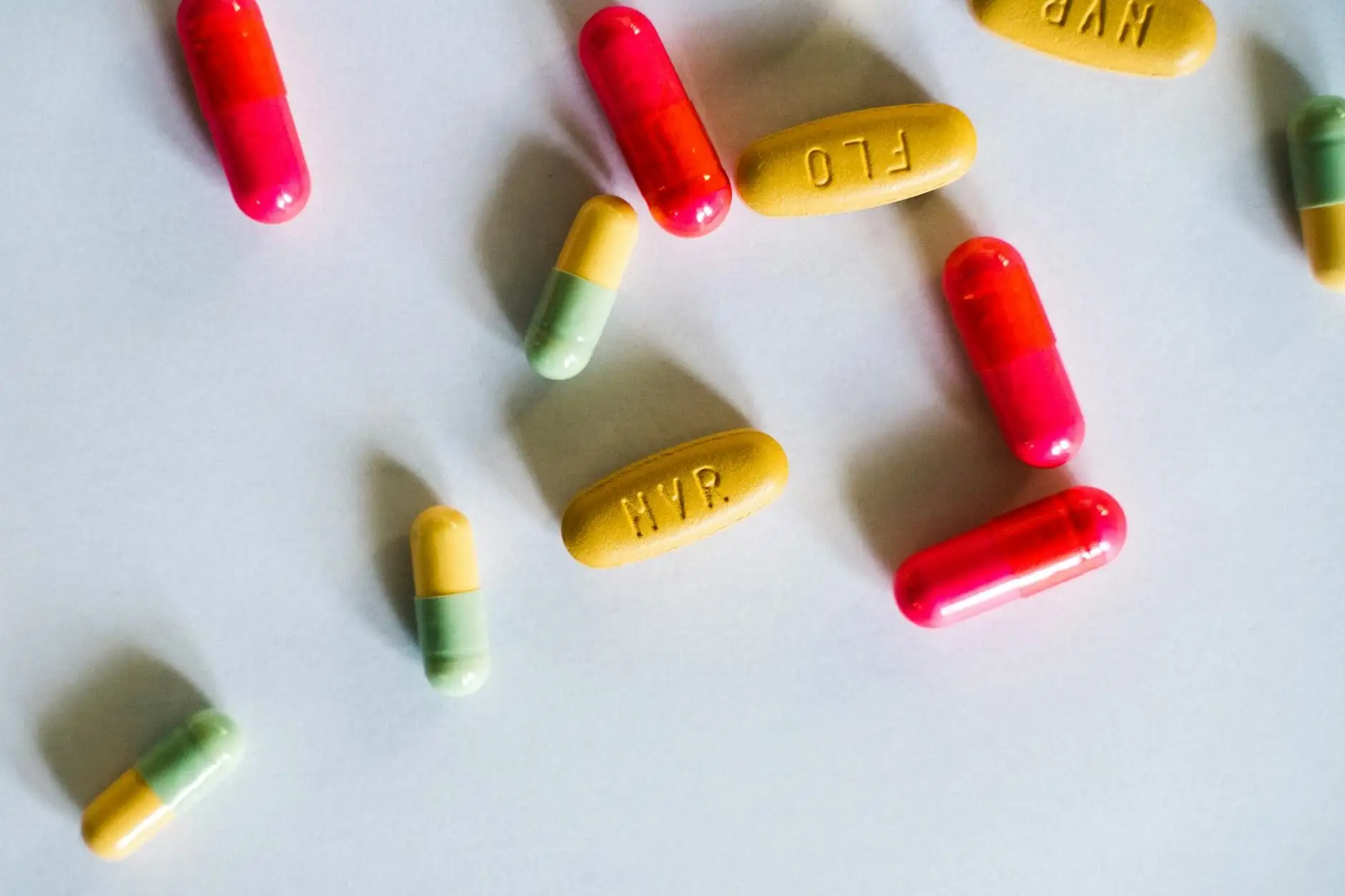
A cannabinoid still little known to the general public
Unlike CBD, widely covered by the media since 2018, CBG remains barely identified by consumers. It is nonetheless present, in very small quantities, in every hemp variety: it is the compound from which the plant then synthesises CBD, THC and CBC. Its commercial presence remains marginal compared with CBD, because of its natural scarcity and the higher production cost that follows from it.
Where to find CBG in France
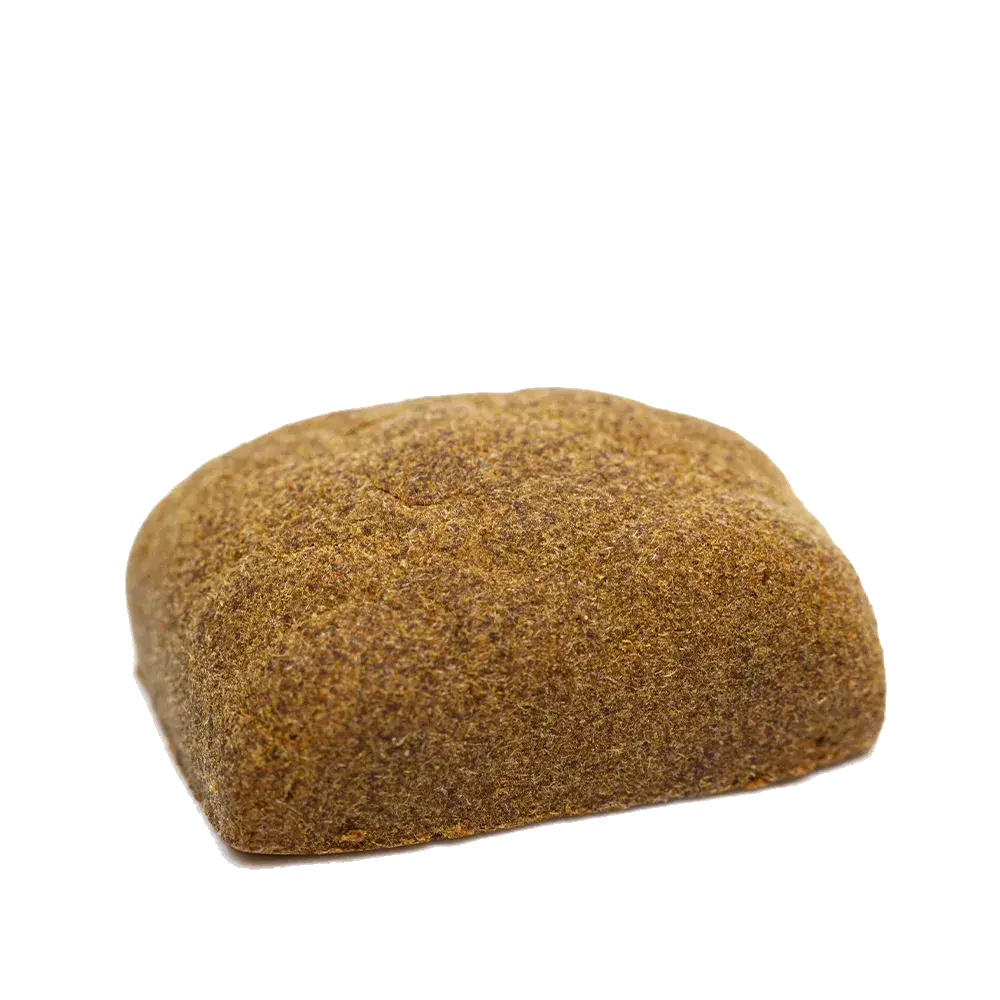
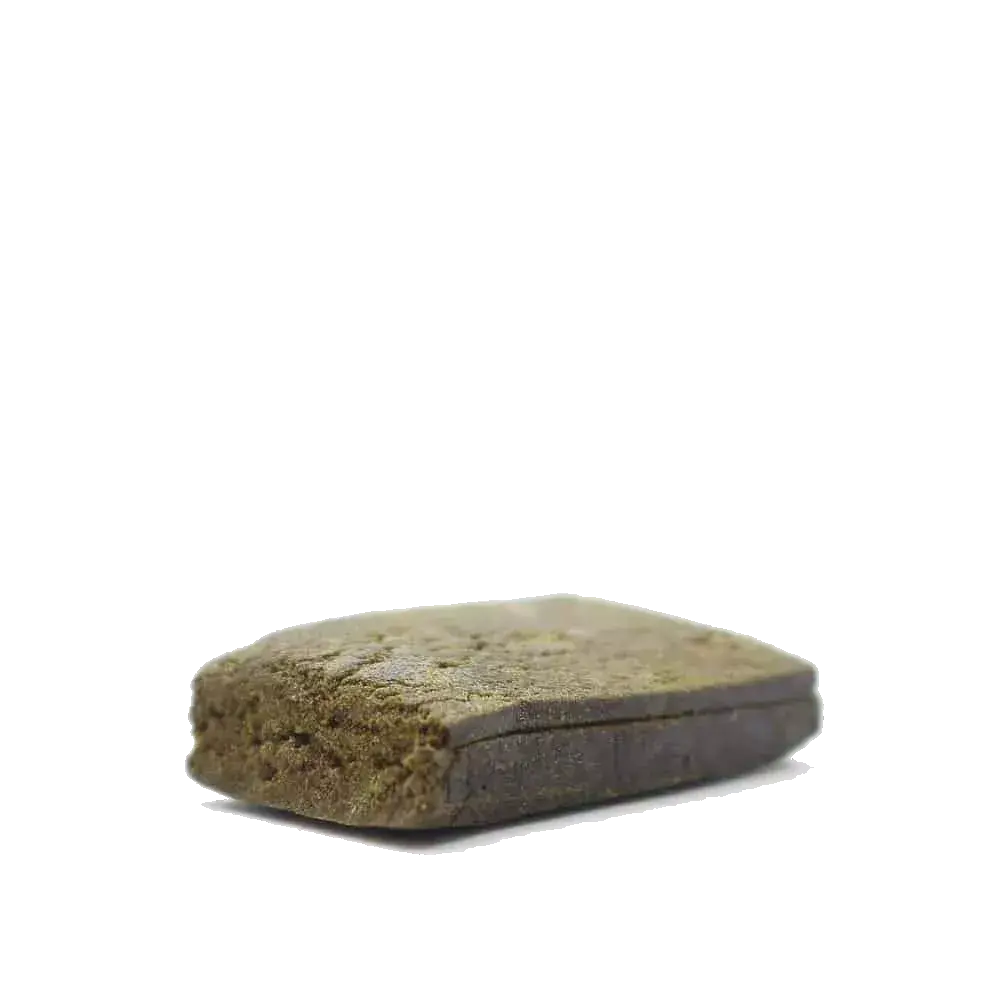
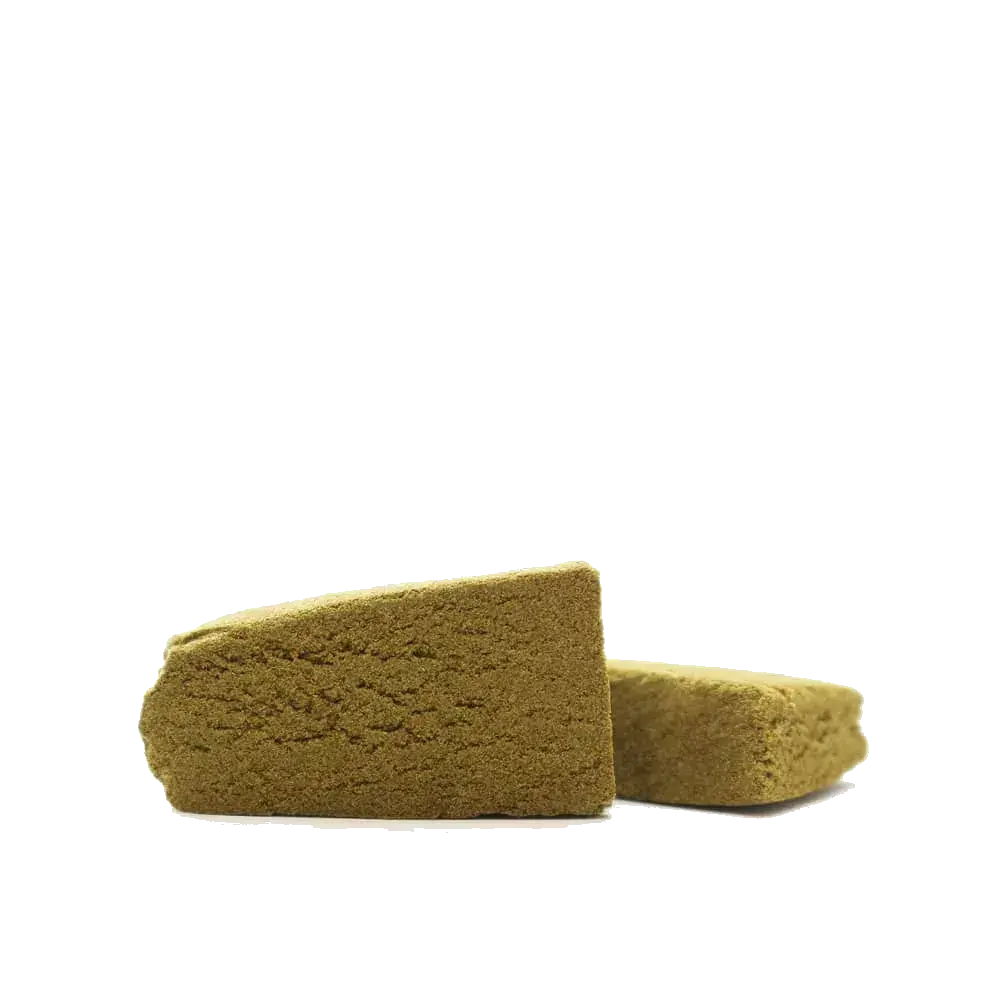
CBG is mainly encountered in three formats: hemp flowers selected for a high CBG content, sublingual oils combining CBD and CBG in varying ratios, and more rarely resins or isolates. Specialist shops generally state the CBG content as a percentage on the label, in the same way as CBD.
What the legal framework allows, and what it prohibits
CBG follows the same legal regime as CBD: the Conseil d'État decision of 29 December 2022 authorises its sale, provided the finished product contains no more than 0.30% THC. No health claim is entered in the European register for CBG, under Regulation (EC) No 1924/2006: a brand may therefore not state any therapeutic benefit, whatever the format sold. An ingestible CBG product (capsule, infusion) falls within the Novel Food scope and is subject to the same withdrawal as CBD gummies since 15 May 2026.
The misconceptions to avoid
CBG is sometimes presented as "more powerful" or "more effective" than CBD in certain marketing messages. No large-scale clinical study currently makes it possible to establish a hierarchy of effectiveness between these two cannabinoids in humans. Likewise, the claim that CBG is "entirely free of risk" needs qualifying: as with CBD, long-term safety data remain limited, hence the importance of choosing a product with an independent certificate of analysis.
How to assess a CBG product before buying
The same criteria as for CBD apply: a per-batch certificate of analysis attesting the actual CBG and THC content, the absence of prohibited cannabinoids (HHC, H4CBD, THCP), a declared hemp variety and a transparent extraction method. Our CBD buying guide sets out these criteria, which transfer to CBG.
CBD is not a medicine. If in doubt about a product, consult a healthcare professional.
Frequently asked questions
Is CBG legal in France?
Yes, like CBD, provided the finished product contains no more than 0.30% THC.
Is CBG rarer than CBD?
Yes; its natural concentration in the mature plant is very low, which limits supply and explains an often higher price.
Can CBG capsules or infusions be found in France?
Since 15 May 2026, these ingestible formats have been subject to the same Novel Food withdrawal as CBD products without European authorisation.
Does CBG have different effects from CBD?
Different mechanisms of interaction with the endocannabinoid system are documented in vitro, but their clinical translation in humans remains little studied to date.
Written by the Phytogrammes team
Every article in this journal draws on primary sources (ANSM, EFSA, EUR-Lex, peer-reviewed publications) and on the lab's own practice: batch-by-batch HPLC analyses, measured cannabinoid profiles. Our approach.
Article published on . CBD is not a medicine.
Phytogrammes products that pair well
Further reading

cbd·16 May 2026
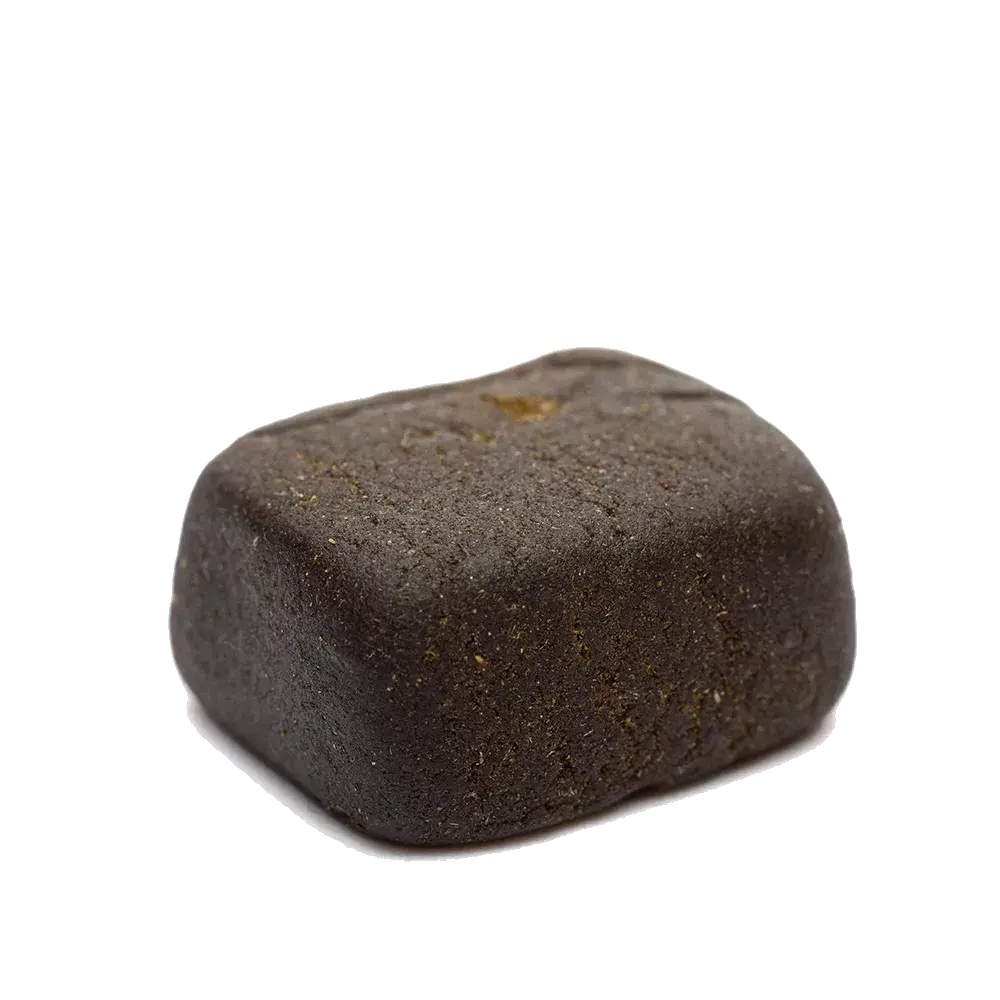
CBD liqueur and cocktails: what you need to know
CBD and alcohol do not go together without care. Here is how to make a CBD liqueur or syrup for home cocktails, within the legal framework.
recette·16 May 2026
CBD tzatziki: a cold-mixed home recipe
Greek yoghurt, cucumber, garlic and a touch of CBD oil stirred in cold: the recipe for a home tzatziki, designed for measured personal use.
resine-cbd·16 May 2026
CBD resin: how to read reviews before buying
Customer reviews, seller reputation, a coherent certificate of analysis: the method for assessing a CBD resin before placing an order.