Cannabis in Central Africa: 9 countries, no legal market
None of the nine Central African countries has opened a legal cannabis market, whether medical, industrial or recreational, and none makes an exception for CBD. Cannabis remains a narcotic there, in line with the UN conventions. Two nuances exist in 2026: a ministerial announcement in the DRC, and Rwanda, a member of the regional community, which has regulated medical cannabis since 2021.
Contents
- 01Which countries make up Central Africa?
- 02A ban anchored in the UN conventions
- 03Cameroon: what the 1997 law says
- 04DRC: an announcement in 2026, not a reform
- 05Rwanda: the only ECCAS member with a medical framework
- 06What has changed elsewhere in Africa
- 07Travelling to Central Africa with CBD
- 08Frequently asked questions
> Key takeaways > > - The UN counts nine countries in Central Africa, from Chad to Angola. None allows cannabis or CBD. > - In Cameroon, the 1997 law bans all cannabis cultivation and lists cannabis oil among “high-risk” drugs. > - In the DRC, the agriculture minister announced in August 2026 a plan to develop medical cultivation: an announcement, not a law. > - A CBD product that is legal in France is still a cannabis product at the border of these countries: keep it out of your luggage.
Which countries make up Central Africa?
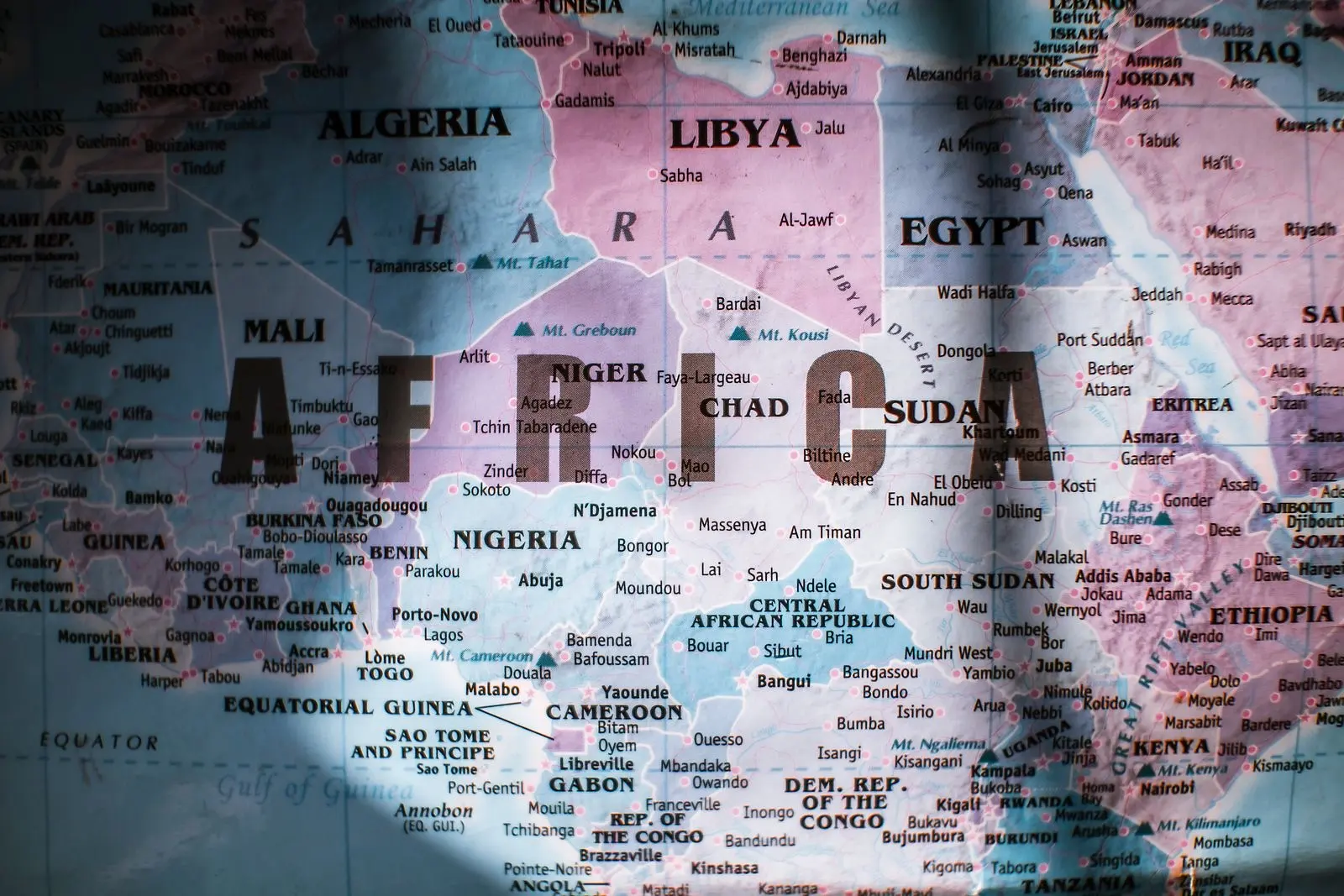
The United Nations M49 standard lists nine countries under “Middle Africa”: Angola, Cameroon, the Central African Republic, Chad, Congo, the Democratic Republic of the Congo (DRC), Equatorial Guinea, Gabon and São Tomé and Príncipe. The Economic Community of Central African States (ECCAS) adds two members, Burundi and Rwanda, which the UN places in East Africa.
This difference in scope matters. Of the nine countries on the UN list, none has adopted a legal framework for cannabis. Within ECCAS, Rwanda is the exception, for medical use only. This overview rests on the published texts we could consult as of 23 September 2026: for a specific trip or project, only the country's embassy is authoritative.
| Country | Framework in September 2026 | Recent change |
|---|---|---|
| Cameroon | Cultivation banned, use punished (1997 law) | None |
| DRC | General ban (2003 law), exception under licence for medicine and research | Ministerial announcement, August 2026 |
| Angola, CAR, Congo, Gabon, Equatorial Guinea, São Tomé and Príncipe, Chad | Cannabis classified as a narcotic | No published reform |
| Rwanda (ECCAS, not on the UN list) | Licensed medical and research framework since 2021 | Recreational use still banned |
A ban anchored in the UN conventions
Cannabis sits in Schedule I of the 1961 Single Convention on Narcotic Drugs, which imposes the highest level of control. On 2 December 2020, the UN Commission on Narcotic Drugs removed it from Schedule IV by 27 votes to 25, where it had sat for 59 years alongside heroin. The vote legalised nothing: cannabis stays in Schedule I, and its non-medical use remains prohibited under the conventions.
Central African laws follow the same logic. They do not separate low-THC hemp from psychoactive cannabis, and they set no threshold comparable to France's 0.30%. Without a threshold, a CBD product has no category of its own: it counts as cannabis.
Cameroon: what the 1997 law says
Cameroon is the only country in the region whose criminal text we could read in full. Law No. 97/019 of 7 August 1997 on narcotics control states the principle in its article 8: the cultivation of the opium poppy, the coca bush and the cannabis plant is prohibited on national territory. Landowners must destroy any such plants growing on their land.
Article 102 sets the penalties for a small quantity held for personal use. The text names cannabis oil explicitly, with no condition on potency:
| Product held for personal use | Prison | Fine |
|---|---|---|
| “High-risk” drug, including cannabis oil | 2 months to 1 year | 25,000 to 1,250,000 CFA francs |
| Other derivative of the cannabis plant | 1 to 6 months | 25,000 to 500,000 CFA francs |
Cultivating or processing high-risk drugs, beyond personal use, carries 10 to 20 years in prison (article 91). A CBD oil has no separate status in this text: a check may treat it as cannabis oil.
DRC: an announcement in 2026, not a reform
In the DRC, Law No. 004/2003 of 13 March 2003 bans the production, possession and sale of cannabis. According to the agriculture minister's office, it reserves an exception for medical and scientific uses, subject to state authorisation. In August 2026, during a visit to North Kivu, the agriculture minister announced plans to promote cannabis cultivation for medical purposes, according to the Congolese daily La Prospérité.
Members of parliament have challenged the initiative, citing security in the conflict-hit provinces. At the time of writing, no new law has been passed. Nothing changes for individuals: possessing cannabis or a derivative remains an offence in the DRC.
Rwanda: the only ECCAS member with a medical framework
On 28 June 2021 Rwanda published a ministerial order on cannabis and cannabis products. It allows licensed cultivation, processing, import and export for medical and research purposes. Medical use requires a prescription from a specialist doctor. Recreational use remains excluded, and the order creates no “wellness hemp” category comparable to the CBD sold in France.
What has changed elsewhere in Africa
The contrast with other parts of the continent is sharp. Morocco legalised medical, cosmetic and industrial uses of cannabis in 2021, under licence from a national agency: our article on law 13-21 and ANRAC explains the system. South Africa enacted a law on the private use of cannabis by adults on 28 May 2024. Neighbouring East African countries have taken other routes, covered in our overview of East Africa.
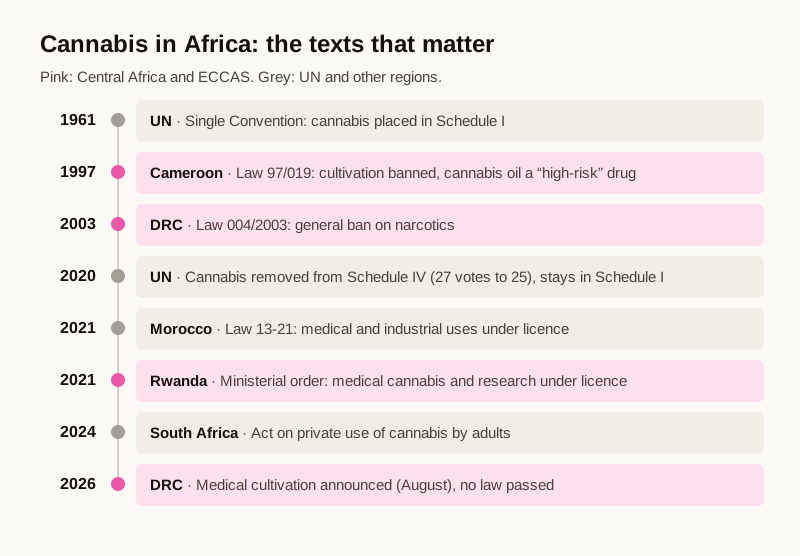
These reforms share one feature: each goes through a law or regulation that creates licences and controls. In Central Africa, no such text has been published. Our comparison of three legal models worldwide sets these choices against those of Europe and the Americas.
Travelling to Central Africa with CBD
In France, CBD is sold legally because the decree of 30 December 2021 allows hemp varieties and products containing no more than 0.30% Δ⁹-THC. In the Kanavape case of 19 November 2020, the EU Court of Justice also ruled that a member state cannot ban CBD lawfully produced in another member state. These rules apply within the European Union. They do not protect a traveller in Cameroon, Gabon or the DRC.
The practical rule is simple: do not carry CBD flowers, resin or oil to these countries, even with a certificate of analysis. The 0.30% threshold does not exist in their law, and Cameroon's law targets cannabis oil without mentioning potency. Our guide to flying with CBD covers checks when leaving France, and our article on the 0.3% THC threshold explains what makes a product legal here.
Frequently asked questions
Is CBD legal in Cameroon?
No. Law No. 97/019 bans cultivation of the cannabis plant and punishes possession of its derivatives, including cannabis oil, with no exception based on THC content. A CBD product has no status of its own there.
Does any Central African country allow medical cannabis?
Among the nine countries on the UN list, none has a working medical supply chain. In the DRC, a ministerial announcement in August 2026 aims to create medical cultivation, with no law passed so far. Rwanda, an ECCAS member, has regulated medical cannabis since 2021.
Can I take CBD oil bought in France to Libreville or Douala?
We strongly advise against it. A product's legality in France does not carry over abroad, and none of these countries sets a THC threshold for hemp. Check with the country's embassy before you travel.
Did the 2020 UN vote legalise cannabis?
No. The Commission on Narcotic Drugs removed cannabis from Schedule IV of the 1961 convention, but it stays in Schedule I. Its non-medical use remains prohibited under international conventions.
Written by the Phytogrammes team
Every article in this journal draws on primary sources (ANSM, EFSA, EUR-Lex, peer-reviewed publications) and on the lab's own practice: batch-by-batch HPLC analyses, measured cannabinoid profiles. Our approach.
Article published on . CBD is not a medicine.